
HEADLINE
Gas-Laden Tanker Catches Fire in Ikotun, Lagos, Sparking Fresh Safety Concerns
OPENING HOOK
For millions of Nigerians navigating daily commutes, the sight of a heavy-duty fuel or gas truck sharing congested roads is an unnerving reminder of how close disaster can be.
WHAT HAPPENED
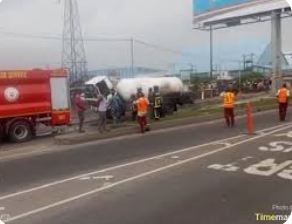
A gas-laden tanker caught fire in the bustling Ikotun area of Lagos State, causing immediate panic among residents and traders before emergency responders swiftly brought the blaze under control.
WHO ARE THE KEY PLAYERS
The incident brought out local emergency management agencies and fire service personnel in Lagos, who work round the clock to protect citizens from industrial and vehicular hazards.
UNDERSTANDING THE LOCATION
Ikotun is a densely populated residential and commercial suburb located in Alimosho, the largest local government area in Lagos State, situated in the South-West geopolitical zone of Nigeria.
BACKGROUND AND CONTEXT
Gas and fuel tanker accidents are a persistent hazard across Nigerian highways and urban centers due to aging vehicular fleets, bad roads, and lax safety enforcement by regulatory bodies.
EXPLAINING IMPORTANT REFERENCES
In local parlance, a 'tanker' refers to massive articulated trucks used for bulk transportation of petroleum products or compressed gas, which require stringent safety protocols to prevent catastrophic explosions.
IMPACT ANALYSIS
While quick intervention prevented loss of life and property damage this time, such incidents severely disrupt local transport networks and trigger anxiety over domestic gas safety regulations.
WHAT HAPPENS NEXT
Authorities are expected to conduct a routine safety investigation into the cause of the fire, while civil groups continue to push for stricter daytime movement restrictions for heavy-duty gas trucks.
HERO PERSPECTIVE
Leverage On Heroes Media takes a safety-first editorial angle, celebrating the swift bravery of local emergency responders while demanding tighter accountability from transport operators.
CLOSING
As urban centers continue to expand, ensuring the safety of hazardous cargo transit remains a critical test for both state regulators and transport unions across Nigeria.