
HEADLINE
Midnight Attack: Eight Killed in Plateau Community by Suspected Bandits, Raising Security Concerns
OPENING HOOK
In the quiet hours of Sunday morning, a wave of terror swept through Kum community in Riyom Local Government Area of Plateau State, resulting in the tragic loss of eight lives. This devastating incident underscores the escalating security challenges facing rural communities across Nigeria's volatile Middle Belt.
WHAT HAPPENED
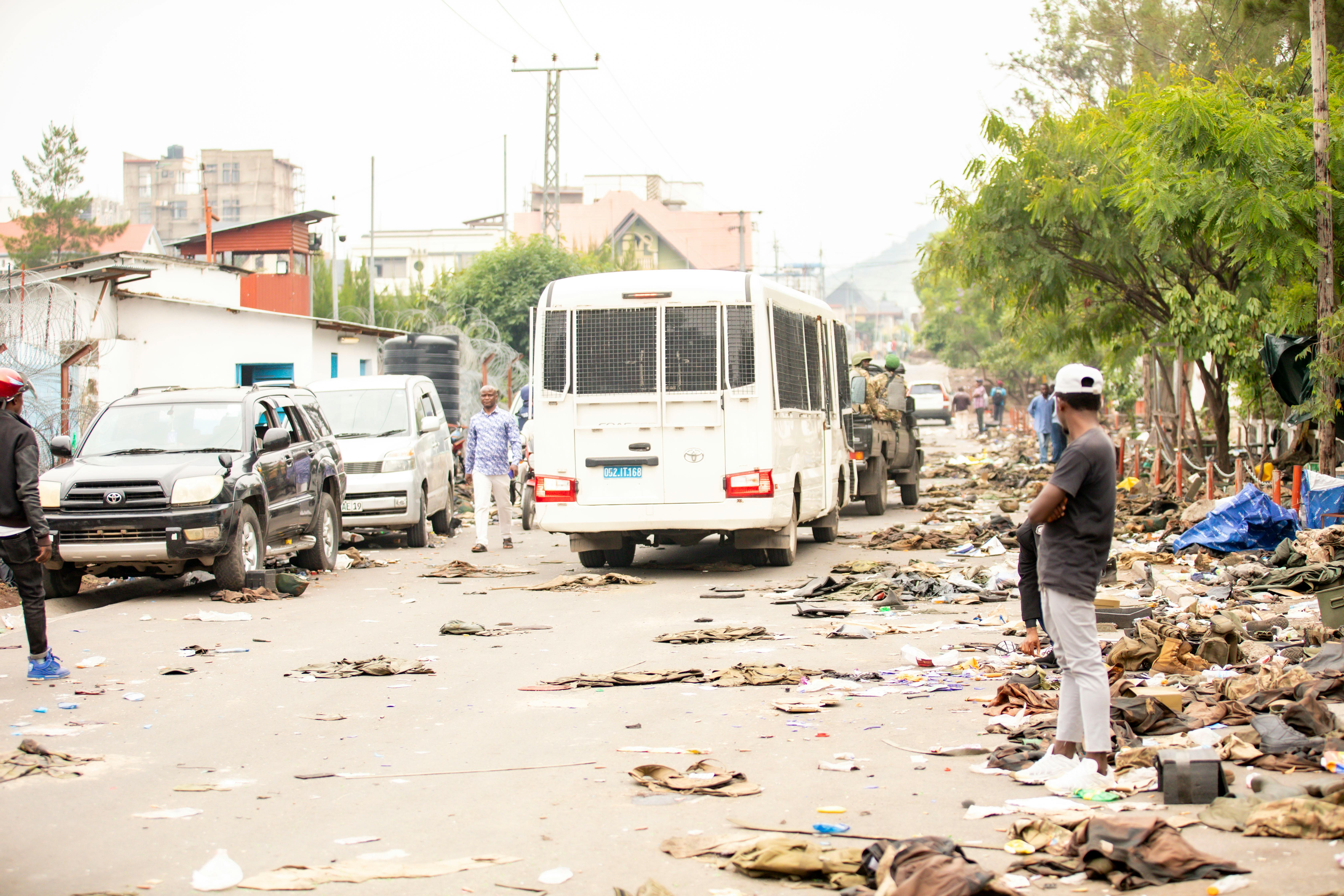
Eight individuals were killed and another sustained gunshot wounds following an attack by suspected Fulani bandits on Kum community in Riyom Local Government Area of Plateau State. The assailants reportedly stormed the community around 12:30 AM, opening fire on unsuspecting residents before retreating. Troops from Sector 6, operating under the umbrella of Operation Enduring Peace, were dispatched to the scene after receiving a distress call from the beleaguered community.
WHO ARE THE KEY PLAYERS
**Suspected Fulani Bandits:** This term refers to armed groups, often associated with cattle herding communities, who engage in various forms of criminality including cattle rustling, kidnapping, and violent attacks on farming communities. Their activities are a major source of conflict and insecurity, particularly in Nigeria's North-Central region, often exacerbating long-standing farmer-herder tensions.
**Kum Community Residents:** These are the inhabitants of the small, agrarian community in Riyom LGA, who bore the brunt of this violent assault. They represent countless rural Nigerians who live under constant threat of such attacks.
**Zagazola Makama:** A prominent counter-insurgency and security analyst known for his detailed reports and insights into security developments, particularly in the Lake Chad region and other conflict-prone areas of Northern Nigeria. His reports often provide crucial initial information on incidents like this.
**Troops of Sector 6, Operation Enduring Peace:** These are military personnel deployed as part of a broader security initiative by the Nigerian Armed Forces. Their role is to respond to security threats, maintain peace, and protect lives and property in designated operational areas.
UNDERSTANDING THE LOCATION
Kum community is situated within **Riyom Local Government Area (LGA)**, one of the seventeen LGAs in **Plateau State**. Plateau State is located in Nigeria's North-Central geopolitical zone, often referred to as the Middle Belt. This region is a melting pot of diverse ethnic and religious groups and has historically been a flashpoint for farmer-herder clashes, land disputes, and ethno-religious conflicts. Riyom, like many LGAs in Plateau, is predominantly agrarian, making its communities particularly vulnerable to attacks that disrupt farming activities and displace populations.
BACKGROUND AND CONTEXT
Plateau State has a long and tragic history of inter-communal violence, primarily between predominantly Christian farming communities and mostly Muslim Fulani pastoralists. These conflicts often stem from disputes over land, grazing routes, water resources, and cattle rustling, but they frequently escalate into ethno-religious dimensions. Over the past decades, thousands have lost their lives, and countless others have been displaced. Despite numerous peace initiatives and military operations, a lasting solution remains elusive, with attacks like the one in Kum serving as painful reminders of the ongoing crisis. The cycle of violence has severely impacted agricultural productivity, local economies, and the social fabric of affected areas.
EXPLAINING IMPORTANT REFERENCES
**Operation Enduring Peace:** This is a comprehensive military operation launched by the Nigerian Armed Forces to address various forms of insecurity across the country, including banditry, kidnapping, and other criminal activities, particularly in the North-Central and North-West regions. It involves deploying troops, intelligence gathering, and coordinated efforts with other security agencies to restore law and order and protect vulnerable populations. The operation aims to create a secure environment for economic activities and daily life.
IMPACT ANALYSIS
The immediate impact of the Kum community attack is the profound loss of life and the severe trauma inflicted upon survivors. Eight families are now grappling with unimaginable grief, and the injured individual faces a long road to recovery. Beyond the human cost, such incidents sow widespread fear and distrust among communities, often leading to displacement as residents flee their homes for safer areas. This displacement disrupts livelihoods, particularly farming, which is the mainstay of these communities, and exacerbates humanitarian crises. Economically, the attacks deter investment and stifle development, further impoverishing an already struggling region. Politically, they put immense pressure on both state and federal governments to demonstrate effective security responses and ensure the protection of citizens, a fundamental responsibility of the state. The persistent violence also risks further entrenching divisions and making reconciliation efforts more challenging.
WHAT HAPPENS NEXT
Following the attack, a multi-pronged response is expected. Security agencies, including the troops of Operation Enduring Peace, will likely intensify patrols and intelligence gathering in Riyom LGA to track down the perpetrators. Investigations will commence to identify those responsible and bring them to justice. There will likely be renewed calls from community leaders, civil society organizations, and concerned citizens for improved security infrastructure, better intelligence, and a more decisive government approach to ending the cycle of violence in Plateau State. The state government, under Governor Caleb Mutfwang, will face increased pressure to provide succour to the victims and their families, and to implement long-term strategies for peacebuilding and conflict resolution. Without decisive action, the threat of reprisal attacks or further incidents looms large over the region.
HERO PERSPECTIVE
Leverage On Heroes Media views the tragic events in Kum community as a stark reminder of the urgent need for comprehensive and sustainable security solutions in Nigeria's Middle Belt. Our editorial stance emphasizes that the primary duty of any government is the protection of its citizens. We call for greater accountability from security agencies, improved intelligence sharing, and a renewed commitment to addressing the root causes of these conflicts, including land disputes and socio-economic grievances. It is imperative that the voices of the vulnerable are heard, and that justice is not only served for the victims of these heinous acts but also seen to be served, fostering trust and laying the groundwork for lasting peace and reconciliation.
CLOSING
The enduring cycle of violence in Plateau State, tragically highlighted by the Kum massacre, demands more than just condemnations and temporary security operations. It requires a sustained, multi-faceted approach that combines robust law enforcement with genuine efforts at community dialogue, justice, and equitable resource management. Only then can communities like Kum truly begin to heal and thrive, free from the shadow of fear.