
HEADLINE
Nigerian Army Recovers Stolen Livestock, Rescues Kidnapped Victims in Katsina Amidst Ongoing Security Operations
OPENING HOOK
The relentless struggle against banditry and kidnapping in Nigeria's North-West continues, with security forces recording a crucial success in Katsina State. This operation underscores the persistent challenges faced by local communities and the unwavering commitment of the military to restore peace and stability.
WHAT HAPPENED
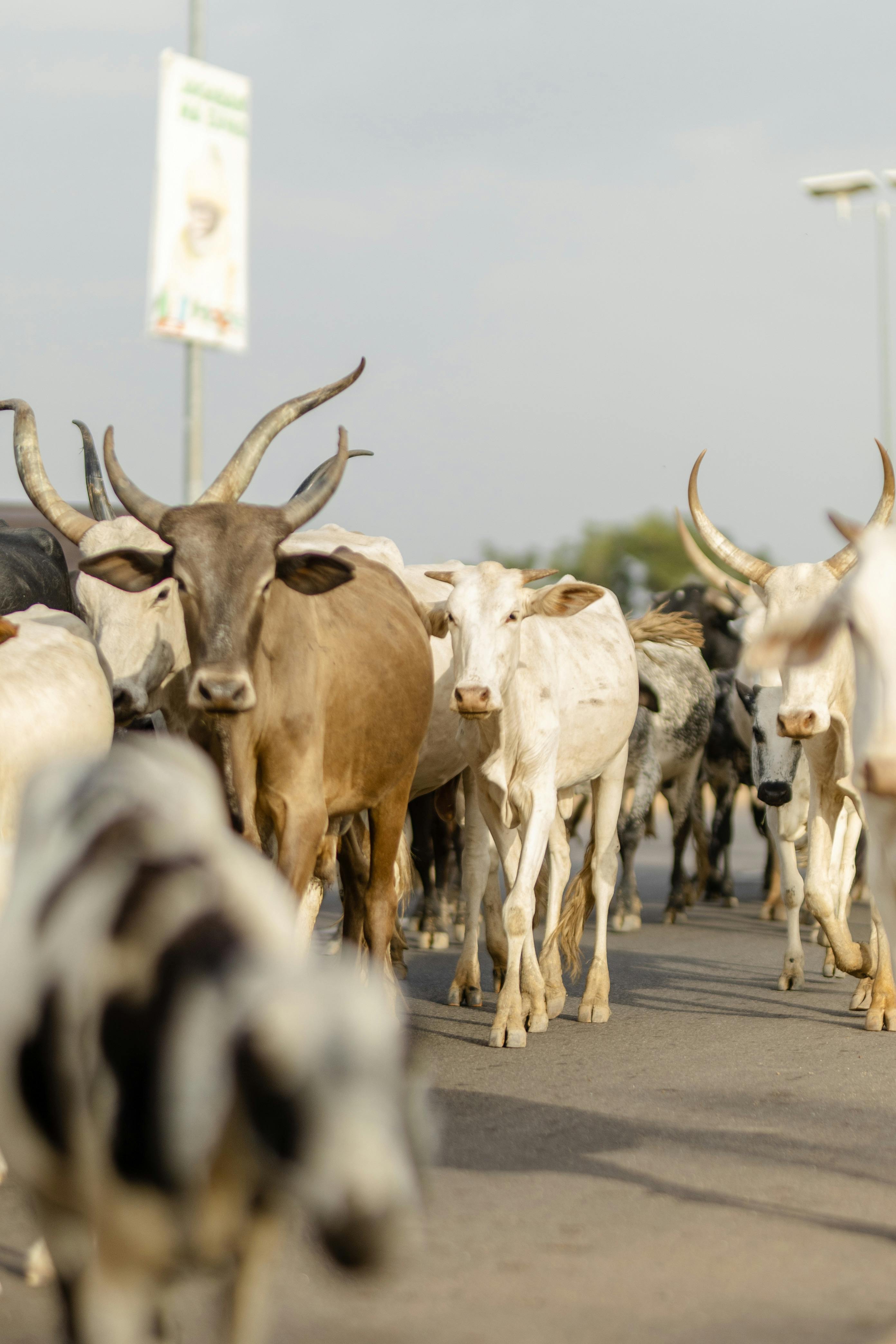
Nigerian Army troops operating within Katsina State recently achieved a significant breakthrough, recovering 56 head of rustled livestock, successfully rescuing nine individuals who had been kidnapped, and arresting one suspected terrorist. These operations are part of a broader military campaign aimed at curbing the activities of armed criminal groups that have plagued the region, disrupting livelihoods and instilling fear in residents.
WHO ARE THE KEY PLAYERS
The primary actor in this report is the **Nigerian Army**, the land warfare branch of the Nigerian Armed Forces, constitutionally mandated to defend the territorial integrity of Nigeria and aid civil authorities in maintaining law and order. The **alleged rustlers and suspected terrorist** represent the non-state armed groups responsible for perpetrating crimes such as cattle rustling and kidnapping. The **local communities and herders** in Katsina State are the primary victims of these criminal activities, suffering economic losses and personal trauma.
UNDERSTANDING THE LOCATION
**Katsina State** is located in the North-West geopolitical zone of Nigeria. It is primarily an agricultural state, known for its vast farmlands and livestock rearing, particularly cattle. The state shares a border with the Niger Republic to the north, a factor that often complicates security operations as criminal elements exploit porous borders. In recent years, Katsina, like many other states in the North-West, has been grappling with severe insecurity, including banditry, cattle rustling, and mass abductions, which have displaced thousands and crippled economic activities.
BACKGROUND AND CONTEXT
The North-West geopolitical zone of Nigeria has, for several years, been a hotbed of insecurity, characterized by well-armed criminal gangs often referred to as 'bandits' or 'terrorists'. These groups engage in widespread cattle rustling – the stealing of livestock, which is a primary source of livelihood for many in the region – and large-scale kidnapping for ransom. The proliferation of small arms, the vast ungoverned spaces, and socio-economic factors like poverty and unemployment are often cited as underlying drivers of this crisis. The Nigerian government, under President Bola Ahmed Tinubu, has intensified military operations and intelligence gathering to confront these threats, deploying various strategies to protect communities and restore normalcy.
EXPLAINING IMPORTANT REFERENCES
**Rustled livestock** refers to animals, typically cattle, goats, or sheep, that have been stolen by armed groups. This act is a severe economic blow to pastoralist communities whose livelihoods depend entirely on their herds. A **suspected terrorist** in the Nigerian context often refers to individuals involved in organized violent crime against the state or civilians, including banditry, kidnapping, and insurgency. While 'bandit' is a common term for these criminal groups in the North-West, the government sometimes uses 'terrorist' to emphasize the organized and destructive nature of their activities. The **Nigerian Army** is the backbone of Nigeria's conventional defense and internal security architecture, playing a crucial role in anti-terrorism and anti-banditry operations across the country.
IMPACT ANALYSIS
This successful operation by the Nigerian Army carries significant implications. For the affected communities, the recovery of livestock means a partial restoration of their economic base, while the rescue of kidnapped victims brings immense relief to their families. Such successes can also boost public confidence in the security forces, which is vital for intelligence sharing and community cooperation. However, the continued occurrence of such incidents underscores the persistent nature of the security challenges. The economic cost of banditry, including disrupted farming seasons and trade, remains substantial, impacting food security and regional development. The operations also put immense pressure on the Nigerian Army, which is often stretched thin across multiple internal security fronts.
WHAT HAPPENS NEXT
Following these recoveries and arrests, investigations will likely commence to gather intelligence on the broader networks of these criminal gangs. The arrested suspect will face legal prosecution, and efforts will be made to reunite the rescued victims with their families. The Nigerian Army is expected to continue its intensified operations in Katsina and other affected states, employing a combination of ground patrols, air surveillance, and intelligence-led raids. There will also be an ongoing focus on community engagement and civil-military cooperation to foster trust and gather actionable intelligence from local populations, which is crucial for sustainable peace.
HERO PERSPECTIVE
Leverage On Heroes Media views this development in Katsina as a testament to the resilience of the Nigerian spirit and the tireless efforts of our security forces. While the challenges of insecurity remain formidable, every recovered animal, every rescued life, and every apprehended criminal represents a step forward in the collective fight for peace. Our editorial angle emphasizes the unwavering commitment required from all stakeholders – government, security agencies, and citizens – to support and strengthen these efforts, ensuring that the sacrifices of our heroes in uniform are not in vain and that our communities can thrive free from fear.
CLOSING
The recent successes in Katsina State offer a glimpse of hope amidst the pervasive insecurity in Nigeria's North-West. They highlight the ongoing struggle and the imperative for a comprehensive, multi-faceted approach that combines robust military action with socio-economic interventions and community-led solutions to ultimately dismantle the networks of crime and restore lasting peace.