
HEADLINE
Nigerian Entrepreneur Weaves Scottish Tartan with Aso-Oke in Pioneering Cultural Fashion Project
OPENING HOOK
In an increasingly interconnected world, the power of culture to bridge divides and foster understanding is more crucial than ever. A groundbreaking initiative by a Nigerian entrepreneur is set to demonstrate this, intertwining the vibrant threads of Nigeria's heritage with the storied patterns of Scotland.
WHAT HAPPENED
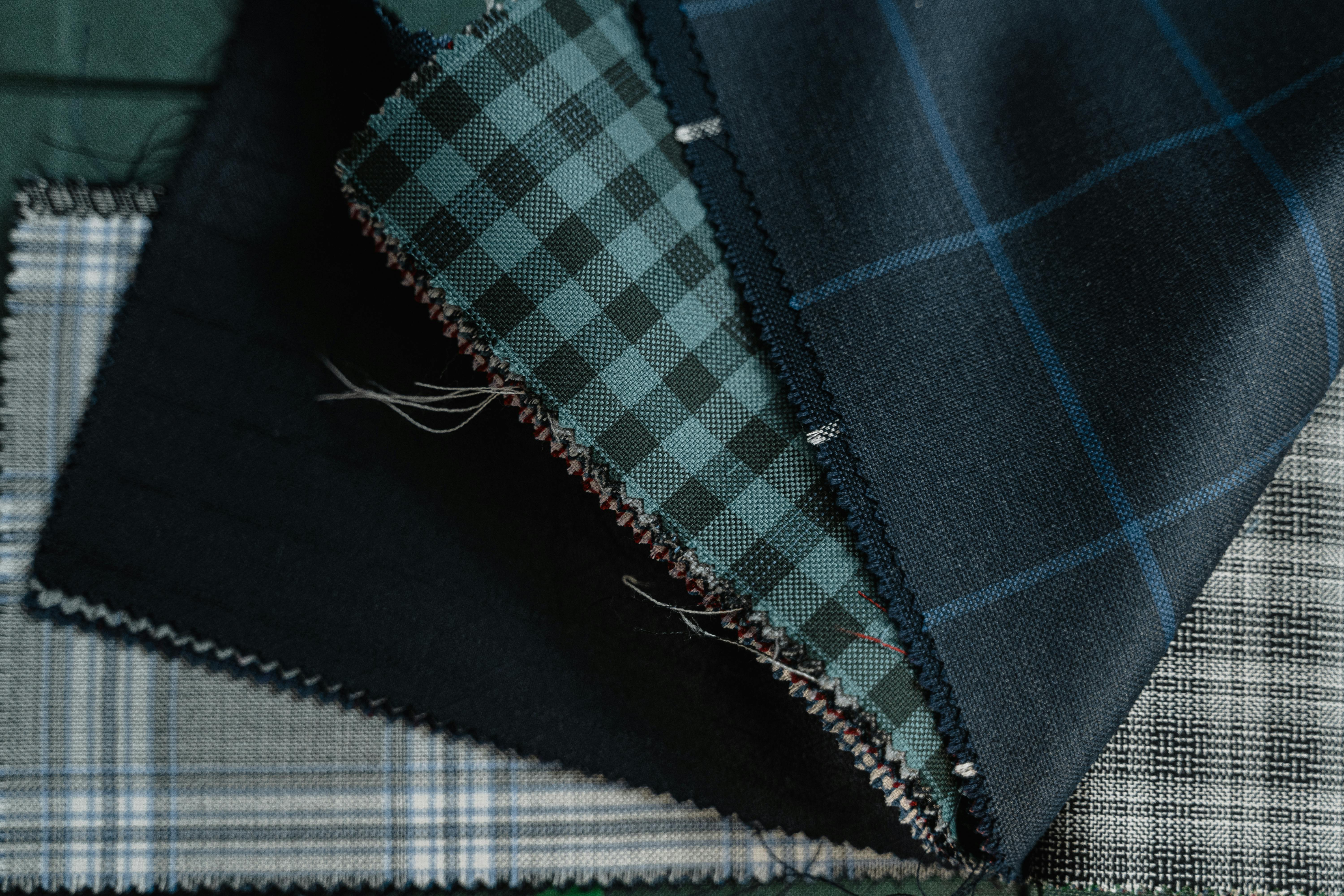
Nigerian designer Tobilola Tonueyi has launched a new project aimed at exploring the rich cultural heritage of both Nigerian aso-oke and Scottish tartan. This innovative venture seeks to blend these distinct fabrics into contemporary fashion, fostering a unique cultural exchange and showcasing the artistic depth of both traditions on a global stage.
WHO ARE THE KEY PLAYERS
**Tobilola Tonueyi:** The visionary Nigerian entrepreneur and designer spearheading this cultural fashion project. Her initiative highlights a growing trend among African creatives to leverage indigenous resources and narratives for global appeal, while promoting cross-cultural understanding.
UNDERSTANDING THE LOCATION
This project originates from **Nigeria**, a West African nation celebrated for its diverse cultures, vibrant arts, and a burgeoning fashion industry. The focus on **aso-oke** specifically points to the rich cultural tapestry of the Yoruba people, primarily found in the South-West geopolitical zone of Nigeria, known for their elaborate weaving traditions.
On the other side of this cultural bridge is **Scotland**, a constituent country of the United Kingdom, renowned for its distinctive landscapes, ancient history, and iconic **tartan** fabric, deeply embedded in its national identity and clan heritage.
BACKGROUND AND CONTEXT
Nigeria boasts a long and proud history of textile production, with aso-oke being a prime example of its intricate craftsmanship. Historically, aso-oke has been much more than just fabric; it's a symbol of status, celebration, and identity, traditionally worn during significant ceremonies like weddings, coronations, and festivals. Each pattern and colour often conveys specific meanings or identifies a particular family or community.
Similarly, Scottish tartan holds profound historical and cultural significance. Originating from the Highlands, tartan patterns were historically associated with specific clans, families, or regions, serving as a visual identifier. Today, while still deeply rooted in tradition, tartan has evolved into a global fashion statement, often seen in high fashion and everyday wear, representing Scottish heritage worldwide.
This project comes at a time when global fashion is increasingly looking towards sustainable, culturally rich, and ethically sourced materials. The blending of these two distinct fabrics represents a contemporary approach to design that respects tradition while pushing creative boundaries.
EXPLAINING IMPORTANT REFERENCES
**Aso-oke:** This term, meaning 'top cloth' in the Yoruba language, refers to a hand-woven fabric created by the Yoruba people of Nigeria. It is typically woven in strips on a narrow loom and then sewn together to make larger garments. Aso-oke is known for its intricate patterns, vibrant colours, and durability, and is a staple for special occasions, reflecting the wearer's cultural pride and social standing.
**Tartan:** A patterned cloth consisting of criss-crossed horizontal and vertical bands in multiple colours. Originally made of woven wool, tartan is synonymous with Scotland and its culture, most famously used for kilts and other traditional garments. Historically, specific tartan patterns were, and in some cases still are, associated with particular Scottish clans, families, or institutions, serving as a visual representation of their heritage.
IMPACT ANALYSIS
This initiative by Tobilola Tonueyi carries several significant implications. Firstly, it serves as a powerful conduit for **cultural diplomacy**, fostering greater understanding and appreciation between Nigeria and Scotland through the universal language of fashion. By showcasing the beauty and complexity of both aso-oke and tartan, the project can break down cultural barriers and promote cross-cultural dialogue.
Economically, it presents new opportunities for **artisans and weavers** in both regions. For Nigerian aso-oke weavers, it could open new international markets and create demand for their traditional craft, potentially leading to increased income and preservation of artisanal skills. Similarly, Scottish textile producers could see new avenues for collaboration and innovation.
In the realm of fashion, this fusion project could inspire a new trend of **cultural appropriation done right** – where designers respectfully collaborate with and draw inspiration from diverse cultures, ensuring proper representation and equitable benefit sharing. It elevates indigenous craftsmanship onto the global fashion stage, challenging conventional narratives and promoting diversity in design.
WHAT HAPPENS NEXT
Looking ahead, the success of Tobilola Tonueyi's project could pave the way for numerous future developments. We might see collaborations with international fashion houses, leading to collections showcased at global fashion weeks in cities like Paris, Milan, or New York. There is potential for educational exchanges, where Nigerian and Scottish artisans share weaving techniques and design philosophies.
Furthermore, this initiative could inspire other Nigerian designers to explore similar cross-cultural fusions, leveraging Nigeria's vast array of traditional textiles and crafts. It could also lead to increased tourism interest in both Nigeria and Scotland, as people seek to learn more about the origins of these beautiful fabrics. The project’s impact could extend beyond fashion, influencing art, design, and even trade relations between the two nations.
HERO PERSPECTIVE
Leverage On Heroes Media sees this cultural fusion project as a beacon of innovation and global unity. It embodies the 'Hero Perspective' by celebrating the power of creativity to bridge diverse cultures, empower local artisans, and project Nigeria's rich heritage onto the world stage. This initiative is not just about fashion; it's about fostering respect, understanding, and economic opportunity through artistic collaboration. It showcases how entrepreneurial spirit, rooted in cultural pride, can create positive ripple effects far beyond the runway, inspiring a new generation of global citizens.
CLOSING
The merging of Nigerian aso-oke and Scottish tartan is more than a fashion statement; it is a testament to the enduring power of culture to connect people across continents. As Tobilola Tonueyi's project unfolds, it promises to weave a new narrative of collaboration, respect, and shared heritage, reminding us that true innovation often lies at the intersection of diverse traditions.