
HEADLINE
Russian Strikes Claim Five Lives in Ukraine Amidst Escalating Attacks on Oil Infrastructure
OPENING HOOK
The relentless conflict between Russia and Ukraine continues to exact a heavy toll on civilian lives, with recent Russian attacks resulting in multiple fatalities. This grim development unfolds as Ukraine maintains its strategic focus on disrupting Russia's critical oil infrastructure, signaling a dangerous intensification of the hostilities.
WHAT HAPPENED
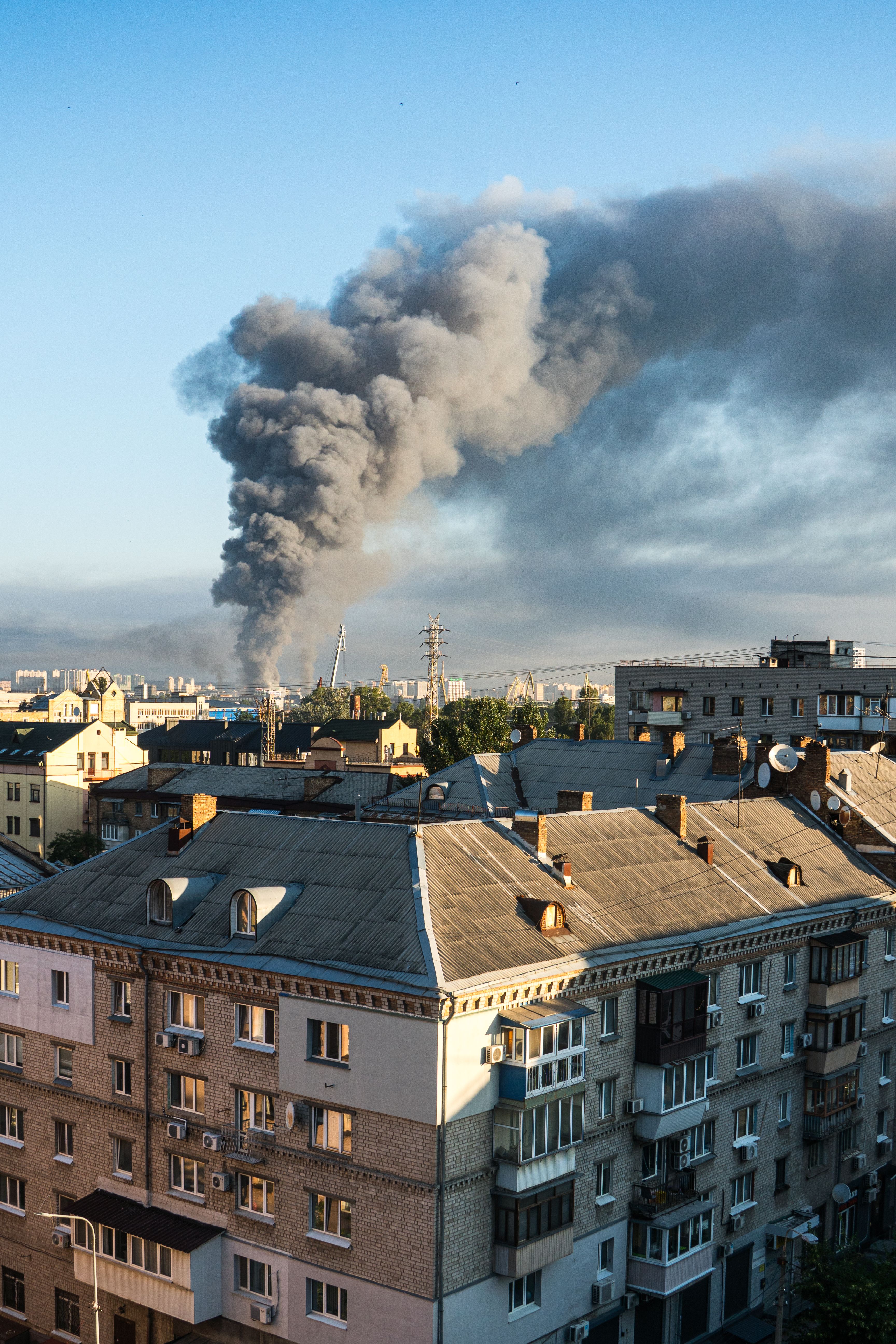
Tragic incidents have unfolded in Ukraine, where Russian forces launched attacks that killed five civilians. Ukrainian officials reported that four individuals lost their lives in a strike on the city of Kramatorsk, located in the Donetsk region. Separately, another attack on Zaporizhzhia claimed the life of one person. These deadly assaults occurred concurrently with Ukraine's ongoing strategy to target and damage Russia's essential oil processing and storage facilities, a move aimed at disrupting the economic backbone supporting Moscow's military operations.
WHO ARE THE KEY PLAYERS
The primary actors in this ongoing conflict are **Russia**, led by its government and military forces, which initiated the full-scale invasion of Ukraine. On the other side is **Ukraine**, represented by its government, military, and various local and regional **Ukrainian officials** who are often the first to report on the ground impact of attacks. These officials provide vital information regarding casualties and damage. The international community, including global organizations and allied nations, also plays a role through diplomatic efforts, sanctions, and military aid, though not directly involved in these specific incidents.
UNDERSTANDING THE LOCATION
**Kramatorsk** is a significant city in the Donetsk Oblast (region) of eastern Ukraine. Historically an industrial hub, it has served as a key administrative and military center for Ukraine in the Donbas region since 2014, making it a frequent target in the conflict. Its strategic location in eastern Ukraine means it is often on the front lines or close to intense fighting. **Zaporizhzhia** is a large city situated in southern Ukraine, on the banks of the Dnieper River. It is a major industrial center, known for its heavy industry and the largest nuclear power plant in Europe, the Zaporizhzhia Nuclear Power Plant, which has been under Russian occupation since early in the invasion. The city itself remains under Ukrainian control but is regularly subjected to Russian shelling due to its proximity to the front lines and its strategic importance.
BACKGROUND AND CONTEXT
The current conflict escalated dramatically with Russia's full-scale invasion of Ukraine in February 2022. Since then, the war has seen extensive targeting of civilian areas and critical infrastructure by Russian forces, alongside Ukraine's efforts to defend its territory and inflict economic pain on Russia. Ukraine's strategy of targeting Russian oil infrastructure, often using drones, is a relatively recent but significant development. It aims to disrupt Russia's capacity to fund its war machine and supply its military with fuel, reflecting a shift towards deep strikes behind enemy lines. These attacks are a direct response to Russia's sustained aggression and its own targeting of Ukrainian energy infrastructure, particularly during the colder months.
EXPLAINING IMPORTANT REFERENCES
When we refer to **"oil infrastructure,"** this encompasses a range of facilities crucial for the processing, storage, and transportation of crude oil and refined petroleum products. This includes refineries, oil depots, pipelines, and terminals. For Russia, these facilities are vital for its economy, as oil and gas exports are a primary source of national revenue, and for its military, which relies heavily on petroleum for its vehicles and equipment. Disrupting this infrastructure aims to reduce Russia's financial resources and logistical capabilities. **"Ukrainian officials"** typically refers to spokespersons from local or regional administrations, emergency services, or the national government, who are responsible for communicating verified information about attacks, casualties, and damage to the public.
IMPACT ANALYSIS
The immediate and most devastating impact of these Russian attacks is the tragic loss of civilian lives and the injury of others. This perpetuates a cycle of fear and humanitarian crisis, forcing communities to live under constant threat. For the affected regions like Kramatorsk and Zaporizhzhia, such strikes severely disrupt daily life, damage homes, and strain emergency services. Psychologically, it deepens the trauma for residents already enduring prolonged conflict. On the other hand, Ukraine's continued targeting of Russian oil infrastructure, while aimed at weakening Russia's war effort, carries its own risks, potentially escalating the conflict further and inviting retaliatory strikes. Economically, these strikes could impact global energy markets, depending on their scale and frequency, though the immediate effect is primarily on Russia's domestic fuel supply and export capacity. For Ukraine, the sustained pressure on Russia's economy is a key part of its defensive strategy, but it comes at a significant human cost.
WHAT HAPPENS NEXT
Looking ahead, it is highly probable that both sides will continue their respective strategies. Russia is likely to persist with missile and drone attacks on Ukrainian cities and infrastructure, seeking to degrade Ukraine's ability to resist and to break civilian morale. Concurrently, Ukraine is expected to double down on its drone campaigns against Russian energy facilities, aiming to create significant economic and logistical challenges for Moscow. The international community will continue to monitor the situation, with calls for de-escalation and humanitarian aid likely to intensify. The human cost of this conflict is set to remain a central concern, as civilians in affected areas brace for further hostilities. Diplomatic efforts, though often stalled, will likely continue in the background, seeking a path towards a sustainable peace.
HERO PERSPECTIVE
At Leverage On Heroes Media, our editorial angle on this escalating conflict is to underscore the profound human cost of warfare. While geopolitical strategies and military objectives often dominate headlines, it is the lives of ordinary citizens – like those tragically lost in Kramatorsk and Zaporizhzhia – that bear the brunt of these decisions. Our perspective champions the need for accountability for attacks on civilians and highlights the urgent imperative for diplomatic solutions that prioritize human life and stability over prolonged conflict. We believe in shining a light on the resilience of communities enduring unimaginable hardship and advocating for a future where peace prevails.
CLOSING
The recent loss of life in Kramatorsk and Zaporizhzhia serves as a stark reminder of the devastating human toll of the ongoing conflict in Ukraine. As both sides intensify their military actions, the international community remains challenged to find a path towards a lasting peace, ensuring the protection of civilians and the cessation of hostilities.