HEADLINE
Akwa Ibom Floods: Governor Eno Urges Collective Action, Sympathises With Victims
OPENING HOOK
The persistent challenge of urban flooding in Nigeria once again cast a spotlight on Akwa Ibom State this past week, prompting its chief executive to address both immediate relief and long-term prevention. Governor Umo Eno has stepped forward, offering solace to those impacted by recent deluges while firmly placing a shared responsibility on citizens to mitigate future disasters.
WHAT HAPPENED
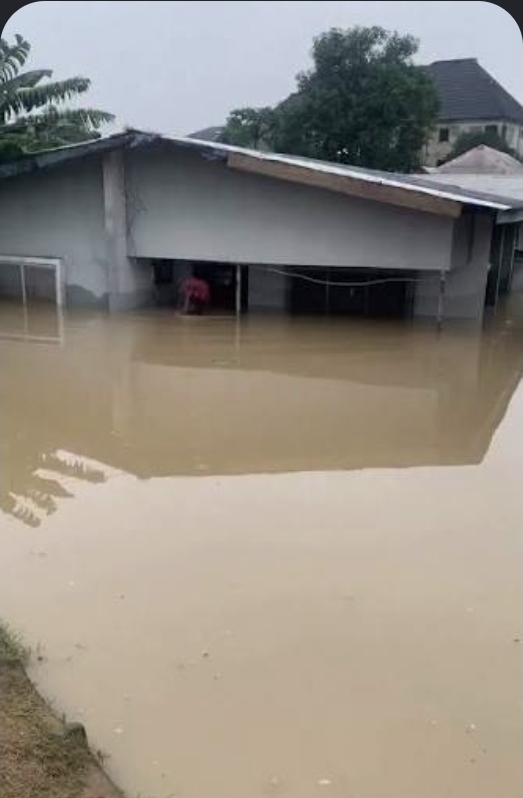
Following a period of heavy rainfall that triggered flash floods across parts of Akwa Ibom State, Governor Umo Eno expressed profound sympathy for the families and business owners whose properties and livelihoods were disrupted. Speaking upon his return to the Victor Attah International Airport from an official engagement, the Governor acknowledged the state government's role in disaster response but critically emphasized the indispensable role of residents in maintaining environmental hygiene, particularly by ensuring drainage channels remain free of waste.
WHO ARE THE KEY PLAYERS
**Governor Umo Eno:** The incumbent Governor of Akwa Ibom State, a state in Nigeria's South-South geopolitical zone. He assumed office in May 2023 and is responsible for the overall governance and welfare of the state's citizens, including disaster management and environmental policy. His statement reflects the state government's position on the recent floods.
**Akwa Ibom State Government:** The executive body responsible for administering the state, providing public services, and implementing policies. In the context of flooding, its responsibilities include infrastructure development (drainage systems), emergency response, and public awareness campaigns.
**Residents of Akwa Ibom State:** The citizens and inhabitants of the state who are directly affected by environmental conditions. Their actions, particularly regarding waste disposal and community sanitation, play a crucial role in either exacerbating or mitigating flood risks.
UNDERSTANDING THE LOCATION
**Akwa Ibom State:** Located in the South-South geopolitical zone of Nigeria, Akwa Ibom is a prominent oil-producing state known for its coastal areas and a largely urbanized capital, Uyo. Its proximity to the Atlantic Ocean and its high annual rainfall make it susceptible to flooding, especially during the rainy season. The state boasts significant infrastructure, including the **Victor Attah International Airport**, a key gateway connecting Akwa Ibom to other parts of Nigeria and beyond, facilitating travel for residents and officials like Governor Eno.
BACKGROUND AND CONTEXT
Flooding remains a perennial challenge across many Nigerian cities, particularly during the peak of the rainy season, typically between June and October. This recurring issue is often a confluence of factors: intense rainfall, inadequate or poorly maintained drainage infrastructure, indiscriminate waste disposal by residents, rapid urbanization leading to loss of natural floodplains, and the broader impacts of climate change. Historically, Nigerian governments at various levels have struggled with comprehensive and sustainable flood mitigation strategies, often resorting to reactive measures after disaster strikes. The call by Governor Eno for citizen participation echoes similar appeals made by leaders across the country, highlighting the shared responsibility in tackling this complex environmental problem.
EXPLAINING IMPORTANT REFERENCES
**Flash floods:** These are rapid-onset floods that occur within a few hours, or even minutes, of excessive rainfall. They are characterized by their sudden appearance and high intensity, often causing significant damage in a short period due to the overwhelming of natural and artificial drainage systems. Unlike riverine floods which develop slowly, flash floods are immediate and dangerous.
**Drainage channels:** These are engineered systems, typically trenches, pipes, or canals, designed to collect and convey excess surface water, especially rainwater, away from residential areas, roads, and agricultural lands. When these channels are blocked by refuse, silt, or overgrown vegetation, water cannot flow freely, leading to overflow and flooding.
**Official engagement:** This refers to a formal public appearance, meeting, or function that a public official, such as a state governor, attends as part of their duties. Governor Eno's return from such an engagement underscores his immediate attention to the state's pressing issues.
IMPACT ANALYSIS
The recent flash floods in Akwa Ibom have a multifaceted impact. Economically, businesses suffer losses from damaged goods, interrupted operations, and reduced patronage. Homes are damaged, leading to significant repair costs for families and, in some cases, temporary displacement. Socially, the floods disrupt daily life, affecting transportation, access to essential services, and potentially posing health risks from contaminated water. The Governor's statement attempts to strike a balance: acknowledging the government's duty to provide infrastructure and emergency response, while also stressing that sustainable flood management requires active citizen participation. This approach highlights the resource constraints and practical challenges governments face in solely tackling such widespread issues without community cooperation. The call for residents to clear drainages directly addresses a significant human-induced factor in urban flooding.
WHAT HAPPENS NEXT
In the immediate aftermath, the Akwa Ibom State Government is expected to continue its assessment of the damage and provide relief to the most affected communities, as resources permit. Looking ahead, the emphasis will likely be on a two-pronged approach: the government initiating or accelerating projects to improve drainage infrastructure and urban planning, and intensified public awareness campaigns. These campaigns would aim to educate residents on responsible waste disposal and the importance of community-led sanitation efforts. Enforcement of environmental laws against indiscriminate dumping might also be considered to deter future blockages. The success of these measures will largely depend on sustained commitment from both the authorities and the citizens.
HERO PERSPECTIVE
Leverage On Heroes Media believes that tackling Nigeria's perennial flood crisis requires a radical shift towards collective responsibility and proactive governance. While state governments, like Akwa Ibom's, bear the primary duty of providing robust infrastructure, the call for citizens to maintain their immediate environment is not just a plea but a critical component of a sustainable solution. True heroism in this context lies in the synergy between effective government planning and active, responsible citizenship. We must move beyond reactive sympathy to proactive, collaborative action, ensuring our communities are resilient against environmental challenges.
CLOSING
The recent floods in Akwa Ibom serve as a stark reminder that environmental challenges demand a unified front. Governor Eno's message underscores a fundamental truth: while leadership guides, true progress is achieved when every hand is on deck, working towards a safer and more sustainable future for all residents of Akwa Ibom State.