
HEADLINE
Ancient Bees Transformed Mammal Tooth Sockets into Ingenious Nurseries 20,000 Years Ago, Fossil Reveals
OPENING HOOK
In a testament to nature's boundless creativity and resilience, a recent fossil discovery has brought to light an astonishing survival strategy employed by ancient bees over 20 millennia ago. This find rewrites parts of what we understood about insect nesting habits and adaptation.
WHAT HAPPENED
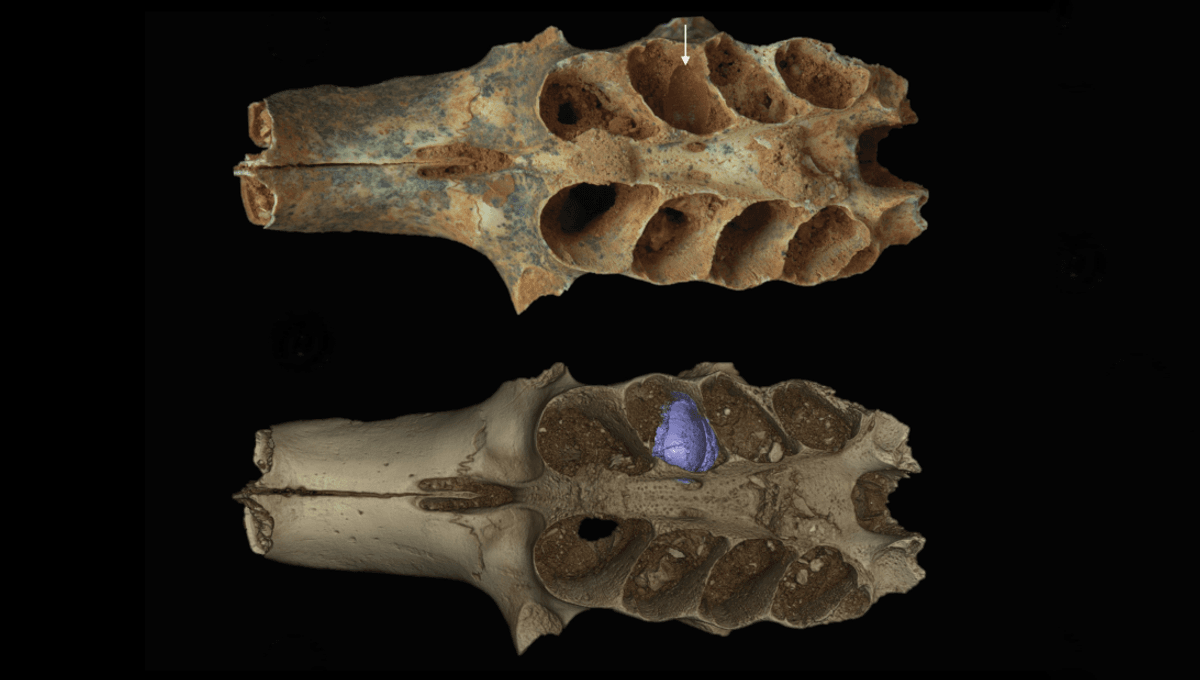
Archaeological scientists have uncovered compelling fossil evidence indicating that ancient bees, approximately 20,000 years ago, utilized the vacant tooth sockets of mammal bones as miniature nurseries for their offspring. These bones, believed to have been scattered across a cave floor by owls, provided an unexpected and secure haven for the bees. This discovery marks the first recorded instance globally of bees nesting inside animal bones, revealing an unprecedented level of resourcefulness in the insect kingdom.
WHO ARE THE KEY PLAYERS
The primary 'key players' in this fascinating narrative are the ancient bees themselves, whose species and exact lineage are now subjects of intense scientific study. The mammal bones, likely belonging to small rodents or similar creatures, served as the unwitting hosts. The owls, acting as natural dispersers of the bones across the cave environment, inadvertently set the stage for this unique ecological interaction. The modern-day key players are the paleontologists and archaeological researchers responsible for unearthing, analyzing, and interpreting these invaluable fossils, typically affiliated with universities or research institutions dedicated to uncovering Earth's ancient past.
UNDERSTANDING THE LOCATION
The discovery was made within a cave environment, a type of geological formation often rich in paleontological and archaeological treasures. Caves act as natural shelters, preserving organic remains from the elements and geological forces over vast spans of time. The specific cave location, while not disclosed in detail, would have offered a stable, protected microclimate ideal for the preservation of delicate insect nests within bone structures. Such sites are crucial for understanding prehistoric ecosystems and the behaviors of ancient life forms.
BACKGROUND AND CONTEXT
Twenty thousand years ago, the Earth was in the grip of the Last Glacial Maximum, a period characterized by extensive ice sheets and significantly colder global temperatures. This era presented immense environmental challenges, pushing species to develop innovative survival strategies. Bees, known for their elaborate social structures and nesting habits, typically construct nests in soil, wood cavities, or rock crevices. This new discovery challenges that conventional understanding, demonstrating an extraordinary adaptation to resource scarcity or specific environmental pressures of the time. It provides a rare glimpse into the complex interplay between different species in a prehistoric ecosystem, highlighting how even the smallest creatures found ways to thrive in harsh conditions.
EXPLAINING IMPORTANT REFERENCES
At the heart of this story are **fossils**, which are the preserved remains or traces of organisms from a remote geological past. They provide direct evidence of ancient life. **Paleontology** is the scientific study of these fossils to understand the history of life on Earth. The 'mammal bones' refer to the skeletal remains of animals belonging to the class Mammalia, which includes a vast range of creatures from tiny rodents to large herbivores. The 'tooth sockets' are the specific depressions or cavities in the jawbones where teeth are anchored. In this case, empty sockets provided perfectly sized, secure niches for the bees to lay their eggs and nurture their larvae, effectively turning a part of a dead animal into a living nursery.
IMPACT ANALYSIS
This discovery significantly expands our understanding of insect behavior, particularly the adaptability and resourcefulness of ancient bees. It suggests that prehistoric environmental pressures might have driven species to adopt highly unconventional survival tactics. For entomologists and paleontologists, this find provides a unique data point, challenging existing assumptions about nesting site preferences and potentially opening new avenues for research into ancient insect ecology. It underscores the incredible ingenuity inherent in nature and the surprising ways life finds to persist and propagate, even in the most unexpected of places. Furthermore, it highlights the importance of meticulous excavation and analysis, as such tiny, intricate details can reveal monumental insights into the past.
WHAT HAPPENS NEXT
Future research will likely focus on a deeper analysis of the fossilized bee remains to identify the specific species and its evolutionary relationship to modern bees. Scientists will also investigate the environmental conditions of the cave 20,000 years ago to understand what factors might have led to this unusual nesting behavior. Further excavations in similar geological contexts could uncover more instances of such unique adaptations, potentially revealing a broader pattern of resourcefulness among ancient insects. This discovery serves as a reminder that the natural world still holds countless secrets, waiting to be unearthed and understood.
HERO PERSPECTIVE
Leverage On Heroes Media sees this discovery as a powerful testament to the enduring spirit of innovation and adaptation inherent in all life forms. It reminds us that even in the face of daunting challenges, creativity and resourcefulness can forge new paths to survival. This ancient bee's story is a 'hero perspective' on how life, in its myriad forms, continually finds ingenious ways to not just exist, but to thrive against all odds, offering a timeless lesson in resilience for humanity.
CLOSING
The remarkable discovery of ancient bees transforming mammal tooth sockets into nurseries 20,000 years ago offers a profound insight into the extraordinary adaptability of life. It’s a compelling reminder that the natural world, even in its most ancient chapters, continues to surprise and inspire, pushing the boundaries of our understanding with every new fossil unearthed.