
HEADLINE
B.C. Wildfires Force Emergency Closure of Major Highways Linking Lower Mainland and Interior
OPENING HOOK
When fire moves faster than vehicles on a major expressway, communities are forced into an immediate race for survival. Recent wildfire outbreaks in western Canada have once again demonstrated how quickly natural disasters can paralyze national infrastructure and strand travellers.
WHAT HAPPENED
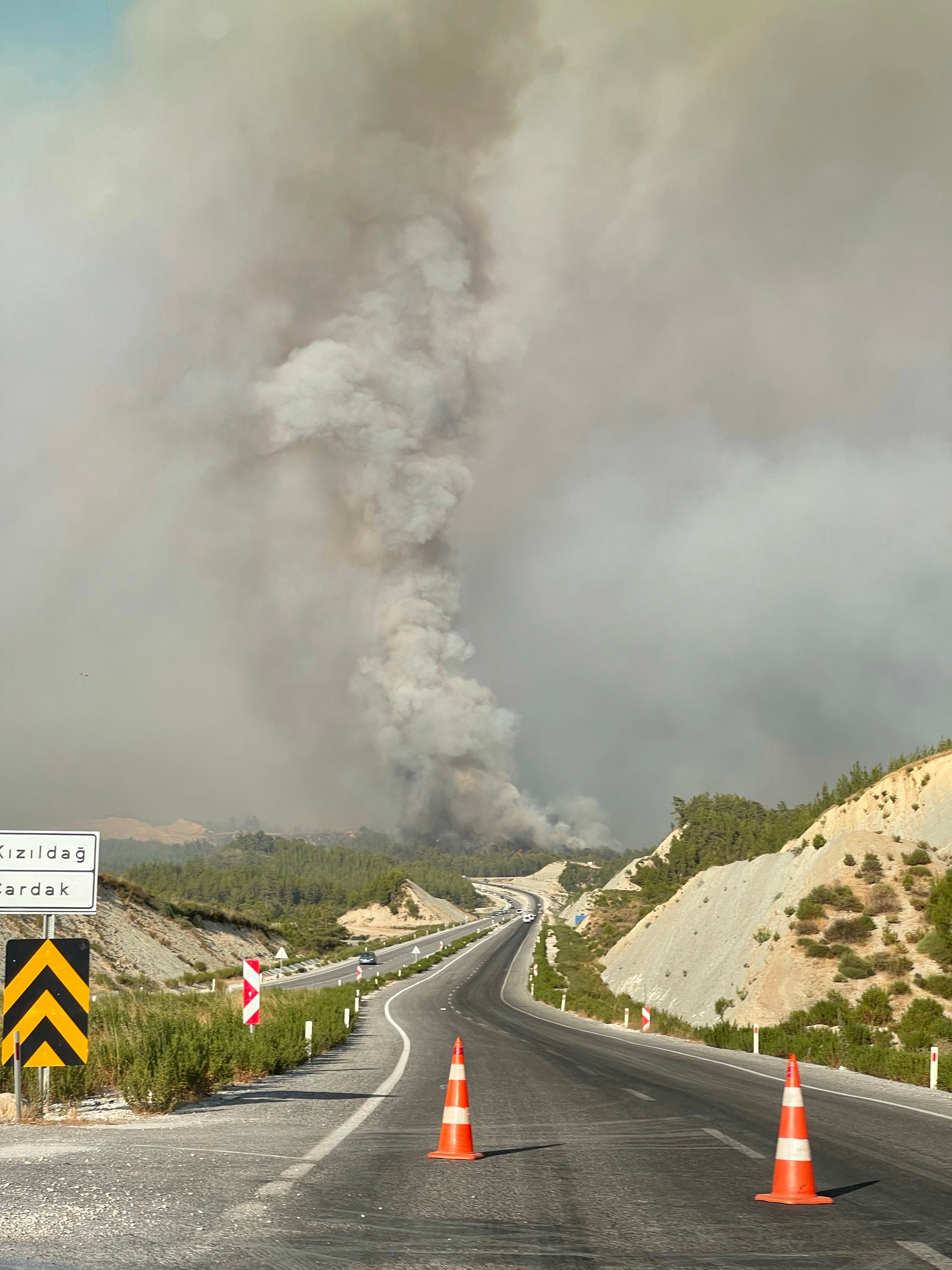
A new wildfire sparked suddenly on a Tuesday night just south of Boston Bar, immediately escalating into a major threat that forced the total closure of Highway 1. Emergency officials issued urgent evacuation pleas, directing residents and motorists in the affected zone to leave the area immediately as thick smoke and aggressive flames compromised safety along the corridor.
WHO ARE THE KEY PLAYERS
The emergency response is being coordinated by provincial emergency management authorities, wildfire service personnel, and local transportation agencies. These bodies work alongside local municipalities and police services to manage evacuations, secure closed highways, and provide public safety updates.
UNDERSTANDING THE LOCATION
Boston Bar is an unincorporated community situated in the Fraser Canyon of southwestern British Columbia, Canada. It serves as a crucial geographic bottleneck connecting the heavily populated coastal region known as the Lower Mainland—which includes Vancouver—to the vast Interior of the province.
BACKGROUND AND CONTEXT
British Columbia experiences regular wildfire seasons, typically running from the spring through late autumn, driven by dry conditions and high temperatures. In a Nigerian context, this is similar to how severe dry-season harmattan bushfires can suddenly ravage farmlands and community access roads, disrupting local transport networks and rural livelihoods.
EXPLAINING IMPORTANT REFERENCES
The Lower Mainland refers to the densely populated southwestern region of British Columbia surrounding Vancouver. Highway 1, also known as the Trans-Canada Highway, is the primary paved road network linking the country's eastern and western coasts, comparable to major national arteries like the Lagos-Ibadan Expressway.
IMPACT ANALYSIS
The closure of Highway 1 severs a vital economic and logistical lifeline, halting the movement of commercial freight, commuters, and tourists between the coast and the interior. For local businesses, supply chain delays can drive up the cost of everyday goods, similar to how fuel scarcity or blocked interstate routes spike transport fares and market prices in Nigeria.
WHAT HAPPENS NEXT
Firefighting crews will continue battling the blaze from the air and ground as weather conditions permit. Authorities will assess structural damage and air quality before lifting evacuation orders or reopening the highway to restricted traffic.
HERO PERSPECTIVE
Leverage On Heroes Media highlights this developing crisis through our Disaster Resilience and Public Safety Desk, honouring the relentless dedication of frontline firefighters and emergency personnel who risk their lives to secure endangered communities.
CLOSING
As climate pressures increase global weather extremes, timely communication and robust infrastructure remain our strongest shields against natural calamities.