
HEADLINE
Brazil Fortifies Amazon Against Potentially Catastrophic Wildfires as Extreme El Niño Looms
OPENING HOOK
The Amazon rainforest, often referred to as the 'lungs of the Earth,' is bracing for an unprecedented challenge. With a powerful El Niño climate pattern predicted to unleash severe drought, Brazil is taking aggressive, proactive steps to defend this vital global ecosystem.
WHAT HAPPENED
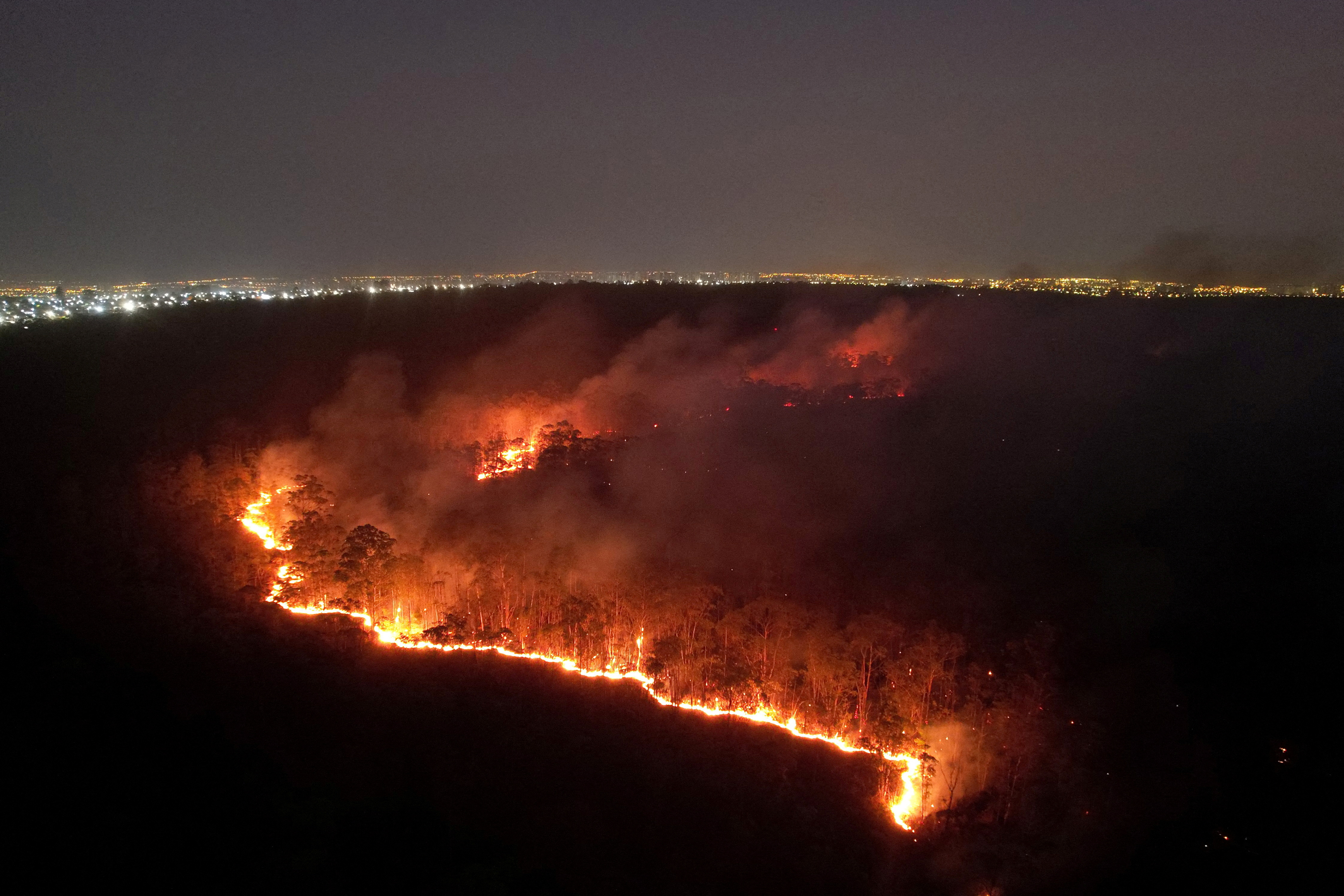
In a significant move to mitigate an impending environmental crisis, the Brazilian government has substantially increased its wildfire fighting budget and recruited a record number of federal firefighters. This heightened state of readiness is a direct response to forecasts predicting extreme drought conditions across the Amazon basin, exacerbated by what experts believe could be one of the strongest El Niño events recorded in over a century. The proactive measures aim to prevent and combat the large-scale wildfires that typically accompany such dry spells, threatening the world's largest rainforest.
WHO ARE THE KEY PLAYERS
**Brazil:** The South American nation, home to the largest portion of the Amazon rainforest, is at the forefront of this environmental defense. Its government is responsible for allocating resources and coordinating national efforts.
**Federal Firefighters:** These are specialized emergency responders under the Brazilian federal authority, tasked with combating large-scale blazes, particularly in critical biomes like the Amazon. Their increased numbers are central to the new strategy.
**El Niño:** While not a 'player' in the human sense, El Niño is the primary natural phenomenon driving the anticipated crisis, dictating weather patterns that will severely impact the region.
UNDERSTANDING THE LOCATION
The **Amazon Rainforest** spans nine South American countries, with approximately 60% located within Brazil. It is the largest tropical rainforest globally, renowned for its incredible biodiversity, housing millions of species of plants and animals. Crucially, it plays a critical role in regulating global climate patterns by absorbing vast amounts of carbon dioxide, earning its moniker as a global 'carbon sink.' Its health directly impacts global weather, rainfall, and temperature.
BACKGROUND AND CONTEXT
Historically, the Amazon has experienced periods of drought and wildfires, often linked to natural climate variations and human activities like deforestation. The El Niño Southern Oscillation (ENSO) is a recurring climate pattern involving changes in the temperature of surface waters in the central and eastern tropical Pacific Ocean. When the Pacific waters warm significantly, it signals an El Niño event, typically leading to hotter and drier conditions in large parts of the Amazon. Past strong El Niño events have been correlated with devastating droughts and widespread fires, causing significant ecological damage and contributing to global carbon emissions. The current forecast of a 'strong' to 'very strong' El Niño raises alarms due to the potential for unprecedented severity.
EXPLAINING IMPORTANT REFERENCES
**El Niño:** Simply put, El Niño is a natural weather pattern originating from the tropical Pacific Ocean. It occurs when the surface waters in this region become unusually warm, which in turn affects global atmospheric circulation. For regions like the Amazon, this often translates to significantly less rainfall and higher temperatures, leading to what we call **drought** – a prolonged period of abnormally low rainfall, resulting in water shortages. These dry conditions create a perfect environment for **wildfires**, which are uncontrolled fires burning in wild areas, often starting naturally but exacerbated by human activity and extreme dryness. Imagine a long, hot dry season, but far more intense and widespread, making the forests extremely flammable.
IMPACT ANALYSIS
The implications of a severe El Niño-induced drought and widespread wildfires in the Amazon are far-reaching. Ecologically, it threatens the unique biodiversity, pushing many species closer to extinction and disrupting delicate ecosystems. The economic impact could be significant, affecting local communities reliant on the forest for sustenance and resources, and potentially disrupting regional agriculture. Globally, massive fires would release enormous quantities of stored carbon into the atmosphere, accelerating climate change and undermining international efforts to reduce greenhouse gas emissions. For countries like Nigeria, while geographically distant, the Amazon's health contributes to global climate stability, and its degradation could indirectly influence long-term weather patterns and food security worldwide.
WHAT HAPPENS NEXT
In the immediate future, Brazil will deploy its enhanced firefighting capabilities, focusing on prevention, early detection, and rapid response to any outbreaks. The effectiveness of these measures will be closely watched by the international community. Long-term, this event underscores the urgent need for sustainable land management practices, stricter enforcement against illegal deforestation, and international cooperation to protect critical global ecosystems. Scientists will continue to monitor the El Niño's progression and its precise impacts, providing crucial data for future climate strategies. The challenge now is not just to fight fires, but to safeguard the future of the Amazon.
HERO PERSPECTIVE
Leverage On Heroes Media believes that proactive environmental governance is not merely an option, but an imperative. Brazil's decisive action to bolster its defenses against the looming El Niño threat in the Amazon is a commendable display of foresight and responsibility. This situation serves as a stark reminder that environmental challenges transcend national borders, demanding a 'heroic' commitment to global ecological stewardship. It highlights the critical need for nations to invest in preparedness, utilize scientific forecasts, and foster international collaboration to protect our shared planet. The real heroes are those who act before disaster strikes, understanding that the health of one ecosystem can impact the well-being of all.
CLOSING
As the world watches the Amazon, Brazil's intensified efforts serve as a crucial test of humanity's resolve to protect its most vital natural treasures against the escalating threats of climate change. The outcome will resonate far beyond its borders.