
HEADLINE
Climate Crisis and Pollinator Decline: Study Reveals Drastic Drop in Plant Adaptation, Threatening Nigerian Agriculture
OPENING HOOK
From the bustling markets of Lagos to the farmlands of Kano, the health of our environment directly impacts our daily bread. A groundbreaking study now reveals a concerning shift in how plants are responding to the twin pressures of a warming climate and dwindling pollinator populations, a development that could reshape agricultural practices and challenge food security across Nigeria.
WHAT HAPPENED
Researchers at the University of Michigan have uncovered a significant decline in the rate at which plants are adapting to environmental changes. Focusing on morning glories, a common agricultural nuisance, the study observed an alarming 96% decrease in the population's rate of adaptation over a nine-year period. The core finding suggests that these plants are prioritizing evolving to attract pollinators, rather than adjusting to the increasing temperatures and altered weather patterns brought by climate change. This trade-off, where one crucial evolutionary response is sacrificed for another, points to a deeper ecological imbalance.
WHO ARE THE KEY PLAYERS
The primary institution behind this pivotal research is the **University of Michigan**, a renowned public research university in Ann Arbor, Michigan, United States, known for its extensive scientific contributions. The study's findings were published in *Evolution Letters*, a respected scientific journal dedicated to publishing high-quality, short articles in all areas of evolutionary biology. While specific researchers' names were not highlighted in the summary, their collective work represents a significant contribution to our understanding of plant evolution and ecological resilience.
UNDERSTANDING THE LOCATION
Morning glories, scientifically known as *Ipomoea*, are a widespread genus of flowering plants. In Nigeria, they are commonly found across various geopolitical zones, often seen climbing on fences, walls, and other vegetation. While some species are cultivated for their ornamental value, many are considered aggressive weeds in agricultural settings, competing with staple crops like maize, cassava, and yam for nutrients, water, and sunlight. Their prevalence as weeds means that any shift in their adaptive capacity could directly affect farmers' yields and livelihoods, from the fertile lands of the South-South to the agrarian communities of the North-Central regions.
BACKGROUND AND CONTEXT
This study emerges against a backdrop of escalating environmental crises. **Climate change**, driven by human activities, refers to long-term shifts in temperatures and weather patterns, manifesting in Nigeria as unpredictable rainfall, prolonged droughts in the North, and severe flooding in the South. Simultaneously, global **pollinator populations**, including bees, butterflies, and other insects, are facing drastic declines due to habitat loss, pesticide use, and disease. Pollinators are vital for the reproduction of many plants, including a significant portion of our food crops. Historically, plants have adapted to environmental pressures through natural selection, but this research suggests that the combined intensity of these modern challenges is forcing plants into difficult evolutionary choices, impacting the very foundation of ecosystems.
EXPLAINING IMPORTANT REFERENCES
- **Adaptation**: In biology, adaptation refers to the evolutionary process where organisms adjust to their environment to improve their chances of survival and reproduction. For plants, this could mean developing resistance to drought, tolerating higher temperatures, or changing flowering times.
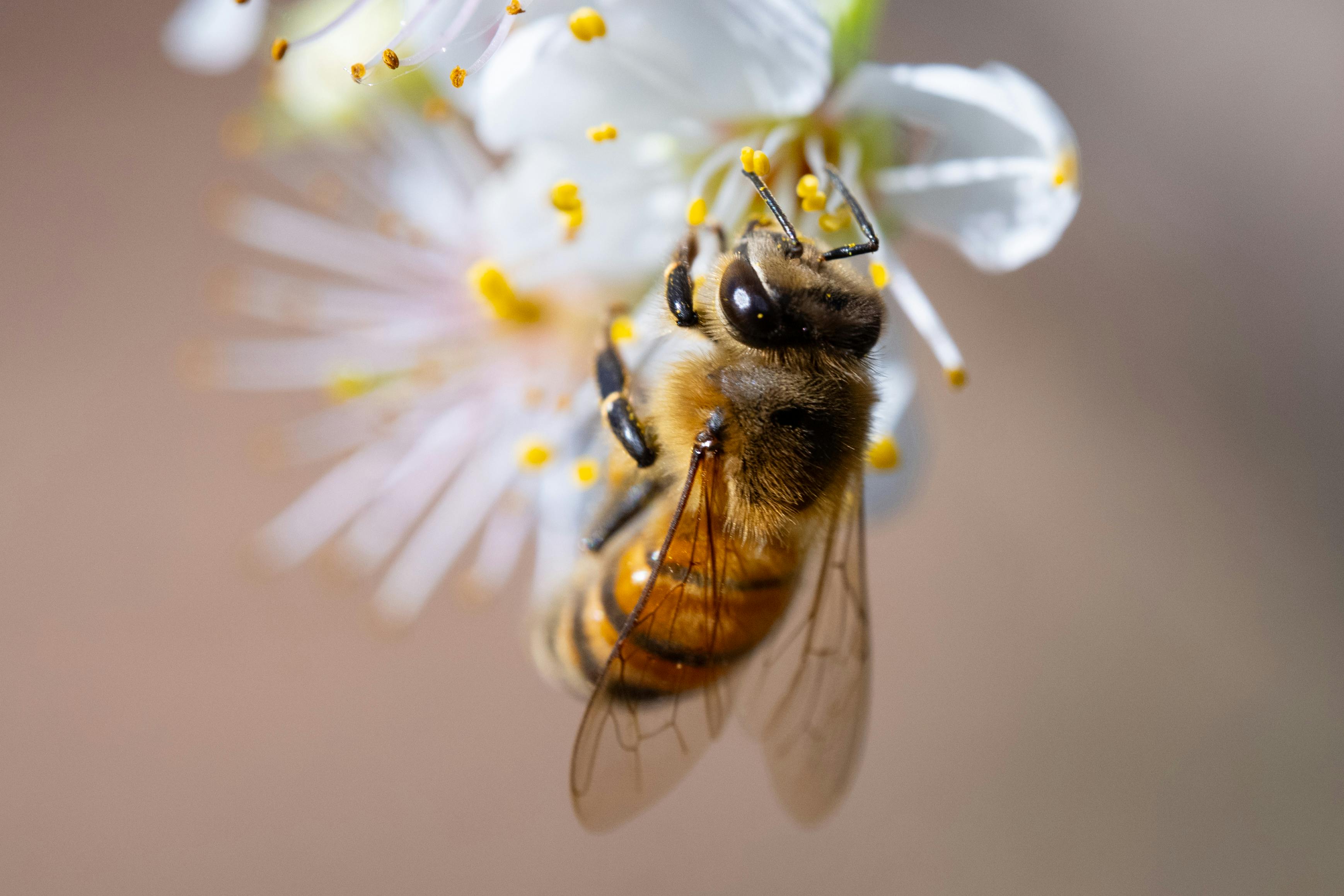
- **Pollinators**: These are animals, primarily insects like bees, butterflies, and moths, but also birds and bats, that transfer pollen from one flower to another, enabling plants to produce seeds and fruits. They are crucial for the reproduction of over 75% of the world's food crops.
- **Morning Glories**: These are fast-growing, often vining plants. While some are ornamental, many species are considered invasive weeds, particularly in agricultural fields where they can outcompete valuable food crops.
- **Evolution Letters**: This is a peer-reviewed scientific journal that publishes research in the field of evolutionary biology, ensuring that the findings undergo rigorous scrutiny by experts before publication.
IMPACT ANALYSIS
The study's findings have profound implications, particularly for a country like Nigeria where agriculture is the backbone of the economy for many. A 96% drop in the adaptation rate of a common weed like the morning glory signals a broader ecological vulnerability. If plants are struggling to adapt to climate change, farmers could face increased challenges in managing pests and weeds that are no longer responding to traditional control methods. More critically, if food crops themselves are making similar evolutionary trade-offs, it could lead to reduced yields, increased food prices, and exacerbate food insecurity. This could translate to higher market prices for staples like garri or rice, making it harder for the average Nigerian family to afford food. Furthermore, the decline in pollinators directly threatens the productivity of crops reliant on them, from fruits and vegetables to cash crops like cocoa.
WHAT HAPPENS NEXT
This research underscores the urgent need for integrated approaches to environmental management. Future efforts must focus on mitigating climate change impacts and protecting pollinator habitats. This could involve promoting sustainable agricultural practices, reducing pesticide use, and establishing pollinator-friendly landscapes. For policymakers in Nigeria, this means considering these ecological pressures when formulating agricultural policies, perhaps investing more in climate-resilient crop varieties or research into biological pest control. Further studies will likely explore if this evolutionary trade-off is unique to morning glories or a widespread phenomenon across different plant species, especially those critical to human food supply. The scientific community will also be looking for ways to assist plants in adapting to these simultaneous pressures.
HERO PERSPECTIVE
Leverage On Heroes Media believes this study is a clarion call for immediate, decisive action on climate change and biodiversity loss. We assert that neglecting these interconnected environmental crises will not only undermine our ecosystems but directly threaten the livelihoods and food security of millions of Nigerians. It is imperative for government agencies, farmers, and citizens to collaborate on sustainable solutions that protect our natural heritage and ensure a resilient future for our agricultural sector.
CLOSING
The delicate balance of nature is under unprecedented strain. As plants navigate a world of rising temperatures and vanishing pollinators, the choices they make in their evolution will ultimately determine the resilience of our planet's ecosystems and, by extension, our own survival. The time for proactive engagement and innovative solutions is now.