
HEADLINE
Deadly Landslide Strikes India's Nagaland, Eight Confirmed Dead, Fifteen Injured Following Torrential Rains
OPENING HOOK
The serene, hilly landscapes of Nagaland in Northeast India have been tragically scarred by a devastating landslide, a stark reminder of nature's formidable power. This incident, brought on by relentless rainfall and an intense cloudburst, has not only claimed lives but also left a trail of destruction, raising urgent questions about disaster preparedness in vulnerable regions.
WHAT HAPPENED
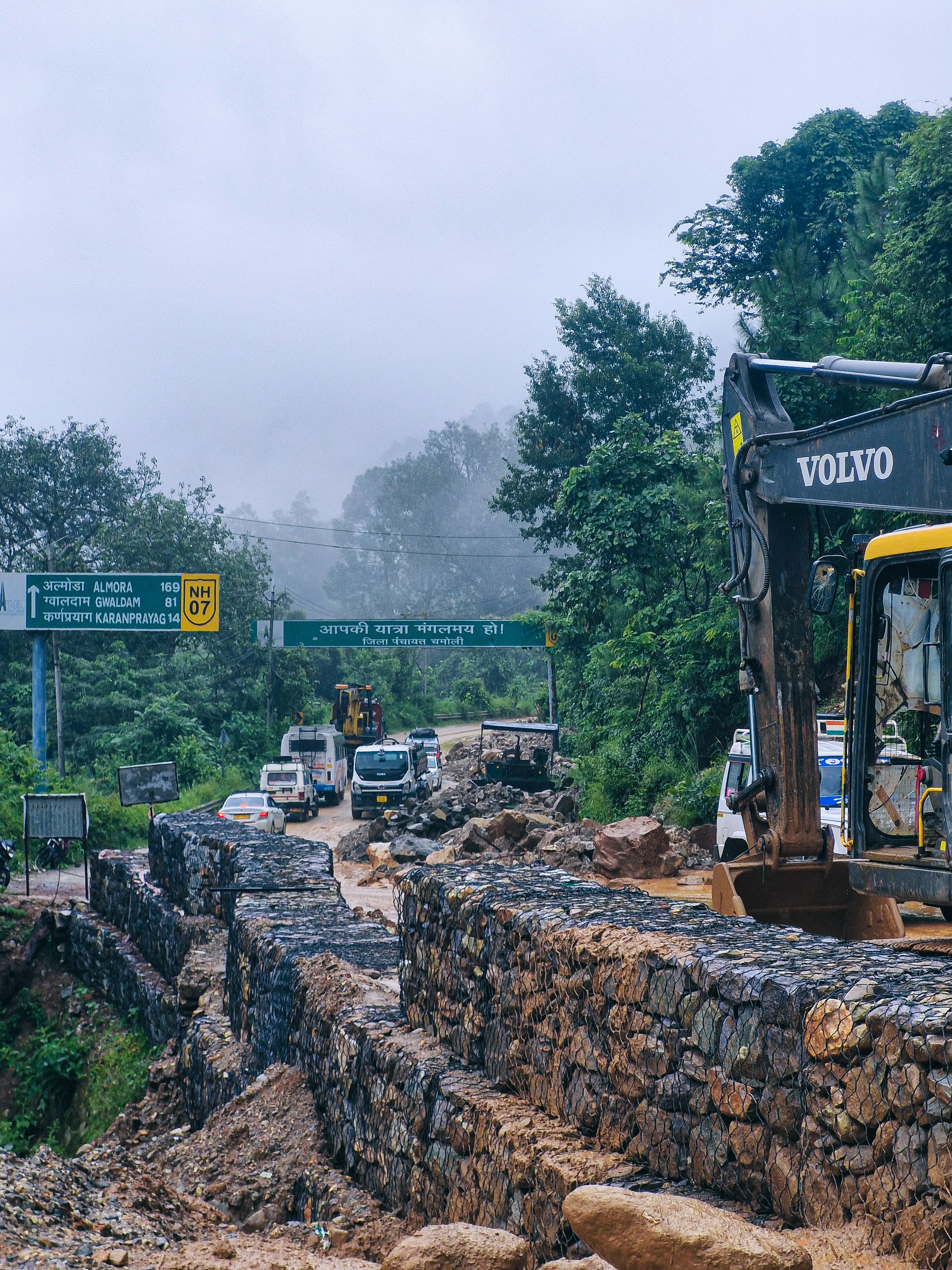
At least eight individuals have lost their lives, and fifteen others sustained injuries, following a destructive landslide that swept through various locations in and around Mon town, Nagaland, India. The calamity, attributed to heavy, incessant rainfall and a sudden cloudburst, inflicted widespread damage across the area. In response to the tragedy, the Nagaland State Government has announced an ex-gratia payment of ₹4 lakh (approximately ₦6.8 million, based on current exchange rates) for the families of each deceased person and ₹74,000 (approximately ₦1.2 million) for each of the injured, underscoring the immediate need for support to the affected communities.
WHO ARE THE KEY PLAYERS
The primary entity responding to this disaster is the **Nagaland State Government**, which is responsible for disaster management, rescue operations, and providing relief to its citizens. Local administration officials in Mon district are coordinating on-the-ground efforts. Additionally, various **disaster management agencies** and local emergency services, including police and civil defense, are actively involved in search, rescue, and recovery operations. Community leaders and volunteers are also playing a crucial role in assisting affected families and supporting government efforts.
UNDERSTANDING THE LOCATION
**Nagaland** is one of India's northeastern states, bordering Myanmar. It is predominantly a mountainous region, part of the Himalayan foothills, characterized by rugged terrain, dense forests, and numerous rivers. This topography makes it inherently susceptible to landslides, especially during the monsoon season. **Mon town** is the headquarters of the Mon district, located in the northern part of Nagaland. It is a remote area, known for its distinct cultural heritage, but also for its challenging geographical conditions that often lead to connectivity issues and increased vulnerability to natural disasters.
BACKGROUND AND CONTEXT
Landslides are a recurring threat in India's northeastern states, particularly during the annual monsoon season, which typically runs from June to September. The region's geological fragility, coupled with deforestation and sometimes unregulated construction, exacerbates the risk. Heavy rainfall saturates the soil, reducing its stability and leading to catastrophic collapses of earth and rock. Cloudbursts, which are extreme forms of localized rainfall, intensify this risk dramatically. Historically, such events have caused significant loss of life and property across the Himalayan belt, necessitating robust early warning systems and sustainable land-use planning.
EXPLAINING IMPORTANT REFERENCES
Two key terms define the nature of this disaster. A **cloudburst** refers to an extreme amount of precipitation in a very short period, over a localized area. Imagine rainfall so intense it feels like a large bucket of water has been emptied directly over your head; this sudden, concentrated deluge can trigger flash floods and landslides with little to no warning. **Ex-gratia** is a Latin term meaning 'out of grace' or 'as a favour'. In this context, it refers to a payment made by the government to the victims or their families, not because there is a legal obligation to do so, but as a humanitarian gesture of goodwill and support. It is a form of immediate financial aid to help alleviate the initial hardships faced by those affected.
IMPACT ANALYSIS
The immediate impact of this landslide is profoundly tragic, marked by the loss of precious lives and the physical and emotional trauma inflicted upon the injured. Beyond the human toll, the destruction of homes and infrastructure will undoubtedly disrupt daily life for the residents of Mon town. Economic activities will be hampered, and the psychological scars left on survivors and the wider community can linger for years. Such events also place immense strain on local healthcare facilities and emergency services, requiring significant resources for recovery and rehabilitation. The disruption to transport routes, often a consequence of landslides in hilly regions, can also isolate communities, hindering relief efforts and access to essential supplies.
WHAT HAPPENS NEXT
In the immediate aftermath, rescue operations will intensify to ensure no more individuals are trapped under the debris. The focus will then shift to assessing the full extent of the damage, providing medical care to the injured, and offering temporary shelter to those displaced. The Nagaland State Government will likely initiate a comprehensive survey to identify other high-risk areas and formulate strategies for future mitigation. This could include improved early warning systems, stricter land-use regulations, and investments in infrastructure designed to withstand geological instabilities. For the affected families, accessing the announced ex-gratia payments will be a critical next step in rebuilding their lives, alongside long-term rehabilitation support.
HERO PERSPECTIVE
Leverage On Heroes Media believes that while natural disasters are inevitable, their impact can be mitigated through proactive governance, community resilience, and sustained investment in early warning systems and robust infrastructure. This tragedy in Nagaland underscores the urgent need for comprehensive disaster management strategies that prioritize the safety and well-being of citizens in vulnerable regions. We advocate for greater accountability in urban planning and environmental protection, ensuring that communities are not only prepared for but also able to quickly recover from such devastating events.
CLOSING
The hearts of many go out to the victims and families affected by the Nagaland landslide. As the region grapples with this immense loss, the resilience of the human spirit and the effectiveness of coordinated relief efforts will be put to the ultimate test, serving as a critical lesson in our collective responsibility towards a safer, more prepared world.