
HEADLINE
Deadly Wildfires Ravage Southern Spain: A Confluence of Climate and Rural Neglect
OPENING HOOK
The serene landscapes of southern Spain have been tragically scarred by a fast-spreading inferno, leading to significant loss of life and widespread destruction. This disaster serves as a stark reminder of the escalating challenges posed by extreme weather patterns and changing demographics across Europe.
WHAT HAPPENED
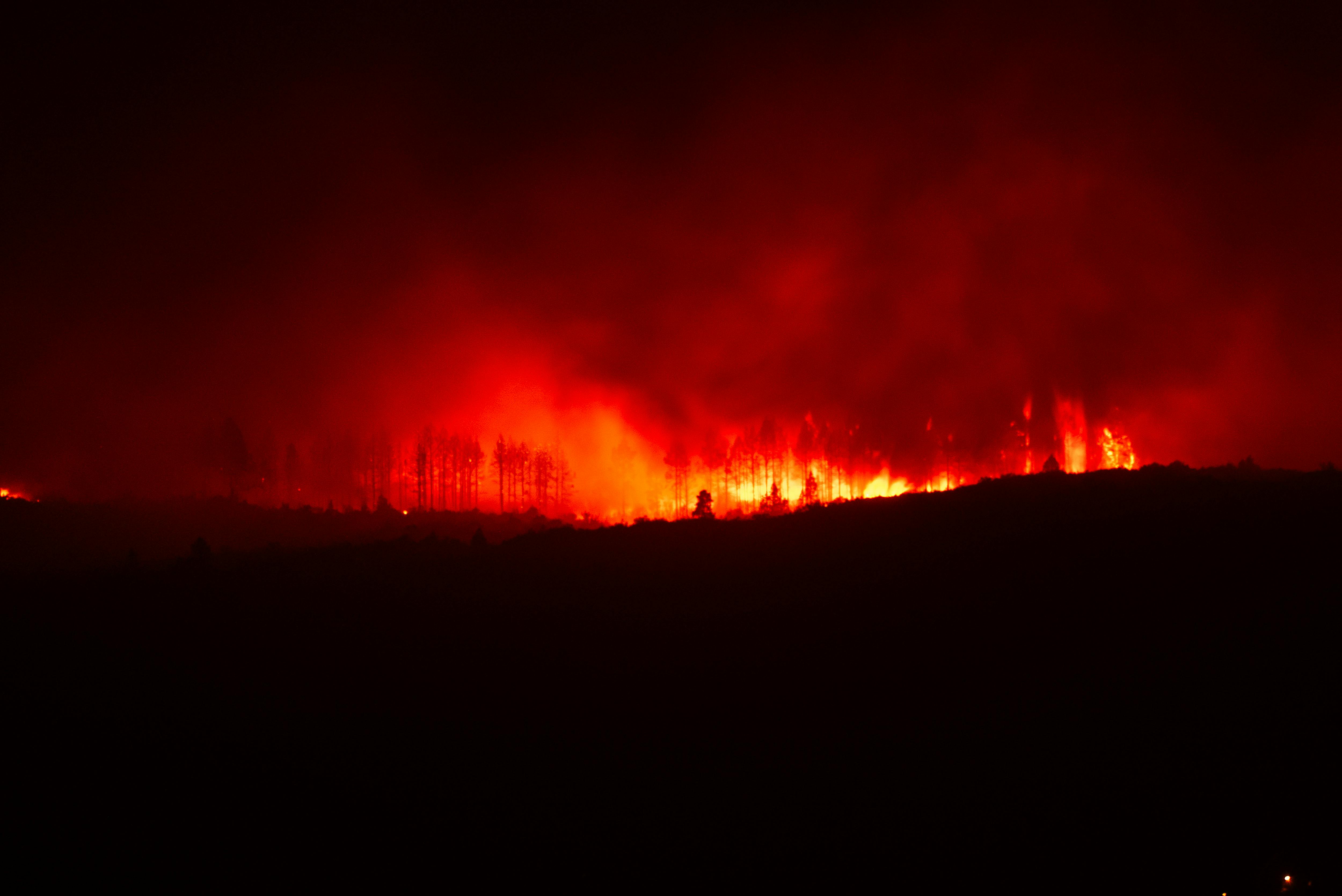
A devastating wildfire ripped through the province of Almería in southern Spain last Thursday, resulting in the confirmed deaths of at least 12 individuals. Many victims were reportedly trapped in their vehicles while attempting to flee the rapidly advancing flames. The blaze scorched an estimated 3,800 hectares, which is roughly 9,390 acres – an area larger than many small towns. Emergency services have also reported eight injuries, with 23 people currently unaccounted for, highlighting the chaotic and overwhelming nature of the incident for local authorities and first responders.
WHO ARE THE KEY PLAYERS
At the forefront of the response are **Spanish emergency services**, including numerous **firefighters** from various regions, working tirelessly to contain the blaze and rescue those affected. **Local and regional government officials** in Almería and Andalusia are coordinating relief efforts and managing the crisis. The **Spanish national government** is expected to provide support and resources as the situation unfolds. The **residents of Almería**, particularly those in rural communities, are the primary victims, facing displacement, loss of property, and profound emotional trauma.
UNDERSTANDING THE LOCATION
**Almería** is a province located in the autonomous community of Andalusia, in the southeastern part of Spain. Known for its arid climate, extensive coastline, and diverse landscapes, from desert-like terrain to agricultural areas, Almería is naturally susceptible to dry conditions. Its proximity to the Mediterranean Sea often brings strong, dry winds, which, when combined with high temperatures, can rapidly spread wildfires. The region's rural areas, often characterized by dense scrubland and pine forests, provide ample fuel for fires, especially after prolonged dry spells.
BACKGROUND AND CONTEXT
Wildfires are not uncommon in Spain, particularly during the hot summer months. However, recent years have seen an increase in their frequency, intensity, and destructiveness, a trend widely linked to **climate change**. Higher average temperatures, prolonged droughts, and more frequent heatwaves create ideal conditions for fires to ignite and spread. Additionally, a phenomenon known as the **'hollowing out of the rural population'** plays a significant role. As younger generations migrate to urban centers for work and opportunities, traditional land management practices, such as controlled burning and clearing of undergrowth, diminish. This leaves vast tracts of unmanaged, dense vegetation, creating a tinderbox effect waiting for a spark. This combination of extreme weather and reduced human presence in rural areas is what experts describe as the 'worst possible combination' for catastrophic wildfires.
EXPLAINING IMPORTANT REFERENCES
The term **'hectares'** refers to a unit of area, primarily used in land measurement, equivalent to 10,000 square meters or approximately 2.47 acres. So, 3,800 hectares represents a vast expanse of land. A **'heatwave'** is a period of unusually hot weather that may be accompanied by high humidity, which can be particularly dangerous for health and significantly dries out vegetation. **'Strong wind'** (or gusts) acts as a crucial accelerant for wildfires, pushing flames forward, carrying embers to new areas, and increasing oxygen supply to the fire. **'Dry vegetation'** refers to dead leaves, branches, grasses, and other plant material that has lost its moisture content, becoming highly flammable and serving as fuel for fires.
IMPACT ANALYSIS
The immediate human toll of these fires is devastating, with lives lost and communities shattered. Beyond this, the environmental impact is profound, leading to significant biodiversity loss, soil erosion, and air pollution. Economically, the destruction of homes, agricultural land, and potentially tourist infrastructure will incur substantial reconstruction costs and loss of livelihoods. The psychological impact on survivors and emergency responders cannot be overstated, often leading to long-term trauma. For Spain and the broader European Union, these events underscore the urgent need for enhanced climate resilience strategies and sustainable rural development policies.
WHAT HAPPENS NEXT
In the immediate future, efforts will focus on fully containing the fire, accounting for the missing, and providing support to the injured and displaced. Investigations will commence to determine the exact cause of the blaze, which is crucial for prevention efforts. In the medium to long term, this incident will likely prompt renewed calls for more robust forest management policies, increased investment in firefighting capabilities, and strategies to reverse rural depopulation. Furthermore, the broader conversation around **climate change adaptation** and mitigation will intensify, as countries grapple with the increasing frequency and intensity of such extreme weather events.
HERO PERSPECTIVE
Leverage On Heroes Media views this tragic event through the lens of **'Resilience Amidst Reckoning'**. We acknowledge the immense courage and tireless efforts of the firefighters and emergency personnel who are battling these infernos. However, we also believe this incident is a stark reckoning for policy-makers, calling for a radical re-evaluation of land management, rural development, and climate change strategies. Our focus remains on highlighting both the heroic human response and the systemic changes required to prevent future catastrophes of this scale, advocating for proactive measures that protect both lives and the environment.
CLOSING
The wildfires in Almería are more than just a local tragedy; they are a potent symbol of global challenges. As the smoke eventually clears, the lessons learned from this disaster must ignite a collective resolve to adapt, innovate, and protect our communities and natural heritage from the growing threats of a changing climate.