
HEADLINE
Ethiopia's Iconic Walia Ibex Returns to Critically Endangered Status
OPENING HOOK
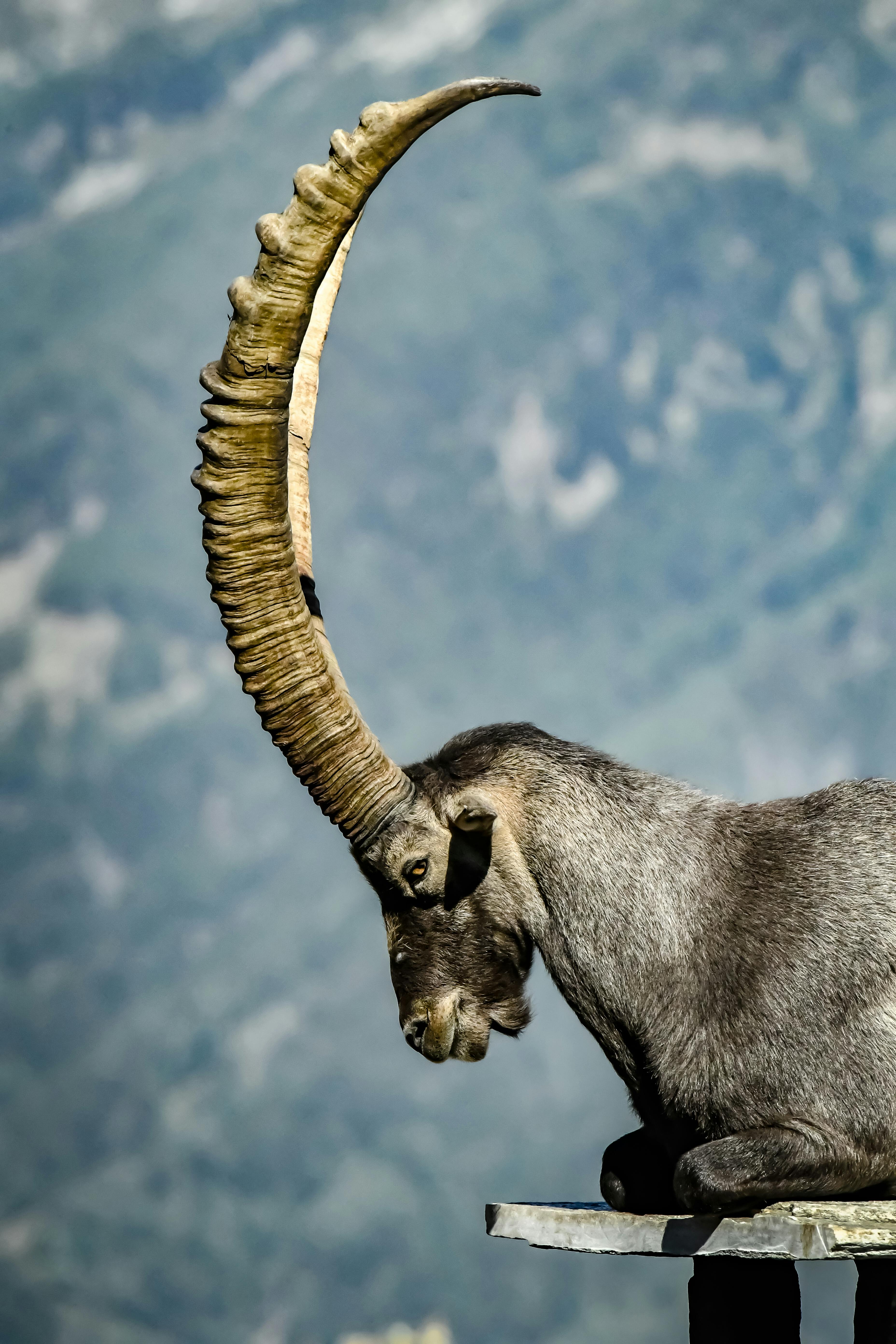
The magnificent Walia ibex, a distinct wild goat species found nowhere else on Earth but the rugged highlands of northern Ethiopia, is once again facing an existential threat. Conservationists are sounding the alarm after recent population assessments revealed a sustained decline, pushing this iconic animal back into the critically endangered category on the global wildlife risk list.
WHAT HAPPENED
The Walia ibex, scientifically known as *Capra walie*, has been reclassified as 'critically endangered' by the International Union for Conservation of Nature (IUCN). This downgrade from its previous 'vulnerable' status signifies a severe and ongoing decline in its wild population, falling below a critical threshold. The species, largely confined to the remote, steep cliffs within the Simien Mountains National Park, is now considered to be at an extremely high risk of extinction in the wild.
WHO ARE THE KEY PLAYERS
The **Walia ibex** itself is the central subject, a unique species of wild goat. The **International Union for Conservation of Nature (IUCN)** is a global authority on the status of the natural world and the measures needed to safeguard it. They maintain the Red List of Threatened Species, which is the world's most comprehensive inventory of the global conservation status of biological species. **Ethiopian government agencies** responsible for wildlife and national parks, alongside various **local and international conservation organisations**, are key players in implementing protection measures. **Local communities** residing near the Simien Mountains National Park are also crucial, as their livelihoods and activities often intersect with the ibex's habitat.
UNDERSTANDING THE LOCATION
The Walia ibex's sole habitat is the **Simien Mountains National Park** in the Amhara Region of northern Ethiopia. This breathtaking landscape, characterised by dramatic peaks, deep valleys, and sheer precipices, is a UNESCO World Heritage site, recognised for its spectacular scenery and unique biodiversity. The park's rugged terrain provides a natural fortress for the ibex, protecting it from many human disturbances, yet also making conservation efforts challenging. Its high altitude and unique afro-alpine ecosystem support a variety of endemic species, making it a critical biodiversity hotspot.
BACKGROUND AND CONTEXT
This is not the first time the Walia ibex has faced such dire circumstances. The species' conservation status has fluctuated significantly over the decades, reflecting both periods of intense threat and successful conservation interventions. In 1986, it was listed as endangered. By 1996, it was reclassified as critically endangered due to escalating threats, including habitat loss, poaching, and human encroachment. Subsequent efforts led to an improvement in its status to vulnerable, offering a glimmer of hope. However, ongoing pressures, including climate change impacts, continued habitat degradation, and potential disease transmission from domestic livestock, appear to have reversed these gains, bringing the species back to the brink.
EXPLAINING IMPORTANT REFERENCES
The **IUCN Red List of Threatened Species** is essentially a global barometer for biodiversity. When a species is classified as 'critically endangered', it means it faces an extremely high risk of extinction in the wild. This is the highest risk category assigned by the IUCN before a species is considered 'extinct in the wild' or 'extinct'. The criteria for this classification involve a rapid population decline (typically over 80% in three generations), a very small population size (fewer than 50 mature individuals), or a very restricted geographic range. This reclassification serves as an urgent call for intensified conservation efforts.
IMPACT ANALYSIS
The return of the Walia ibex to critically endangered status carries significant implications. Ecologically, it signals a further erosion of biodiversity, impacting the delicate balance of the Simien Mountains ecosystem. As an endemic species, its potential loss represents an irreplaceable part of Ethiopia's natural heritage. Economically, the ibex is a major draw for eco-tourism in the Simien Mountains National Park, generating revenue and employment for local communities. Its decline could diminish the park's appeal, affecting livelihoods. From a broader conservation perspective, it highlights the persistent challenges in protecting vulnerable species, even within designated protected areas, and underscores the impact of human activities and climate change on wildlife.
WHAT HAPPENS NEXT
Following this reclassification, it is expected that international and national conservation bodies will intensify efforts to protect the Walia ibex. This could involve increased funding for anti-poaching patrols, expanded habitat restoration projects, stricter regulations on human activities within and around the Simien Mountains National Park, and enhanced community engagement programmes to foster local stewardship. Research into population dynamics, disease monitoring, and the genetic health of the remaining ibex population will also be crucial. International collaboration and support will be vital to provide the necessary resources and expertise for these urgent interventions.
HERO PERSPECTIVE
Leverage On Heroes Media believes that the plight of the Walia ibex serves as a poignant reminder of humanity's shared responsibility to protect Earth's irreplaceable biodiversity. This is not merely an Ethiopian problem; it is a global call to action. The oscillating fortunes of this unique species underscore the fragile balance between human development and environmental preservation. Our editorial stance is that sustainable conservation must integrate robust scientific monitoring with active community participation, ensuring that the benefits of wildlife protection are felt by local populations. The Walia ibex is a natural hero of the Ethiopian highlands, and its survival depends on our collective will to act decisively and compassionately.
CLOSING
The renewed critically endangered status of the Walia ibex is a grave warning. It calls for immediate and concerted action from the Ethiopian government, international conservation partners, and local communities to safeguard this magnificent creature and its unique mountain home. The future of the Walia ibex hangs in the balance, a testament to the ongoing race against time to preserve our planet's natural wonders.