
HEADLINE
Europe Wildfires Force Over 300,000 to Flee Homes and Holiday Accommodations in France and Spain
OPENING HOOK
When hundreds of thousands of ordinary families and holidaymakers have to grab what they can carry and run for their lives in the middle of a relaxing break, you know the environment has turned violently against us.
WHAT HAPPENED
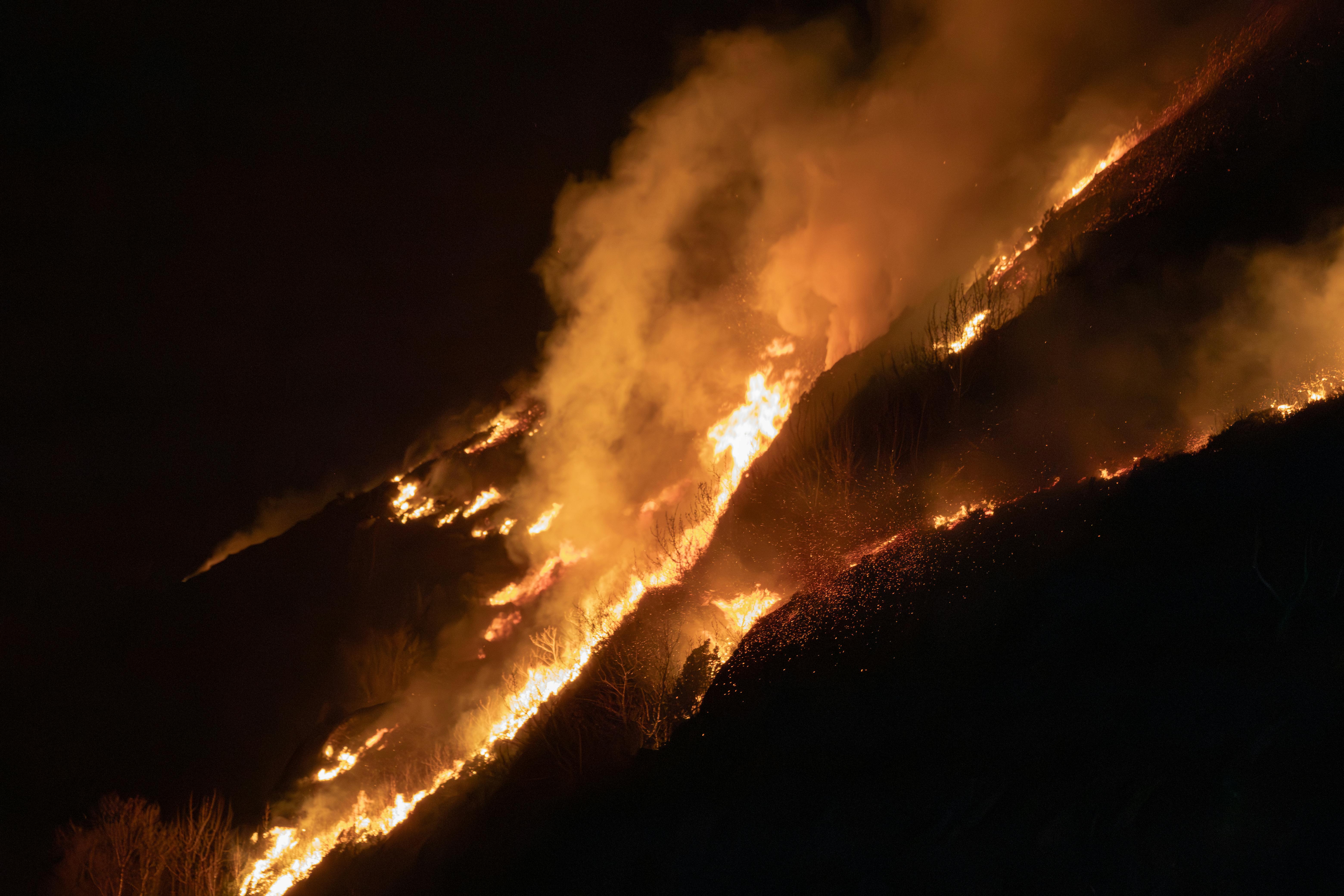
More than 300,000 residents and holiday accommodation guests have been forced to flee their homes and temporary lodgings as aggressive, fast-moving wildfires tear across parts of France and Spain. This mass displacement has triggered one of the largest peacetime civilian evacuation operations ever recorded in France, mobilizing emergency services, temporary shelters, and transport networks to move people out of danger zones. Firefighters are battling intense heat, shifting winds, and bone-dry vegetation to contain the blazes, which continue to threaten critical infrastructure and residential areas.
WHO ARE THE KEY PLAYERS
Civil protection authorities, local emergency response teams, and national firefighting agencies in France and Spain are at the forefront of the crisis, coordinating massive rescue and evacuation operations. Environmental scientists and meteorological researchers are also central to documenting the disaster, linking the unprecedented scale of the fires to broader global weather patterns. Spain's environment ministry has been tracking the catastrophic surge, reporting that 32 major forest fires have broken out this year, a sharp and alarming jump compared to just seven recorded by the same period in previous years.
UNDERSTANDING THE LOCATION
France and Spain are located in Western Europe, occupying regions with diverse climates that range from temperate zones to the drier, hotter Mediterranean basins. The affected areas encompass dense pine forests, rural farming communities, and popular coastal holiday destinations packed with tourist accommodations. In the context of a Nigerian reader, imagine a sudden, uncontrollable bushfire sweeping simultaneously through major agricultural belts and densely populated commercial districts, forcing whole communities to relocate overnight.
BACKGROUND AND CONTEXT
Wildfires are a natural part of some ecosystems, clearing dead brush and returning nutrients to the soil. However, the sheer frequency and intensity of modern fires have broken historical patterns. Scientists emphasize that climate breakdown is aggressively driving these phenomena by evaporating moisture from soils and waterways, creating tinderbox conditions across the continent. According to climate research, Europe is currently heating up at roughly twice the global average rate, making it one of the most vulnerable regions to extreme temperature spikes.
EXPLAINING IMPORTANT REFERENCES
In environmental science, 'climate breakdown' refers to the rapid and dangerous destabilization of Earth's weather systems caused by rising greenhouse gas emissions. 'Peacetime civilian evacuation' means moving ordinary citizens away from danger during a non-military crisis, operating on a logistical scale usually reserved for wars or major tectonic disasters.
IMPACT ANALYSIS
Beyond the immediate trauma of displacement, these wildfires carry profound economic and social costs. Tourism-dependent local economies in France and Spain face severe revenue losses as holidaymakers cancel bookings. Public health systems are also under heavy strain from smoke inhalation and heat-related illnesses, echoing the thousands of excess deaths linked to extreme heatwaves in recent years. For global commodity markets, disruptions to regional agriculture and infrastructure can ripple outward, affecting everything from insurance premiums to international food supply chains.
WHAT HAPPENS NEXT
Emergency responders will remain on high alert as long as high temperatures and dry winds persist across Southern Europe. Governments in France and Spain are expected to face mounting political pressure to overhaul their fire prevention strategies, upgrade early-warning systems, and accelerate climate adaptation funding. Long-term recovery efforts will require massive investments to restore burnt forests, rebuild damaged properties, and rehouse displaced families.
HERO PERSPECTIVE
Spain's environment ministry recorded 32 major forest fires so far this year compared to just seven in past comparable periods, marking an unprecedented leap in seasonal wildfire frequency. This fivefold surge in major incidents underscores the severe strain that rapidly shifting climatic conditions are placing on frontline emergency agencies. Disaster response planners across Europe must now adapt their operational models to handle these extreme weather realities.
CLOSING
The unfolding crisis in France and Spain serves as a stark reminder of our shared planetary vulnerability. As global temperatures continue to rise, the line between seasonal weather and existential emergency grows dangerously thin, demanding urgent and coordinated global action.