
HEADLINE
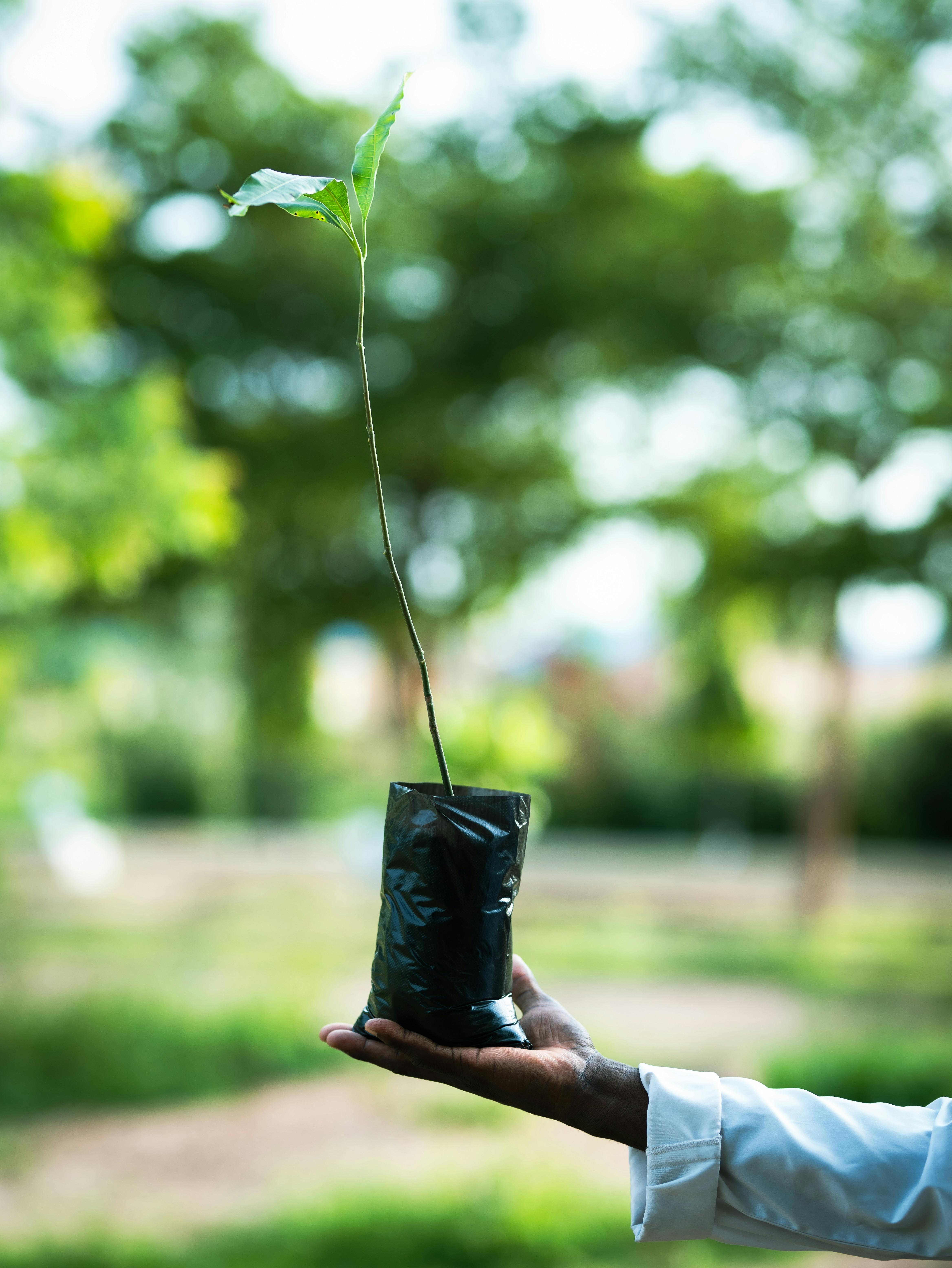
FRIN Donates 5,000 Tree Seedlings to Redeemer's University to Boost Afforestation
OPENING HOOK
In a strategic environmental partnership, academic institutions and federal research agencies are combining resources to tackle environmental degradation through large-scale tree planting.
WHAT HAPPENED
The Forestry Research Institute of Nigeria (FRIN) has donated 5,000 tree seedlings to Redeemer’s University, located in Ede, Osun State. This initiative is designed to bolster campus afforestation efforts, improve local green cover, and provide practical study materials for students and researchers focusing on environmental management and forestry.
WHO ARE THE KEY PLAYERS
The key entities involved in this environmental initiative are the Forestry Research Institute of Nigeria, a federal agency under the oversight of the Federal Ministry of Environment tasked with forestry research and conservation, and Redeemer’s University, a private tertiary institution owned by the Redeemed Christian Church of God.
UNDERSTANDING THE LOCATION
Redeemer’s University is situated in Ede, a historic town in Osun State within the South-West geopolitical zone of Nigeria. Ede features a tropical savannah climate where seasonal variations and agricultural activities make sustainable land management and tree planting crucial for preventing soil erosion and protecting local ecosystems.
BACKGROUND AND CONTEXT
Afforestation—the establishment of a forest in an area where there was no previous tree cover—has become a major policy priority across Nigeria as the country grapples with desertification in the north and severe gully erosion and deforestation in the south. Federal research institutes like FRIN routinely partner with universities to distribute seedlings, bridging the gap between scientific research and practical environmental restoration.
EXPLAINING IMPORTANT REFERENCES
Afforestation simply means planting new trees in open or degraded lands to create a forest where one did not recently exist. FRIN operates as a primary scientific hub, producing resilient plant species suited to different Nigerian soil types and weather conditions to ensure that donated trees survive and thrive.
IMPACT ANALYSIS
By injecting 5,000 new seedlings into the ecosystem of Redeemer’s University, the initiative immediately enhances the campus carbon sink while offering students in agriculture and environmental sciences hands-on experience in conservation. Over time, these trees will stabilize topsoil, reduce surface runoff during heavy downpours, and serve as a living laboratory for ongoing botanical research.
WHAT HAPPENS NEXT
Following the handover, university officials and student volunteers are expected to map out planting zones across the campus grounds. FRIN technical staff may provide advisory support on post-planting maintenance, ensuring high survival rates for the seedlings through the upcoming wet and dry seasons.
HERO PERSPECTIVE
The transfer of exactly 5,000 tree seedlings from the Forestry Research Institute of Nigeria to Redeemer's University in Ede highlights a direct institutional collaboration bridging federal scientific output and tertiary campus development. This practical deployment gives immediate operational backing to institutional sustainability mandates without relying on rhetorical declarations.
CLOSING
As Nigerian institutions face mounting pressures from shifting weather patterns and ecological strain, targeted partnerships between federal research bodies and private universities offer a viable blueprint for grassroots environmental protection and sustainable campus development.