
HEADLINE
Hosepipe Bans Sweep Southern England Amid Drought Fears: A Call for Water Conservation
OPENING HOOK
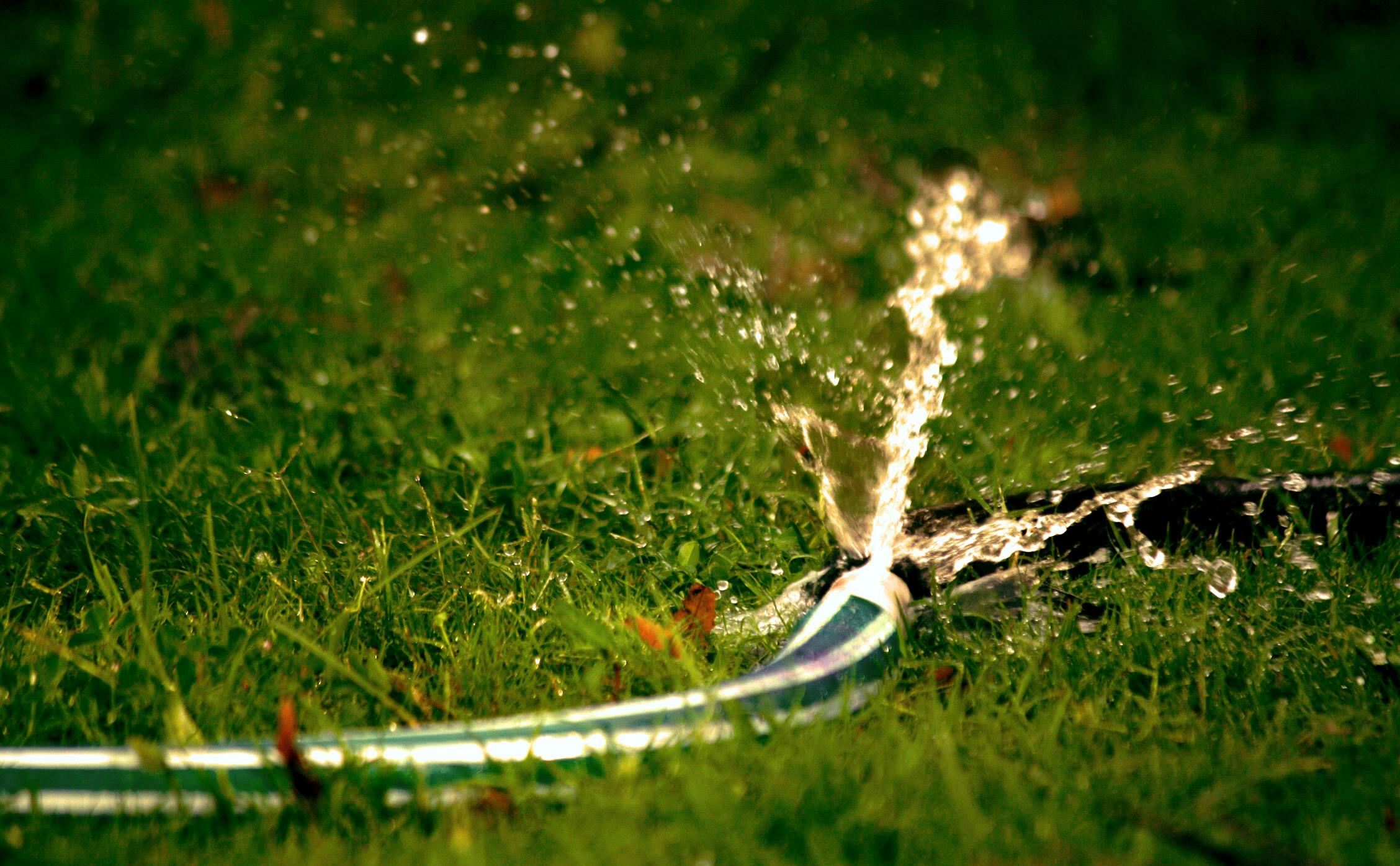
Across a significant portion of the United Kingdom, specifically southern England and parts of Wales, millions of households are now under strict new rules regarding their water consumption. The familiar sight of a hosepipe watering a garden or washing a car has been curtailed, a stark reminder of the intensifying environmental challenges faced globally due to shifting weather patterns.
WHAT HAPPENED
Effective this Thursday, Britain's largest water provider, Thames Water, has imposed a hosepipe ban across its service area, impacting millions of customers. This follows similar restrictions already in place by other water companies across southern England and parts of Wales. The measure comes after weeks of unusually hot weather and exceptionally low rainfall, which have significantly depleted water reserves in rivers, reservoirs, and groundwater sources, leading to fears of an impending drought.
WHO ARE THE KEY PLAYERS
The primary entity in this development is **Thames Water**, a private utility company responsible for public water supply and wastewater treatment in large parts of London and the Thames Valley region, serving over 15 million people. Other key players include the various **water companies** operating across southern England and Wales, such as Southern Water, South East Water, and Welsh Water, all of whom have implemented similar restrictions. The **residents and businesses** in these regions are directly affected by the bans, while the **UK government**, led by Prime Minister Keir Starmer, and its environmental agencies like the Environment Agency, play an oversight role in water resource management and climate policy.
UNDERSTANDING THE LOCATION
**Southern England** refers to the geographical area encompassing counties south of the Midlands, including Greater London, the South East, South West, and parts of the East of England. This region is densely populated and includes major cities and extensive agricultural lands. **Parts of Wales** refers to specific areas within the devolved nation of Wales, which shares a border with England to its east. Both regions are generally known for temperate climates but have experienced increasing frequency of extreme weather events, including heatwaves and prolonged dry spells, in recent years. For a Nigerian audience, imagine parts of the South-West or North-West zones experiencing an unprecedented dry season, impacting their daily water supply and agricultural activities.
BACKGROUND AND CONTEXT
The current water restrictions are not isolated incidents but rather a consequence of a broader trend of climate change impacting weather patterns globally. The UK, like many other nations, has observed more frequent and intense heatwaves, coupled with reduced rainfall during critical periods. This summer's conditions have exacerbated an already delicate water balance. Historically, the UK has faced droughts, but the intensity and widespread nature of current water stress highlight a growing challenge for infrastructure designed for a different climate. The last significant widespread hosepipe bans in the UK occurred in 2018, and before that, in 2012, both following periods of low rainfall and high temperatures.
EXPLAINING IMPORTANT REFERENCES
At the core of this news are two key terms: a **hosepipe ban** and **drought**. A hosepipe ban is a legal restriction imposed by water companies that prohibits customers from using a hosepipe for certain activities, such as watering gardens, filling paddling pools, cleaning cars, or washing patios. It's essentially a temporary, mandatory measure to conserve water. To put it in relatable terms, imagine your local water board telling residents they cannot use their compound's outdoor taps for anything other than essential household chores because the community's borehole or dam is running low. A **drought** is a prolonged period of abnormally low rainfall, leading to a shortage of water. This shortage can affect agriculture, ecosystems, and public water supply. It's like an extended dry season that goes on for so long that streams dry up, crops fail, and even underground water levels drop significantly.
IMPACT ANALYSIS
The immediate impact of these bans is felt by millions of households, who must now adapt their routines for gardening, car washing, and other outdoor activities. Businesses relying on outdoor water use, such as car washes or landscape gardeners, will also experience disruptions. Environmentally, prolonged dry spells stress ecosystems, threatening wildlife and increasing the risk of wildfires, especially in rural areas. Economically, while not directly comparable to the scale of Nigeria's oil sector, sustained water scarcity can affect agriculture, leading to reduced yields and potential food price increases. For the average person, it means being more mindful of every drop, similar to how many Nigerians manage water during peak dry seasons, emphasizing conservation.
WHAT HAPPENS NEXT
The duration of the hosepipe bans remains uncertain, depending largely on future rainfall patterns. Water companies will continue to monitor reservoir levels and weather forecasts. If conditions do not improve, further restrictions, such as limits on non-essential business water use, could be introduced. In the long term, this situation underscores the urgent need for the UK to invest further in resilient water infrastructure, including new reservoirs, desalination plants, and more efficient leakage reduction programs. It also highlights the growing importance of water recycling and sustainable water management practices across all sectors, a lesson relevant for any nation facing increasing climate variability.
HERO PERSPECTIVE
Leverage On Heroes Media views this development in the UK not merely as a local issue but as a crucial global indicator. It reinforces our editorial stance on the interconnectedness of climate change and resource management. The challenges faced in southern England mirror water scarcity issues experienced in various forms across Nigeria and other parts of the world. Our perspective emphasizes that proactive, sustainable water management is not a luxury but a fundamental pillar of national security and economic stability. We advocate for policies that prioritize investment in resilient infrastructure, promote widespread water conservation education, and foster international cooperation to tackle the universal threat of climate change, ensuring that essential resources like water remain accessible for all.
CLOSING
The hosepipe bans in southern England and Wales serve as a powerful reminder of the delicate balance between human needs and environmental realities. As global weather patterns continue to shift, the responsible management and conservation of water resources will remain paramount for sustainable living and future prosperity, demanding urgent attention from both governments and citizens alike.