
HEADLINE
IPI Nigeria Secures Release of Journalist Stanley Ugabe, Highlighting Persistent Press Freedom Challenges
OPENING HOOK
The fundamental right to free expression and a free press remains a cornerstone of any thriving democracy. In Nigeria, the recent release of journalist Stanley Ugabe, facilitated by a prominent media advocacy group, serves as a poignant reminder of both the resilience of the media community and the enduring pressures faced by those who seek to inform the public.
WHAT HAPPENED
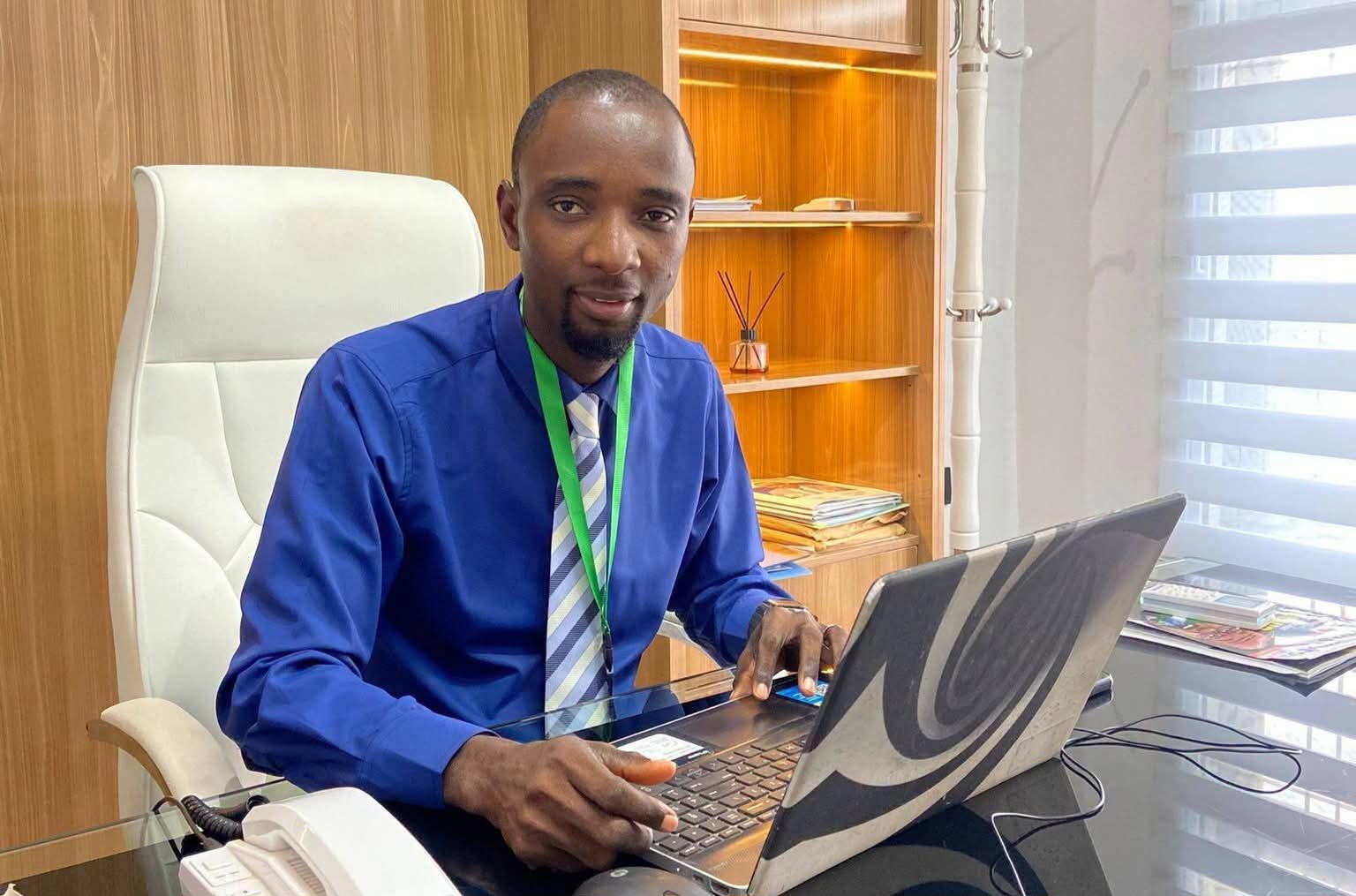
Journalist Stanley Ugabe was released from detention on Monday, July 6, 2026, at approximately 7:30 p.m. His release was secured through the direct intervention of the International Press Institute (IPI) Nigeria, with its President, Musikilu Mojeed, taking custody of Mr. Ugabe. The circumstances surrounding Mr. Ugabe's initial detention were not immediately disclosed, but his release marks a significant moment for press freedom advocates in the country.
WHO ARE THE KEY PLAYERS
**Stanley Ugabe** is the journalist whose detention and subsequent release are at the heart of this report. While details of his specific media affiliation or the nature of his work leading to his detention were not publicised, his case has become a focal point for media rights advocacy.
**IPI Nigeria** refers to the Nigerian chapter of the International Press Institute, a global organization dedicated to promoting and protecting press freedom and improving the practices of journalism. IPI Nigeria acts as a strong voice for journalists' rights, advocating against arbitrary arrests, harassment, and censorship, and pushing for a safer working environment for media professionals across the nation.
**Musikilu Mojeed** is the current President of IPI Nigeria. A highly respected and experienced Nigerian journalist, Mr. Mojeed is known for his extensive work in investigative journalism and his unwavering commitment to media ethics and press freedom. His personal involvement in securing Mr. Ugabe's release underscores the gravity of the situation and the proactive stance of IPI Nigeria.
UNDERSTANDING THE LOCATION
The events unfolded in Nigeria, Africa's most populous nation, which operates as a federal presidential republic. While Nigeria's constitution guarantees freedom of expression, the practical realities for journalists often present a stark contrast. The country is divided into six geopolitical zones – North-West, North-East, North-Central, South-West, South-East, and South-South – each with its unique socio-political dynamics that can influence the operating environment for media practitioners. Issues of press freedom, arbitrary arrests, and harassment of journalists are unfortunately not uncommon across various regions, making the work of advocacy groups like IPI Nigeria crucial.
BACKGROUND AND CONTEXT
The detention of journalists in Nigeria, often without clear charges or due process, has been a recurring concern for human rights organisations and international bodies. Historically, Nigerian journalists have faced significant risks, ranging from physical assaults and arbitrary arrests to prolonged detentions, particularly when reporting on sensitive political issues, corruption, or security matters. This pattern often creates a climate of fear, potentially leading to self-censorship and hindering the public's right to information. The intervention of organisations like IPI Nigeria is vital in challenging these occurrences and ensuring that the rights of journalists are upheld, consistent with democratic principles.
EXPLAINING IMPORTANT REFERENCES
**International Press Institute (IPI)** is a global network of editors, media executives, and leading journalists from over 100 countries, dedicated to safeguarding press freedom and promoting the free flow of news and information. Established in 1950, IPI monitors press freedom violations worldwide, campaigns against censorship, and advocates for the protection of journalists. Its Nigerian chapter, IPI Nigeria, plays a critical role in local advocacy, working with government agencies, civil society, and the media to address specific challenges faced by journalists in the country.
IMPACT ANALYSIS
The release of Stanley Ugabe is a victory for press freedom advocacy in Nigeria. It demonstrates the tangible impact that concerted efforts by media rights organisations can have in challenging instances of arbitrary detention. However, it also casts a spotlight on the underlying vulnerabilities faced by journalists in their line of duty. While Mr. Ugabe's freedom is celebrated, the incident serves as a stark reminder that the environment for journalists remains precarious. This event will likely embolden advocacy groups to intensify their calls for greater protection for journalists and adherence to due process, but it also signals to media practitioners that vigilance and solidarity are more important than ever.
WHAT HAPPENS NEXT
Following Mr. Ugabe's release, it is expected that IPI Nigeria and other media advocacy groups will continue to monitor his situation and potentially seek further clarity regarding the reasons for his detention. There may be calls for investigations into the circumstances of his arrest to prevent similar occurrences in the future. The incident will likely fuel ongoing discussions among stakeholders on strengthening legal frameworks for journalist protection and ensuring that security agencies operate within the bounds of the law when dealing with media professionals. Continued advocacy for press freedom reforms and accountability for any infringements on journalists' rights will be a priority.
HERO PERSPECTIVE
Leverage On Heroes Media views the release of Stanley Ugabe as a positive step, affirming the critical role of advocacy in safeguarding fundamental rights. However, we maintain that true press freedom is not merely about securing releases, but about fostering an environment where journalists can operate without fear of arbitrary detention in the first place. We stand firm in our belief that an unhindered press is indispensable for holding power accountable and informing the Nigerian citizenry. We call on all relevant authorities to uphold constitutional guarantees of press freedom and ensure that due process is always followed, thereby strengthening Nigeria's democratic fabric.
CLOSING
As Nigeria continues its journey as a democratic nation, the protection of journalists and the preservation of press freedom remain non-negotiable pillars. The case of Stanley Ugabe, while ending positively, underscores the ongoing need for vigilance, advocacy, and systemic reforms to ensure that those who speak truth to power can do so without fear of reprisal. Leverage On Heroes Media will continue to monitor developments and champion the cause of a free and responsible press.