
HEADLINE
Major Incident Declared in Suffolk as 90 Firefighters Tackle Wildfire Near Sizewell B Nuclear Plant
OPENING HOOK
When a wall of wind-driven flames erupts just 3 miles away from a high-security nuclear installation, local safety protocols shift from routine firefighting into a full-scale national emergency response.
WHAT HAPPENED
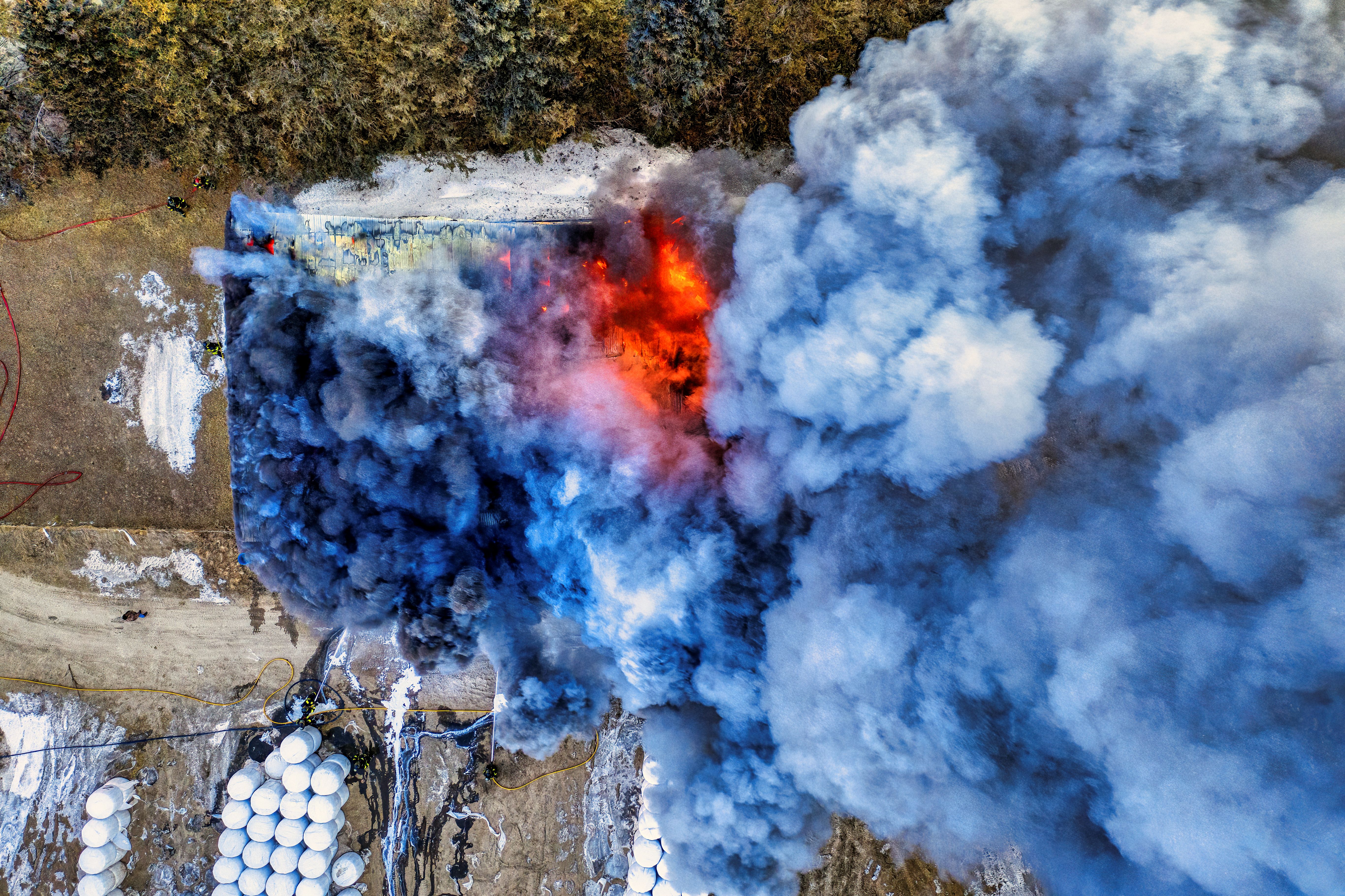
Emergency services declared a major incident after a large-scale wildfire broke out on Dunwich Heath on the Suffolk coast, drawing approximately 90 firefighters to the scene. The fire, which started shortly after 5.30pm on Wednesday, was fanned by strong winds across dry heathland. Crews remained deployed on Thursday morning to contain the spreading flames, leading to the immediate evacuation of several nearby residents and visitors as a precautionary safety measure.
WHO ARE THE KEY PLAYERS
Suffolk Fire and Rescue Service led the emergency response, coordinating multiple engines and specialist wildfire units. Local municipal authorities and police agencies assisted with the civilian evacuations, while operators of nearby critical national infrastructure monitored the situation closely to ensure plant safety.
UNDERSTANDING THE LOCATION
Dunwich Heath is a sensitive coastal nature reserve located near Leiston in the county of Suffolk, eastern England. Known for its fragile heathland habitats, the area sits approximately 5 kilometres (about 3 miles) away from the Sizewell B nuclear power station, making any major environmental hazard in the vicinity a matter of acute strategic concern.
BACKGROUND AND CONTEXT
Wildfires in the United Kingdom have historically been less frequent than in drier Mediterranean or North American climates, but changing weather patterns and prolonged dry spells have increased the vulnerability of British heathlands. Coastal locations like Dunwich feature dense vegetation and peaty soils that can burn fiercely when dry, creating immense logistical challenges for ground crews attempting to establish containment lines.
EXPLAINING IMPORTANT REFERENCES
A "major incident" is an official designation used by UK emergency services to describe an event with a range of serious consequences that requires special arrangements, multi-agency coordination, and dedicated resources beyond normal day-to-day operations. The Sizewell B installation is a pressurized water reactor nuclear power station that generates electricity, operating under stringent regulatory oversight by the Office for Nuclear Regulation to protect against external hazards such as fires and extreme weather.
IMPACT ANALYSIS
While initial reports indicate that the nuclear plant is not immediately threatened, the incident underscores the vulnerability of critical national infrastructure to escalating environmental disasters. For local communities, the immediate economic and social impact includes temporary displacement, disruption of local tourism, and smoke-related air quality concerns. Insurance and emergency relief costs will strain local municipal budgets.
WHAT HAPPENS NEXT
Fire crews will conduct dampening-down operations over the coming days to eliminate hot spots and prevent rekindling. Environmental investigators will assess the cause of the blaze, while national regulators and local authorities review emergency response coordination to evaluate whether wider buffer zones around critical installations require enhanced protection.
HERO PERSPECTIVE
The deployment of approximately 90 firefighters to Dunwich Heath highlights the intense strain placed on the Suffolk Fire and Rescue Service following the major incident declaration on Wednesday. With the blaze burning just 5km from the Sizewell B nuclear power plant, the swift containment effort underscores the critical margin between local environmental hazards and national security protocols.
CLOSING
As climate pressures mount and seasonal dry spells become more severe, the events on the Suffolk coast serve as a stark reminder of the complex interplay between environmental management, emergency preparedness, and the protection of vital national infrastructure.