
HEADLINE
Nazi shipwrecks emerge from the depths as Europe’s Danube dries up
OPENING HOOK
Record-low water levels driven by intense summer heat and prolonged drought have revealed a submerged wartime graveyard along the border of Serbia and Romania.
WHAT HAPPENED
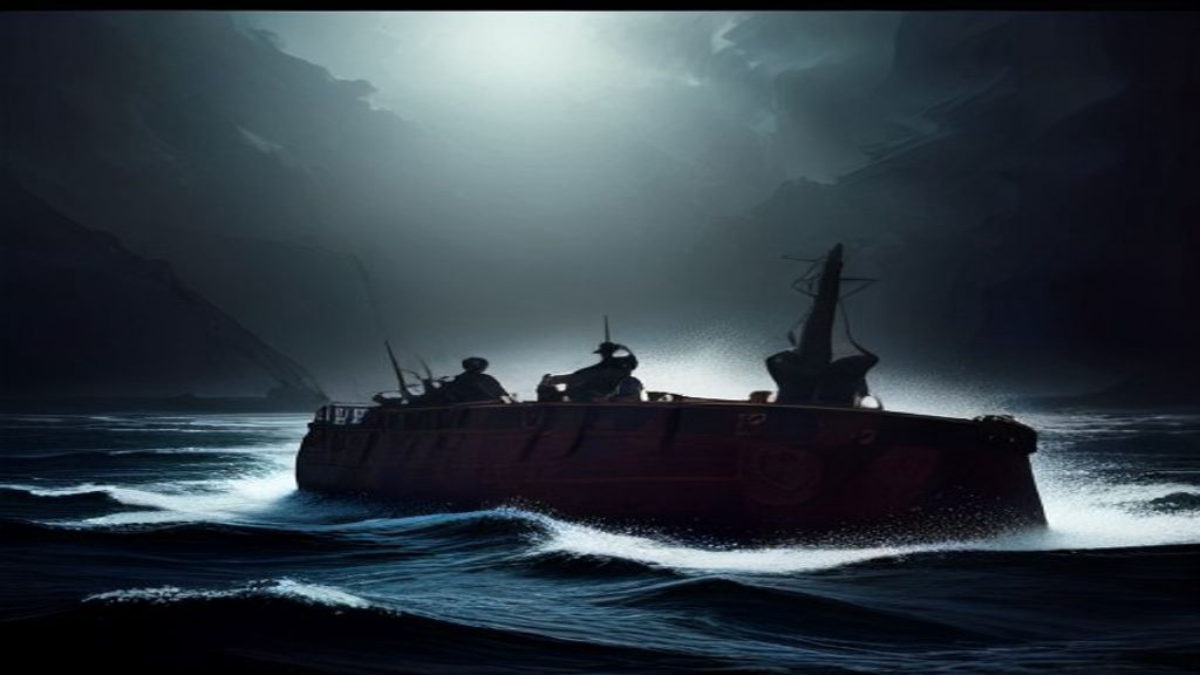
Dozens of German warships from the Second World War have emerged from the riverbed of the Danube River. The vessels, part of Nazi Germany's Black Sea fleet, were scuttled in 1944 as retreating forces tried to avoid capture by advancing Soviet troops. The receding water has not only exposed broken-up ship hulls on sandbanks but also unexploded ordnance and a military motorcycle, posing immediate safety hazards to local navigation and river communities.
WHO ARE THE KEY PLAYERS
Key figures not yet publicly identified — this article will be updated as names are confirmed
UNDERSTANDING THE LOCATION
The discoveries are concentrated near Prahovo in eastern Serbia, right along the international border shared with Romania. The Danube River is Europe's second-longest river, flowing through ten countries from Germany's Black Forest into the Black Sea. This particular stretch of the river near the Iron Gates gorge is notoriously narrow and deep, making it a historic bottleneck for naval traffic and military operations.
BACKGROUND AND CONTEXT
In 1944, Nazi Germany's Black Sea fleet was retreating up the Danube to escape the Red Army. Rather than surrender or allow the vessels to fall into enemy hands, the German fleet commander ordered hundreds of ships to be sunk. These wrecks have remained underwater for nearly eight decades, severely narrowing the navigable channel during low-tide seasons and creating persistent transport bottlenecks for cargo ships navigating between Central Europe and the Black Sea.
EXPLAINING IMPORTANT REFERENCES
Unexploded ordnance refers to military weapons—such as bombs, artillery shells, and sea mines—that were primed, fused, or loaded during a conflict but failed to detonate as intended. Scuttling means the deliberate sinking of a ship by allowing water to flow into the hull, typically executed by the vessel's own crew to prevent capture or block a channel.
IMPACT ANALYSIS
The exposure of these explosive-laden wrecks poses severe risks to commercial shipping, local fishing, and public safety. While the visible metal structures attract curious onlookers and historians, local authorities face costly operations to clear the channel safely. Furthermore, the extreme drought causing these discoveries highlights broader climate pressures affecting European river transport, agriculture, and hydroelectric power generation.
WHAT NEXT
Environmental and engineering agencies in Serbia and neighboring countries are assessing the cost and logistics of removing the wrecks and neutralizing the unexploded ordnance. Governments are expected to seek international funding and technical assistance to dredge the shipping channel and clear the explosives before navigation conditions worsen further.
HERO PERSPECTIVE
Prahovo serves as the primary site where German forces scuttled more than 200 vessels in 1944, and current drops in the Danube reveal hulls packed with tons of live ammunition. Local authorities must coordinate urgent clearance operations to prevent accidental detonations along this vital international waterway.
CLOSING
The resurfacing of these wartime relics bridges past military history with modern climate realities, reminding communities along the Danube of the enduring physical footprints left by twentieth-century conflicts.