
HEADLINE
One Billion Plastic Pellets Spill Into River Tyne Following Collision
OPENING HOOK
Imagine dumping truckloads of tiny plastic beads directly into your local fishing river or water source, choking aquatic life and ruining livelihoods overnight.
WHAT HAPPENED
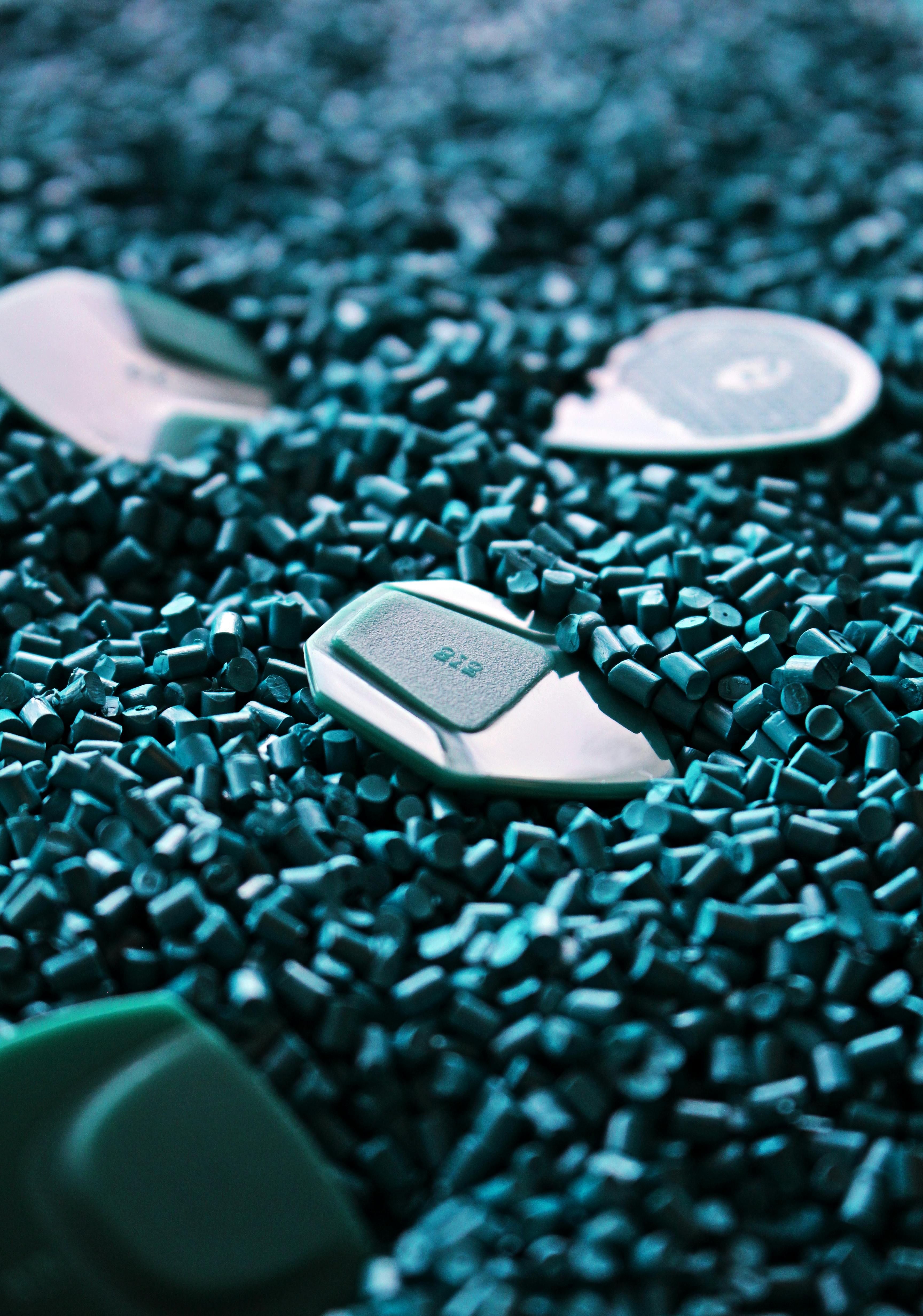
Approximately one billion tiny plastic pellets, known as nurdles, have spilled into the River Tyne following a collision involving two vessels. The spill, estimated at up to 25 tonnes of raw plastic manufacturing material, has spread much further along the waterways than initially feared, posing a major environmental threat to aquatic ecosystems and local economic activities.
WHO ARE THE KEY PLAYERS
While specific ship owners and commercial operators involved in the collision have not been fully named in early reports, environmental protection agencies, maritime authorities, and local cleanup volunteers are the primary entities responding to the crisis. They are working to contain the spread of the tiny plastic fragments before they cause permanent damage.
UNDERSTANDING THE LOCATION
This incident occurred on the River Tyne, a major waterway located in North East England that flows past major industrial and residential settlements before emptying into the North Sea. Much like major Nigerian waterways such as the River Niger or Lagos Lagoon, the River Tyne serves as a vital artery for commercial shipping, fishing, and community recreation.
BACKGROUND AND CONTEXT
Nurdles are small plastic pellets, typically measuring between one and five millimeters, that serve as the fundamental raw material for making everyday plastic items like pure water sachets, buckets, and household containers. Industrial spills of these pellets are notoriously difficult to clean up because their tiny size allows them to easily escape containment during transport, mimicking fish eggs and attracting wildlife.
EXPLAINING IMPORTANT REFERENCES
In environmental science, a 'nurdle' is a lentil-sized pellet used globally by manufacturing industries to mold larger plastic goods. When these materials spill into natural water bodies, they act as chemical sponges, absorbing toxins from surrounding waters and introducing them directly into the food chain when swallowed by fish and birds.
IMPACT ANALYSIS
For local fishermen and coastal communities, an ecological disaster of this scale translates directly to lost income and disrupted livelihoods. Similar to how oil spills or industrial chemical discharges devastate fishing communities in the Niger Delta, this massive influx of microplastic precursors threatens local water resources, aquatic life, and regional tourism.
WHAT HAPPENS NEXT
Authorities are expected to deploy specialized skimming equipment and manual cleanup crews to recover as many pellets as possible from riverbanks and shallow waters. Long-term monitoring will determine how far the pollution has traveled toward the open sea, while maritime regulators will investigate the collision to assign liability and tighten safety rules for cargo transport.
HERO PERSPECTIVE
Leverage On Heroes Media takes the editorial angle of environmental accountability, spotlighting how industrial carelessness abroad holds lessons for corporate responsibility and marine safety regulations right here in Nigeria.
CLOSING
As cleanup operations continue, the River Tyne incident serves as a stark global reminder of the fragility of aquatic ecosystems when industrial safety standards fail.