
HEADLINE
UK Farmers Face Earlier Harvest as Climate Change Alters Agricultural Calendar
OPENING HOOK
Across agricultural fields in the United Kingdom, a quiet but profound shift is underway, signaling a direct consequence of global climate change. Farmers are reporting harvest seasons arriving significantly earlier than historical norms, raising critical questions about food security and the future of farming practices.
WHAT HAPPENED
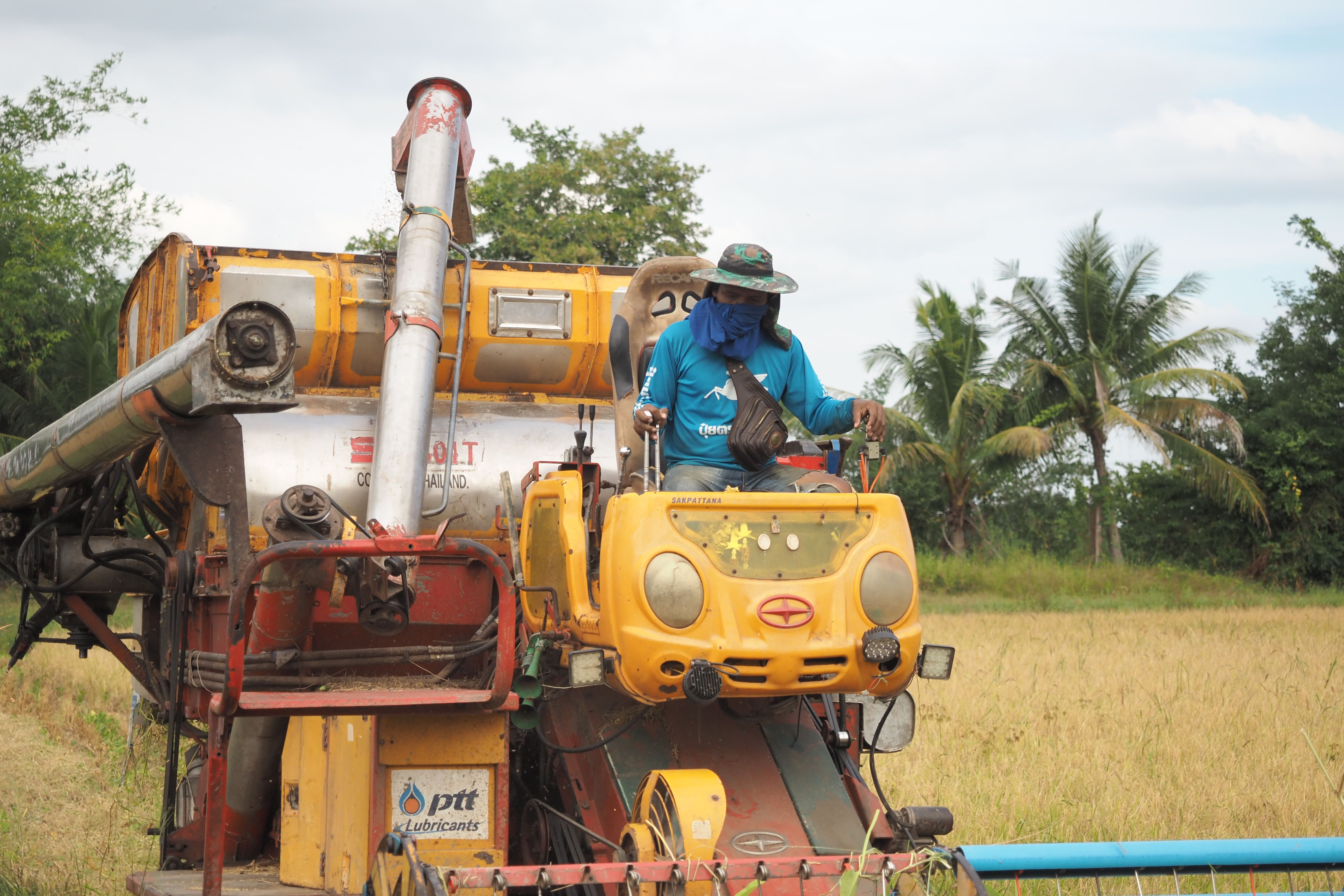
Farmers in Brigg, a key agricultural area within Lincolnshire, United Kingdom, have commenced their annual harvest approximately three weeks earlier than they did two decades ago. This accelerated timeline, noted by local farmer Colin Chappell, follows a season marked by unusual weather patterns, including winter flooding and successive heatwaves. The harvest, which typically begins with crops like winter barley for seed, then oilseed rape (OSR), followed by wheat, and finally beans often in September, is now seeing even the late-harvested beans ready for cutting by early July. The entire process is expected to span about six weeks.
WHO ARE THE KEY PLAYERS
**Colin Chappell:** A farmer operating in Brigg, Lincolnshire, whose observations provide direct evidence of the changing agricultural calendar. His insights are crucial for understanding the ground-level impact of climate shifts.
**Farmers and Agricultural Communities:** These individuals and groups are at the forefront of experiencing and adapting to climate change. Their practices and resilience are vital for maintaining food supply.
**Meteorological Agencies (e.g., UK Met Office):** These institutions provide the scientific data and forecasts on weather patterns, including temperature rises, rainfall changes, and extreme weather events, which corroborate farmers' anecdotal evidence.
**Climate Scientists and Research Institutions:** They analyze long-term climate trends, attributing changes like earlier harvests to broader global warming phenomena and advising on adaptation strategies.
UNDERSTANDING THE LOCATION
**Brigg, Lincolnshire, United Kingdom:** Brigg is a market town in the unitary authority of North Lincolnshire, England. Lincolnshire itself is a large county in the East Midlands region, renowned for its extensive agricultural lands. Often referred to as 'breadbasket of England,' it is a major producer of cereals, oilseeds, and root crops. The flat, fertile plains of Lincolnshire are highly conducive to farming, making it an ideal location to observe the impacts of climate change on agriculture, much like the fertile plains of the North-Central or North-West geopolitical zones in Nigeria are crucial for our food production.
BACKGROUND AND CONTEXT
The phenomenon of an earlier harvest is a clear symptom of climate change, a global challenge characterized by long-term shifts in temperatures and weather patterns. Over the past few decades, scientific data has consistently shown a rise in average global temperatures. This warming trend impacts growing seasons, leading to earlier flowering, fruiting, and ripening of crops. In the UK, as in many parts of the world including Nigeria, agriculture is highly sensitive to weather variations. The occurrence of winter flooding, which can damage crops and delay planting, followed by intense heatwaves, which accelerate growth but can also stress plants, creates a challenging environment for farmers. Historically, harvest times have been relatively stable, allowing farmers to plan their operations with predictability. The current deviation from this historical norm highlights the urgency of climate adaptation strategies.
EXPLAINING IMPORTANT REFERENCES
**Harvest Time:** This refers to the period when mature crops are gathered from the fields. It is a critical phase in the agricultural cycle, determining the yield and quality of food available.
**Winter Barley for Seed:** A type of barley planted in autumn, which then overwinters and is harvested the following summer. It's often grown specifically for its seeds to be replanted or used in brewing.
**Oilseed Rape (OSR):** A bright yellow flowering crop grown primarily for its oil-rich seeds, which are used to produce cooking oil, animal feed, and biodiesel. It's a significant cash crop in the UK.
**Wheat:** A staple cereal grain, widely cultivated globally, including extensively in Nigeria's northern regions. It is a primary ingredient for bread, pasta, and other food products.
**Beans:** Legumes rich in protein and fiber, often harvested later in the season. They are important for human consumption and for improving soil fertility.
**Combine:** A large, complex agricultural machine used to efficiently harvest a variety of grain crops. It combines the tasks of reaping, threshing, and winnowing in a single process, making it indispensable for large-scale farming operations.
**Winter Flooding and Heatwaves:** These are extreme weather events. Winter flooding occurs when excessive rainfall causes rivers to overflow or land to become waterlogged, damaging crops and infrastructure. Heatwaves are prolonged periods of abnormally hot weather, which can lead to drought conditions, crop stress, and reduced yields if not managed properly. Both are becoming more frequent and intense due to climate change.
IMPACT ANALYSIS
The shift in harvest times carries significant implications. For farmers like Mr. Chappell, an earlier harvest means adjusting planting schedules, managing labor, and deploying machinery sooner than anticipated. While a longer growing season might seem beneficial, the accompanying extreme weather – floods and heatwaves – can severely reduce yields and quality, increasing financial risks for farmers. For consumers, these agricultural disruptions could eventually translate into higher food prices or reduced availability of certain produce, similar to how local market prices for grains in Nigeria can fluctuate based on harvest success in key agricultural states. Furthermore, the reliance on advanced machinery like air-conditioned combines, while improving efficiency, also points to the increased operational costs and technological demands placed on modern farming in a changing climate.
WHAT HAPPENS NEXT
As climate change continues to influence global weather patterns, farmers will likely face ongoing challenges requiring innovative adaptation strategies. This could include developing new crop varieties that are more resilient to extreme weather, implementing advanced irrigation systems to cope with droughts, and adopting precision agriculture techniques to optimize resource use. Governments and agricultural research institutions are expected to play a crucial role in supporting these transitions through funding, research, and policy development. From a global perspective, these local observations in the UK serve as a warning and a call to action for all nations, including Nigeria, to invest in climate-resilient agriculture to safeguard food security for future generations.
HERO PERSPECTIVE
Leverage On Heroes Media views the accelerating harvest in the UK as a poignant testament to the undeniable and immediate impacts of climate change on our global food systems. This is not a distant future scenario but a present reality that demands urgent attention and decisive action. Our editorial stance is that understanding these local shifts is critical for informing broader strategies for climate adaptation and mitigation, particularly for vulnerable nations like Nigeria. We must champion sustainable agricultural practices, invest in climate research, and foster international cooperation to ensure that the heroes who feed us – our farmers – are equipped to navigate this new, unpredictable reality. Protecting our planet means protecting our plate.
CLOSING
The fields of Brigg, Lincolnshire, tell a story of accelerated change. As the combines roll through crops three weeks ahead of schedule, they underscore a global narrative: climate change is here, and its effects on agriculture are profound. The world watches, and must act, as farmers innovate to feed a planet facing an uncertain future.