
HEADLINE
UN Chief Warns Climate Crisis Is In Overdrive As El Niño Threatens Severe Global Impacts
OPENING HOOK
As deadly wildfires sweep across regions of Europe, top global leaders have issued an urgent warning that planetary heating has accelerated into a critical phase.
WHAT HAPPENED
United Nations Secretary-General António Guterres announced on Friday that the ongoing climate crisis is operating in overdrive, cautioning that current global temperature spikes serve merely as a preliminary warning. Speaking alongside international diplomats, Guterres tied the escalating severity of natural disasters directly to the amplification of greenhouse gas emissions. A parallel report released on Friday by the World Meteorological Organisation projects that the weather phenomenon known as El Niño will expand significantly in the coming months, driving further atmospheric instability.
WHO ARE THE KEY PLAYERS
António Guterres serves as the Secretary-General of the United Nations, heading the international body tasked with maintaining global peace and coordinating sustainable development policies. The World Meteorological Organisation functions as the specialized agency of the UN responsible for securing Earth's atmosphere, operational hydrology, and geophysic observations. Foreign ministers from the United Kingdom, France, and Spain also contributed to the joint international diplomatic push for accelerated emissions reductions.
UNDERSTANDING THE LOCATION
Global climate systems affect regions differently, with European nations currently grappling with unprecedented wildfire outbreaks due to prolonged dry spells and soaring temperatures. In Nigeria and other West African nations, changing weather patterns similarly manifest as erratic rainfall, prolonged dry seasons, and severe desertification encroaching upon the northern states, directly impacting local agricultural yields and food transport costs.
BACKGROUND AND CONTEXT
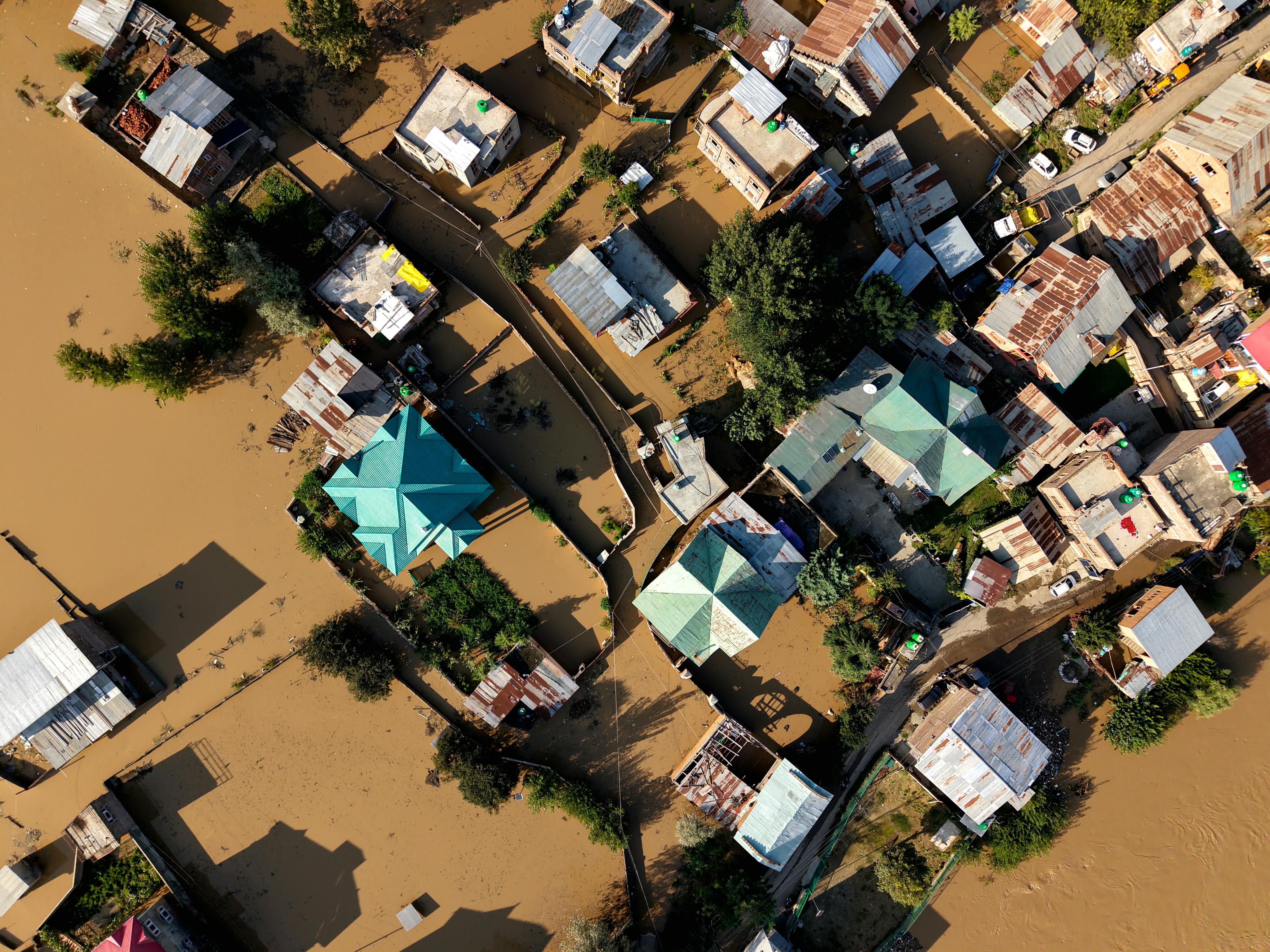
El Niño is a naturally occurring climate pattern associated with warming surface waters in the central and eastern tropical Pacific Ocean. Historically, this phenomenon alters global atmospheric circulation, triggering droughts in some regions and heavy floods in others. When combined with long-term human-induced global heating driven by fossil fuel combustion and industrial emissions, El Niño acts as an accelerant, pushing seasonal weather extremes far beyond historical norms.
EXPLAINING IMPORTANT REFERENCES
Greenhouse gas emissions refer to the release of gases—such as carbon dioxide and methane—into the atmosphere, which trap heat from the sun and cause the planet to warm up. The World Meteorological Organisation is the official scientific voice of the UN system on weather, climate, and water.
IMPACT ANALYSIS
Accelerated climate shifts threaten global food security, public health systems, and infrastructural integrity. For developing economies, including Nigeria, heightened climate volatility increases the cost of food production and strains local markets, requiring significant financial buffers for climate adaptation and disaster response.
WHAT HAPPENS NEXT
International climate negotiators will review the latest World Meteorological Organisation projections ahead of upcoming global summits. Governments worldwide face mounting pressure to revise their national climate action plans and fast-track investments into renewable energy infrastructure.
HERO PERSPECTIVE
The World Meteorological Organisation report published on Friday explicitly links the current wave of deadly wildfires to the convergence of long-term global warming and the onset of El Niño. This scientific assessment underlines the immediate necessity for member states to meet their Paris Agreement emission reduction targets before seasonal weather anomalies become permanent structural crises.
CLOSING
The convergence of El Niño and accelerating global heating underscores an unprecedented ecological test for the international community, demanding immediate and coordinated mitigation strategies.