
HEADLINE
Unseen Forest Allies: Belgian Research Reveals Fungi Communicate Amidst Metal Pollution, Offering Insights for Global Ecosystems
OPENING HOOK
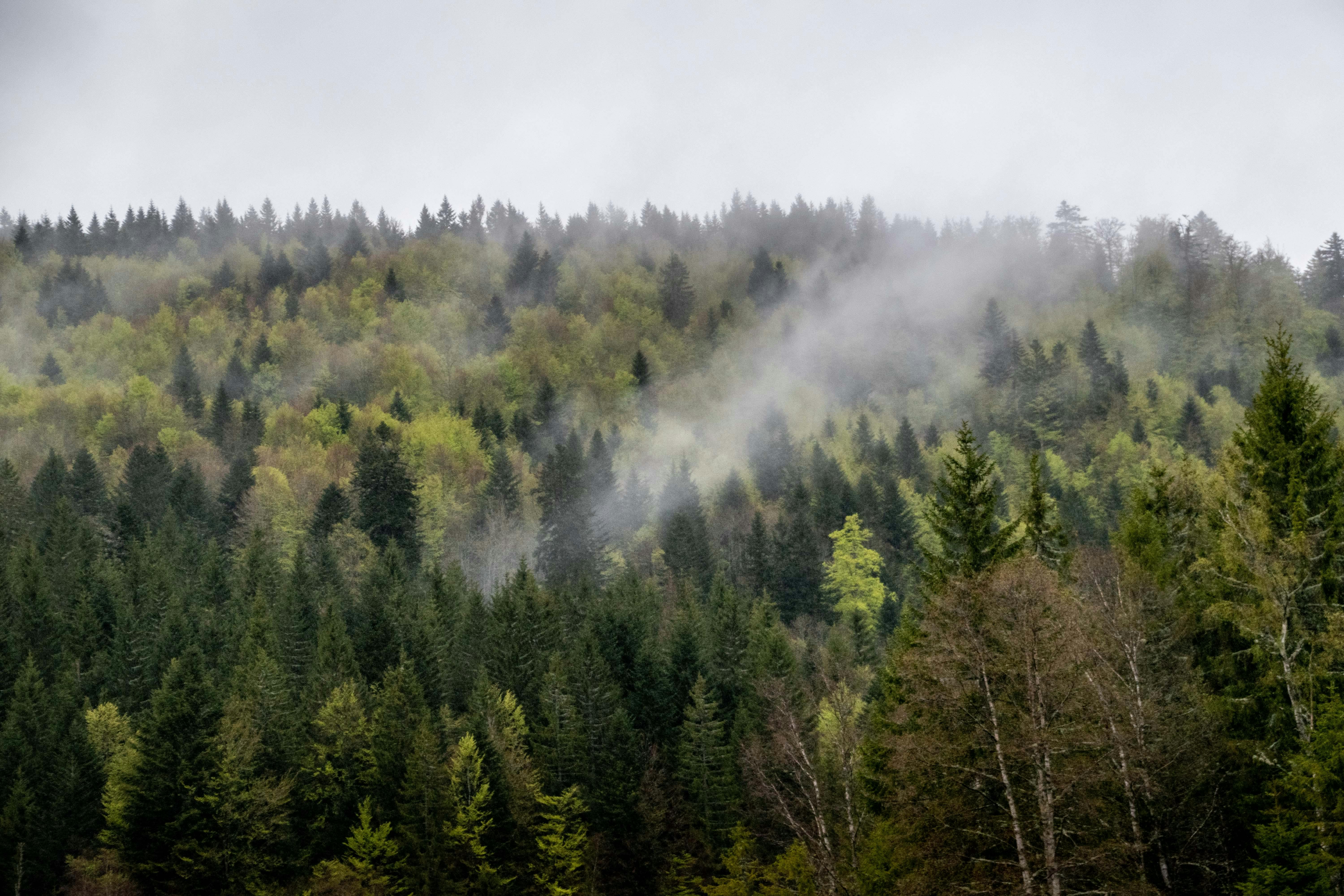
Beneath the lush canopy of our forests lies a hidden world of intricate connections, a silent network crucial for the very survival of trees. Now, groundbreaking research is shedding light on how these unseen allies — fungi — not only sustain their tree partners but also adapt their vital communication channels when faced with environmental threats like metal pollution.
WHAT HAPPENED
Recent Ph.D. research by Maarten Ottaway at the Vrije Universiteit Brussel (VUB) has uncovered compelling evidence that fungi engage in complex communication with one another, particularly when their forest environments are contaminated by heavy metals. This investigation deepens our understanding of the ancient symbiotic relationship between trees and fungi, revealing how this partnership endures and responds under the severe stress of metal pollution.
WHO ARE THE KEY PLAYERS
The central figure in this scientific breakthrough is **Maarten Ottaway**, a dedicated researcher whose doctoral work has significantly advanced the field of forest ecology. His studies at the **Vrije Universiteit Brussel (VUB)**, a prominent university located in Brussels, Belgium, represent a crucial contribution to understanding environmental resilience. VUB is known for its strong research focus across various disciplines, including life sciences and environmental studies, fostering innovative scientific inquiry that has global relevance.
UNDERSTANDING THE LOCATION
While the specific geographical location of Ottaway's research was not detailed, the study focuses on **forest ecosystems**. Forests are vital natural habitats found across the globe, including significant tracts in Nigeria like the Cross River National Park and the Omo Forest Reserve. These environments are complex systems where trees, fungi, soil, and other organisms interact. The research highlights that even seemingly pristine forests can be vulnerable to invisible threats like soil pollution, impacting their health and the biodiversity they support.
BACKGROUND AND CONTEXT
For millennia, trees and fungi have coexisted in a remarkable partnership known as **mycorrhizal symbiosis**. This is a 'win-win' relationship where fungi grow on or inside tree roots, helping the trees absorb water and vital nutrients like phosphorus and nitrogen from the soil, while the trees, through photosynthesis, provide the fungi with sugars. This underground network, often dubbed the 'wood wide web', is fundamental to forest health and resilience. However, human activities, particularly industrial processes and improper waste disposal, have led to increased **metal pollution** in soils, posing a significant threat to these delicate ecosystems. Understanding how this ancient partnership responds to such modern challenges is critical for conservation efforts.
EXPLAINING IMPORTANT REFERENCES
At the heart of this study are **fungi**, a diverse group of organisms that include mushrooms, yeasts, and molds. In forests, many fungi form **mycorrhizal networks** – an extensive underground web of fungal threads (hyphae) that connect trees, allowing them to share resources and even signal danger. This network is essentially the 'internet' of the forest, facilitating communication and nutrient exchange. **Metal pollution** refers to the accumulation of heavy metals like lead, cadmium, and mercury in the soil. These metals are toxic and can hinder plant growth, disrupt microbial activity, and enter the food chain. The study's key finding is that fungi, even under such stress, maintain their ability to **communicate** – likely through chemical signals – to adapt their strategies for survival and support their tree partners.
IMPACT ANALYSIS
This research carries significant implications, particularly for countries like Nigeria, which face challenges with environmental degradation. Understanding how fungi adapt to metal pollution can inform strategies for **reforestation and ecological restoration** in areas affected by artisanal mining, industrial waste, or oil spills, common issues across various geopolitical zones. By identifying resilient fungal species or understanding their communication mechanisms, we could develop more effective bioremediation techniques – using living organisms to clean up pollutants. Furthermore, the findings underscore the intricate balance of nature, emphasizing that invisible threats below ground can have profound impacts on the visible forest above, affecting everything from timber yield to climate regulation.
WHAT HAPPENS NEXT
Following Ottaway's Ph.D. research, the scientific community will likely pursue further investigations into the specific chemical signals fungi use for communication under stress. There's potential for follow-up studies to identify specific fungal species that are more resilient to particular metal pollutants, which could be invaluable for ecological engineering and land reclamation projects. Policy implications might include developing stricter regulations on industrial waste disposal and promoting sustainable mining practices to protect these vital underground networks. Future research may also explore how these findings can be applied in agricultural settings to enhance crop resilience in metal-contaminated soils.
HERO PERSPECTIVE
Leverage On Heroes Media believes that understanding the hidden complexities of our natural world is paramount to protecting it. This research by Maarten Ottaway illuminates the heroic resilience of nature's smallest architects – fungi – in their silent struggle against pollution. It serves as a powerful reminder that our environmental policies and conservation efforts must extend beyond what is visible, delving into the intricate, often unseen, dynamics that sustain life. Our editorial stance is to champion scientific inquiry that reveals these vital truths, empowering informed decisions for a healthier planet and more resilient ecosystems for future generations.
CLOSING
The revelations from the Vrije Universiteit Brussel offer a critical new lens through which to view forest health, reminding us that even in the face of environmental adversity, nature's intricate systems possess remarkable capacities for adaptation and communication, capacities we must strive to understand and protect.