
HEADLINE
UK Extreme Heat Prompts Cobra Emergency Meeting Amid Wildfires and Drought
OPENING HOOK
As scorching temperatures threaten to hit 38 degrees Celsius on Thursday, the British government is elevating its response to severe weather emergencies by convening top disaster planners.
WHAT HAPPENED
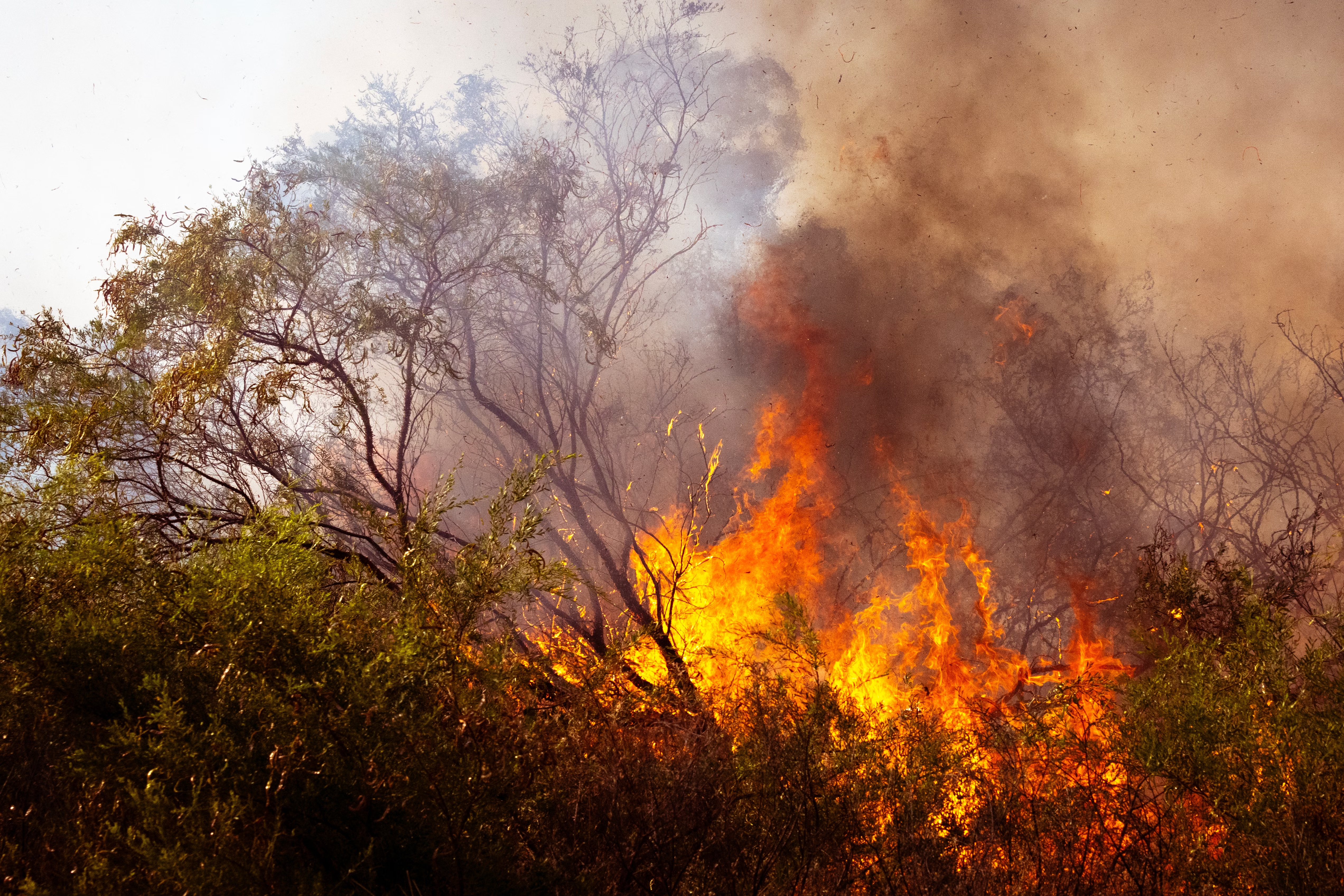
Prime Minister Keir Starmer is chairing a meeting of the Cobra emergency committee on Wednesday to coordinate a national response to extreme heatwaves, ongoing wildfires, and widespread drought conditions. High temperatures are forecasted to reach 33 degrees Celsius on Wednesday afternoon before climbing further to 38 degrees Celsius on Thursday, placing immense strain on local emergency services and critical infrastructure across the United Kingdom.
WHO ARE THE KEY PLAYERS
Keir Starmer, Prime Minister of the United Kingdom, is leading the government response from Downing Street. Andy Burnham, Mayor of Greater Manchester, is participating in high-level discussions alongside government ministers, civil servants, and representatives from emergency response agencies.
UNDERSTANDING THE LOCATION
The United Kingdom is an island nation in northwestern Europe comprising England, Scotland, Wales, and Northern Ireland. Its temperate maritime climate is unaccustomed to prolonged extreme heatwaves above 35 degrees Celsius, making urban centers and rural infrastructure particularly vulnerable to heat stress and dry-spell disruptions.
BACKGROUND AND CONTEXT
In recent years, the UK has experienced increasingly frequent summer heatwaves linked to broader European climate shifts. Prolonged periods of below-average rainfall deplete river levels and soil moisture, creating dry tinderbox conditions that ignite severe wildfires across rural moorlands and forests, stretching rescue personnel and firefighting equipment to their operational limits.
EXPLAINING IMPORTANT REFERENCES
The term "Cobra" refers to Cabinet Office Briefing Rooms, the central crisis management committee of the UK government. This cross-departmental body brings together senior ministers, civil servants, police, intelligence agencies, and emergency planners to manage national emergencies, major accidents, and natural disasters.
IMPACT ANALYSIS
The extreme heat is disrupting daily life across Britain, forcing transport authorities to implement speed restrictions to prevent buckling railway tracks, while healthcare systems manage an influx of heat-related illnesses. Agricultural sectors face severe crop stress from drought conditions, threatening domestic food supply chains and increasing operational costs for farmers.
WHAT HAPPENS NEXT
Emergency services remain on high alert through the peak of the heatwave on Thursday, with localized fire bans and water conservation advisories expected to remain in place. Meteorologists and municipal authorities will assess long-term infrastructure adaptations needed to protect urban and rural populations from future extreme weather events.
HERO PERSPECTIVE
Prime Minister Keir Starmer convened the Cobra emergency committee on Wednesday to address forecasts reaching 38C and active wildfires. This top-level crisis response activates inter-agency coordination mechanisms across the United Kingdom to mitigate drought impacts and infrastructure failures.
CLOSING
As climate pressures mount across Europe, the British government's emergency response highlights the urgent necessity for robust disaster preparedness and long-term climate resilience planning across all municipal and national agencies.