
HEADLINE
Catnip Lotion Emerges as Powerful Mosquito Repellent, Matching DEET in African Trials
OPENING HOOK
The relentless buzz of mosquitoes and the constant threat of diseases like malaria are all too familiar in many parts of Nigeria and across Africa. For decades, the search for effective, affordable, and readily available repellents has been a critical public health priority. Now, a new study from Uganda offers a beacon of hope, suggesting that a humble herb long known for its effect on felines might hold a powerful key to keeping these disease vectors at bay.
WHAT HAPPENED
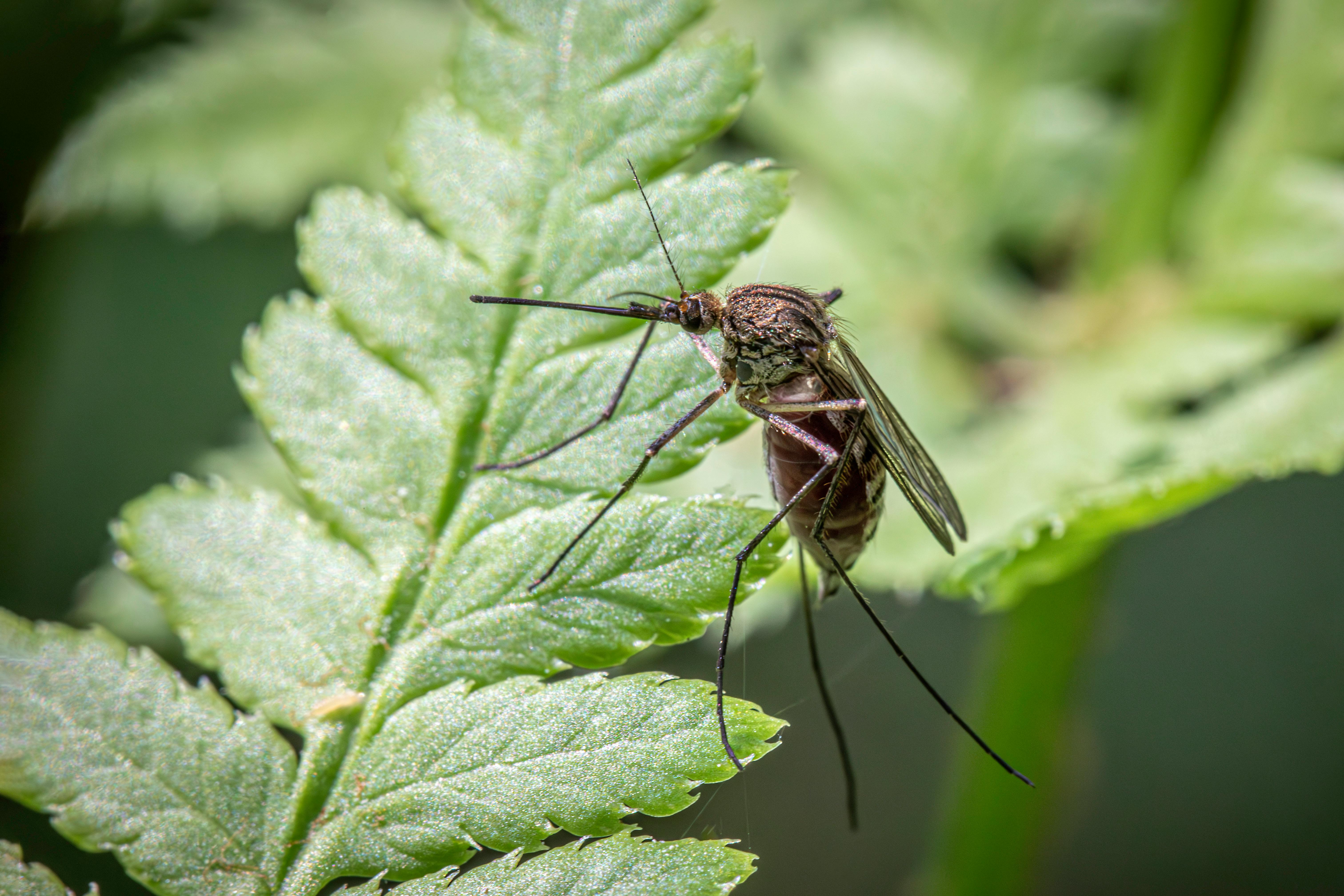
Researchers conducting trials in Uganda have announced a significant scientific breakthrough: a lotion derived from catnip, a common herb, has proven to be just as effective as DEET (N,N-Diethyl-meta-toluamide), the synthetic chemical considered the global standard in mosquito repellents. This locally-developed catnip lotion successfully repelled mosquitoes, demonstrating a potent, natural alternative to existing commercial products.
WHO ARE THE KEY PLAYERS
The primary 'players' in this development are the **research teams** in Uganda responsible for conducting the trials, though specific names of individuals or institutions were not disclosed in the initial reports. Their work focused on **Catnip (Nepeta cataria)**, a plant from the mint family, and its active chemical compound, **nepetalactone**. The effectiveness of this natural solution was benchmarked against **DEET**, the long-established synthetic repellent. Ultimately, the biggest 'beneficiary' or 'player' stands to be the general public, particularly those in mosquito-endemic regions like Nigeria.
UNDERSTANDING THE LOCATION
The trials were conducted in **Uganda**, an East African nation sharing many environmental and public health characteristics with Nigeria. Both countries are situated in tropical zones, making them highly susceptible to mosquito-borne diseases. The fact that this research was carried out in an African setting, using a 'homegrown' solution, is particularly significant. It means the findings are directly relevant to the ecological conditions and public health challenges faced by millions across the continent, including the diverse geopolitical zones of Nigeria where mosquitoes thrive.
BACKGROUND AND CONTEXT
Mosquitoes are not just a nuisance; they are vectors for some of the deadliest diseases known to humanity, including malaria, yellow fever, and dengue fever. In Nigeria, malaria alone accounts for a significant portion of morbidity and mortality, placing immense strain on healthcare systems and household incomes. For years, **DEET** has been the most effective and widely recognized chemical repellent, offering reliable protection. However, its cost, potential for skin irritation in some individuals, and the desire for more natural, sustainable alternatives have driven ongoing research. Interestingly, the insect-repelling properties of catnip have been observed for a while, particularly the chemical **nepetalactone**, but its commercialization as a repellent has not been widespread until now.
EXPLAINING IMPORTANT REFERENCES
- **DEET (N,N-Diethyl-meta-toluamide):** This is a synthetic chemical compound that has been the most common active ingredient in insect repellents since its development by the U.S. Army in 1944. It works by interfering with mosquitoes' ability to smell humans. While highly effective, it can be costly to import and has a distinct odour.
- **Catnip (Nepeta cataria):** A perennial herb belonging to the mint family, native to Europe, Asia, and Africa. It's famous for causing a euphoric effect in many cats. The plant's leaves and stems contain essential oils that have long been used in traditional medicine.
- **Nepetalactone:** This is the organic compound found in catnip that is responsible for both its allure to felines and its potent insect-repelling qualities. It is believed to work by activating certain receptors in insects, causing them to avoid the treated area.
- **Mosquito-borne diseases:** These are illnesses transmitted to humans through the bites of infected mosquitoes. In Nigeria, **Malaria** is endemic, caused by the Plasmodium parasite transmitted by Anopheles mosquitoes. **Yellow Fever** and **Dengue Fever**, both viral diseases transmitted by Aedes mosquitoes, also pose public health threats.
IMPACT ANALYSIS
The implications of this discovery for Nigeria and other African nations are profound. Firstly, it offers a potentially **affordable and accessible alternative** to imported DEET-based repellents. For many Nigerian families, especially in rural areas, the cost of effective repellents can be prohibitive. A locally-producible catnip lotion could significantly reduce this barrier. Secondly, it opens avenues for **local economic development**. The cultivation and processing of catnip could create jobs and stimulate local economies across Nigeria's geopolitical zones. Thirdly, a natural repellent might address concerns some consumers have about synthetic chemicals, potentially leading to **higher adoption rates**. Improved access to effective repellents would directly contribute to reducing the incidence of mosquito-borne diseases, easing the burden on public health infrastructure and improving quality of life.
WHAT HAPPENS NEXT
While promising, this research is just the beginning. The next steps will likely involve larger-scale clinical trials to further validate the repellent's efficacy and, crucially, its long-term safety for human use. Regulatory bodies, such as Nigeria's National Agency for Food and Drug Administration and Control (NAFDAC), would need to approve the product before widespread commercialization. Research into optimal formulation, shelf life, and mass production methods would also be essential. There is also potential for collaboration between Ugandan researchers and Nigerian scientific institutions to explore local catnip varieties and cultivation, paving the way for a truly African solution to an African challenge.
HERO PERSPECTIVE
Leverage On Heroes Media views this scientific advancement as a powerful testament to the potential of local innovation and natural resources in tackling pressing public health challenges. We believe this research highlights the critical need for continued investment in scientific inquiry within Africa, focusing on solutions that are not only effective but also culturally relevant, economically viable, and environmentally sustainable. This catnip discovery embodies the spirit of self-reliance and ingenuity, offering a tangible pathway towards better health outcomes for millions of Nigerians and our continental neighbours.
CLOSING
The possibility of a simple, natural herb providing robust protection against disease-carrying mosquitoes is a compelling narrative of hope and scientific ingenuity. As the world grapples with persistent health threats, such innovations from within the continent offer a powerful reminder that the solutions to Africa's challenges often lie within its own rich biodiversity and intellectual capital.