
HEADLINE
Fire Outbreak at Lagos Airport Terminal 2 Sparks Safety Review
OPENING HOOK
Travelers and airport workers experienced moments of panic as thick smoke billowed from a section of the bustling domestic terminal in Nigeria's commercial nerve center.
WHAT HAPPENED
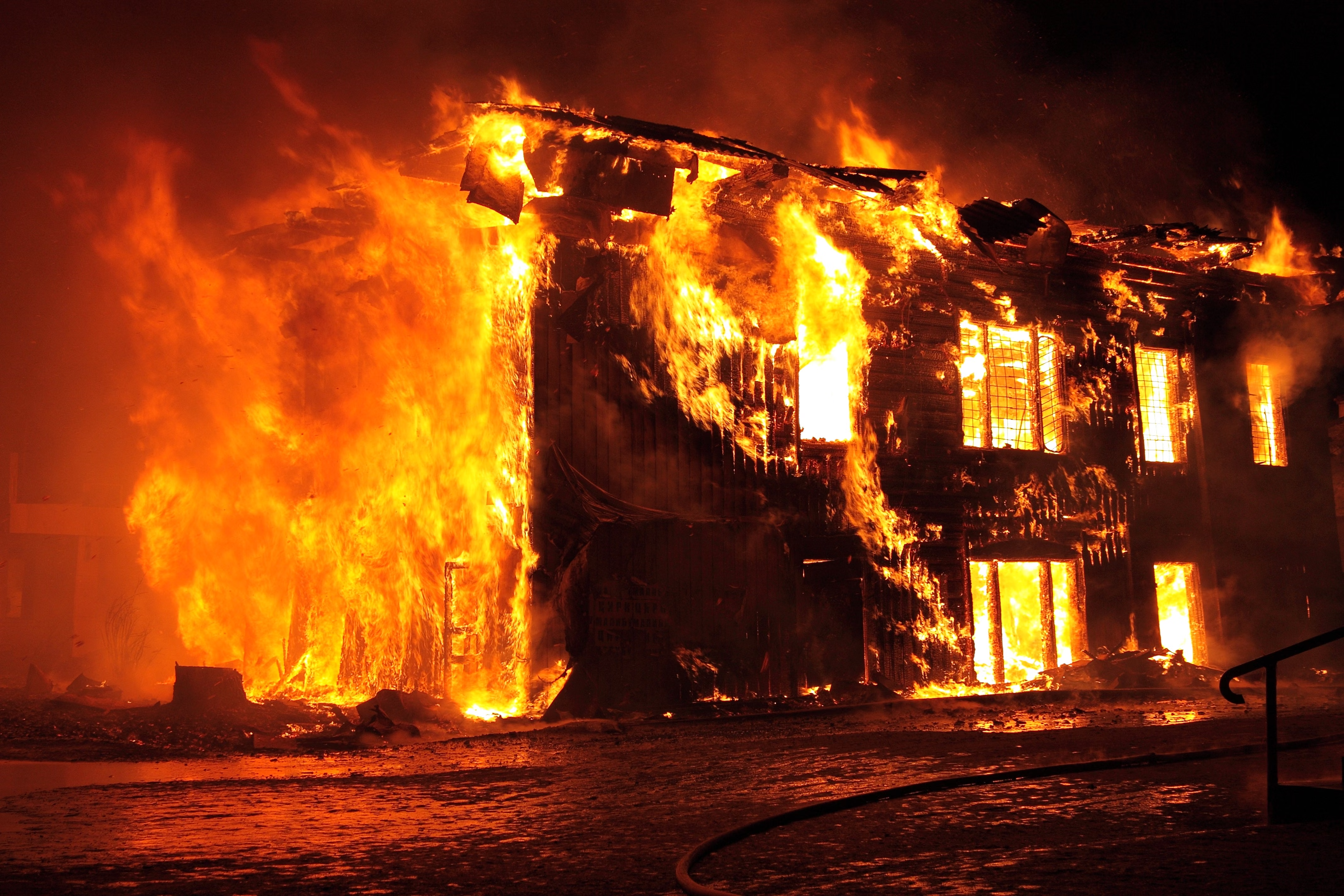
A fire incident was reported at Terminal 2 of the Murtala Muhammed International Airport in Lagos, prompting an immediate evacuation of passengers and staff from the affected areas. Emergency response teams, including airport firefighters and safety personnel, quickly moved in to contain the situation and prevent the flames from spreading further into critical operational zones. Normal flight operations experienced brief disruptions as safety protocols were activated to safeguard lives and property.
WHO ARE THE KEY PLAYERS
The Federal Airports Authority of Nigeria, the federal government agency responsible for managing all commercial airports in the country and ensuring safety compliance, led the emergency response. Airport security personnel, airline ground staff, and federal fire service units also played critical roles in managing the evacuation and containment efforts.
UNDERSTANDING THE LOCATION
The incident occurred at Terminal 2, commonly known as the MMA2 domestic terminal, located in Ikeja, Lagos State, in the South-West geopolitical zone of Nigeria. This facility handles a heavy volume of daily domestic flights connecting major Nigerian cities like Abuja, Port Harcourt, and Kano, making it one of the busiest aviation hubs in West Africa.
BACKGROUND AND CONTEXT
Aviation safety infrastructure in Nigeria has historically faced intense scrutiny regarding emergency preparedness and rapid response capabilities. Regulatory oversight by agencies like the Nigerian Civil Aviation Authority mandates strict adherence to fire safety drills and equipment maintenance across all terminal buildings to protect the millions of passengers who pass through these facilities annually.
EXPLAINING IMPORTANT REFERENCES
The Federal Airports Authority of Nigeria is the statutory body tasked with the administration and maintenance of federal airports, ensuring they meet international safety standards set by the International Civil Aviation Organization. Terminal 2 operates under a concession agreement, involving private sector management in partnership with federal oversight to maintain service quality and infrastructure standards.
IMPACT ANALYSIS
While the swift containment of the fire minimized structural damage, the incident highlights potential vulnerabilities in airport facility maintenance and the high cost of emergency equipment replacement. Passengers faced temporary boarding delays, which could impact airline schedules and operational revenue if technical investigations reveal underlying electrical faults that require extended repairs.
WHAT HAPPENS NEXT
Aviation authorities are expected to conduct a comprehensive forensic investigation to determine the exact root cause of the fire, whether electrical surge or equipment failure. The findings will dictate whether mandatory safety audits and equipment upgrades will be enforced across other domestic and international terminals nationwide.
HERO PERSPECTIVE
The Federal Airports Authority of Nigeria confirmed that emergency response teams were deployed immediately following the fire incident at Murtala Muhammed International Airport Terminal 2. This rapid activation highlights the critical importance of maintaining functional safety protocols under the civil aviation regulations governing Nigerian airports. Ongoing investigations by safety inspectors will determine the exact compliance lapses or electrical faults responsible for the outbreak.
CLOSING
As investigations proceed, aviation stakeholders continue to emphasize the necessity of proactive infrastructure maintenance to guarantee passenger safety across all Nigerian transport hubs.