
HEADLINE
Groundbreaking Mouse Study Uncovers Specific Brain Cells Driving Prolonged Fear and Anxiety
OPENING HOOK
Anxiety disorders cast a long shadow over the lives of more than 300 million people worldwide, including many Nigerians facing daily stressors. For years, medical science has grappled with understanding the intricate brain mechanisms behind these debilitating conditions. Now, a significant breakthrough offers new insights, potentially reshaping how we approach treatment.
WHAT HAPPENED
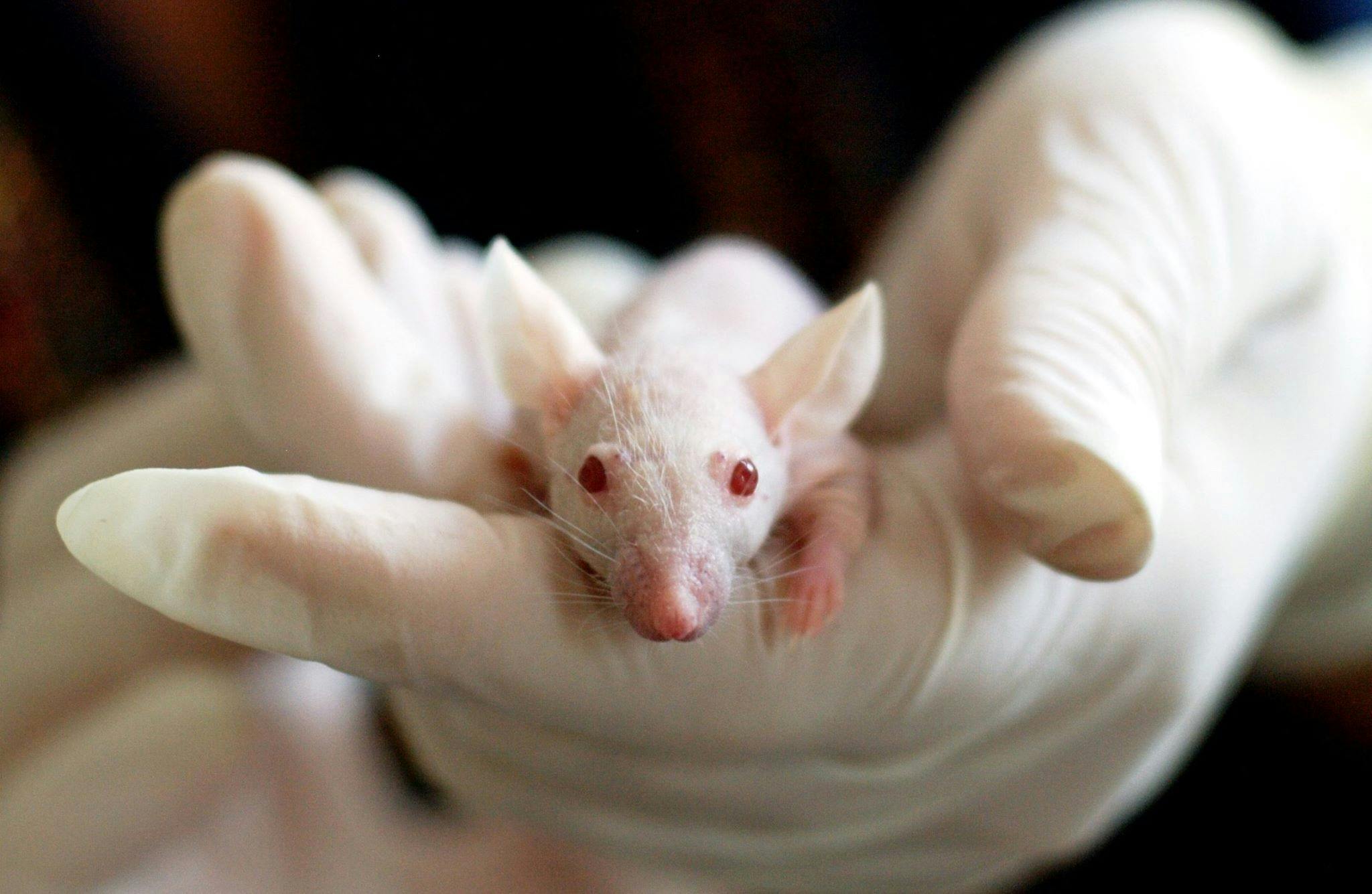
Researchers at the renowned St. Jude Children's Research Hospital have identified a specific type of nerve cell, known as C1 neurons, as a critical factor in the development of prolonged fear and anxiety in mice. Their study revealed that while these neurons normally show temporary activity during stressful situations, their sustained activation can lead to heightened anxiety-like behaviours that persist for several days. Crucially, when the scientists inhibited, or blocked, the activity of these C1 neurons, the anxiety-like behaviours in the mice were significantly reduced, pointing to a direct link.
WHO ARE THE KEY PLAYERS
**St. Jude Children's Research Hospital**: This is a leading paediatric treatment and research facility located in Memphis, Tennessee, in the United States. Founded by entertainer Danny Thomas in 1962, St. Jude is globally recognised for its pioneering work in understanding, treating, and defeating childhood cancer and other life-threatening diseases. Uniquely, families never receive a bill from St. Jude for treatment, travel, housing, or food, allowing them to focus solely on their child's health. The institution's commitment extends beyond direct patient care to groundbreaking scientific research, as demonstrated by this study.
**The Researchers**: A team of dedicated scientists at St. Jude, whose collective expertise in neuroscience and molecular biology made this complex discovery possible. While specific individual names were not highlighted in the initial report, their collaborative effort underscores the hospital's research prowess.
**Mice**: In this context, mice are the animal models used for the study. They are commonly employed in neuroscience research due to similarities in brain structure and function with humans, allowing scientists to conduct experiments that would not be possible with human subjects.
UNDERSTANDING THE LOCATION
The research itself was conducted within the advanced laboratories of St. Jude Children's Research Hospital in **Memphis, Tennessee, USA**. Memphis is a major city in the southwestern part of Tennessee, known for its rich musical heritage and its position as a significant economic and cultural hub in the Southern United States. The hospital's location there has made it a beacon of medical innovation in the region and globally.
BACKGROUND AND CONTEXT
Anxiety disorders are not merely fleeting worries; they are serious mental health conditions characterised by excessive, persistent fear and worry, often accompanied by physical symptoms like heart palpitations, sweating, and trembling. Historically, research has identified various brain regions involved in anxiety, such as the amygdala and prefrontal cortex. However, the precise neural circuits—the 'wiring' that connects these regions and drives prolonged anxiety—have remained largely a mystery. This study bridges a significant gap in that understanding, moving beyond identifying regions to pinpointing specific cellular drivers.
EXPLAINING IMPORTANT REFERENCES
- **C1 neurons**: These are specialised nerve cells found in the brainstem, a part of the brain that connects the cerebrum with the spinal cord. What makes C1 neurons particularly important is their ability to produce **epinephrine**, also commonly known as adrenaline.
- **Epinephrine (Adrenaline)**: This is both a hormone and a neurotransmitter. Think of it as the body's natural alarm system. When you face danger or stress, your body releases epinephrine, triggering the 'fight or flight' response – increasing heart rate, blood pressure, and alertness. While crucial for survival, chronic over-activation of this system can contribute to anxiety.
- **Modulate**: In scientific terms, to 'modulate' means to influence, regulate, or adjust something. In this study, C1 neurons 'modulate' fear and anxiety, meaning they play a role in controlling how intense or long-lasting these feelings become.
- **Inhibition**: This refers to the process of reducing or stopping the activity of something. When the researchers 'inhibited' C1 neurons, they essentially turned down or switched off their activity, observing the resulting decrease in anxiety-like behaviours.
- **Anxiety-like behaviors**: Since mice cannot verbally express anxiety, researchers observe specific behaviours that are analogous to human anxiety. These can include reduced exploration of new environments, increased vigilance, or changes in social interaction patterns.
IMPACT ANALYSIS
This discovery is highly significant because it identifies a specific, modifiable target for anxiety treatment. Pinpointing C1 neurons and their role in prolonged anxiety moves us closer to developing therapies that can precisely target these cells, rather than relying on broader approaches that can have widespread side effects. For instance, imagine a treatment that could selectively 'calm' these specific neurons when they are overactive, without disrupting other crucial brain functions. This could offer a more effective and tolerable option for millions suffering from chronic anxiety, potentially transforming their quality of life.
However, it is crucial to remember that this study was conducted on mice. While animal models provide invaluable insights, human brains are far more complex, and findings do not always translate directly. Nevertheless, this research provides a strong foundation and a clear direction for future human-centred studies.
WHAT HAPPENS NEXT
The immediate next steps will involve further research to validate these findings and explore the precise mechanisms by which C1 neurons contribute to anxiety at a molecular level. Scientists will likely investigate whether similar pathways exist in human brains and if these C1 neuron circuits are altered in people with anxiety disorders. This could lead to the development of new pharmaceutical drugs or even advanced genetic therapies that specifically target these neurons. Clinical trials would then be necessary to test the safety and efficacy of any new treatments in human patients, a process that typically takes many years.
HERO PERSPECTIVE
Leverage On Heroes Media believes that understanding the fundamental mechanisms of disease is the first step towards liberation from suffering. This groundbreaking work by St. Jude Children's Research Hospital exemplifies the heroic pursuit of knowledge that can transform lives. By shining a light on the intricate workings of the brain, these scientists offer a beacon of hope to the millions battling anxiety, proving that persistent scientific inquiry is truly a superpower against unseen ailments. We champion the relentless dedication to unraveling such complex health challenges, paving the way for a future where mental well-being is within reach for all.
CLOSING
The identification of C1 neurons as a driver of prolonged fear and anxiety represents a critical advancement in neuroscience. While the journey from lab mice to human patients is long, this discovery lays essential groundwork, promising a future where targeted, effective treatments for anxiety disorders could become a reality.