
HEADLINE
Hummingbirds Accelerate Evolution of Pineapple Family Plants, Study Reveals
OPENING HOOK
In the intricate tapestry of nature, even the smallest creatures can wield immense power over the course of life. A groundbreaking study has shed light on how the delicate dance between hummingbirds and a specific family of plants, known as bromeliads, is dramatically reshaping the evolutionary landscape, accelerating the birth of new species.
WHAT HAPPENED
Scientists at the University of Reading have uncovered a significant ecological phenomenon: hummingbirds are responsible for doubling the rate at which bromeliad plants, a diverse group including the familiar pineapple, split into new species. Their extensive research, which compiled data on the pollinators of 403 different types of bromeliads, found that a striking three out of every four bromeliad species are regularly visited by these vibrant birds.
WHO ARE THE KEY PLAYERS
**The University of Reading:** A public research university located in Reading, Berkshire, England. It is renowned globally for its contributions to environmental science, agriculture, and ecology, making it a fitting institution for such a study.
**The Scientists/Research Team:** Though not individually named in the findings, this collective of dedicated researchers from the University of Reading conducted the extensive data analysis and observations that led to these pivotal conclusions.
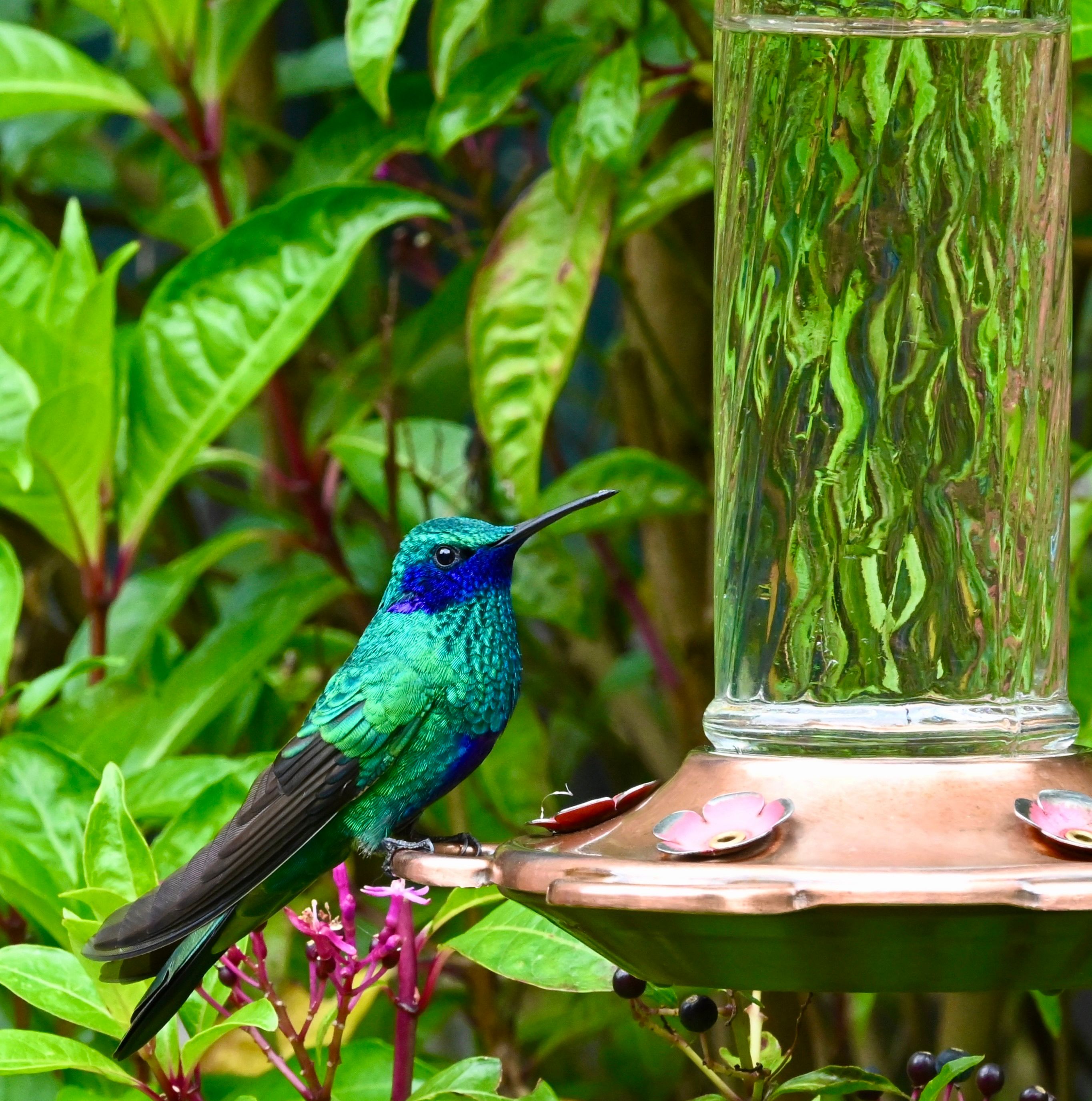
**Hummingbirds:** These are small birds, predominantly found in the Americas, known for their ability to hover in mid-air by rapidly flapping their wings. They are specialized nectar feeders, using their long, slender beaks and tongues to extract nectar from flowers, making them highly efficient pollinators.
**Bromeliad Plants:** This is a large family of flowering plants, scientifically known as Bromeliaceae. It encompasses over 3,700 species, ranging from the edible pineapple to ornamental air plants and various tropical flora. They are typically native to the tropical and subtropical Americas.
UNDERSTANDING THE LOCATION
The research originates from the University of Reading, situated in the United Kingdom. While the university is the intellectual hub for the study, the subjects of the research—bromeliad plants and hummingbirds—are primarily found in the tropical and subtropical regions of the Americas, where these species co-exist and co-evolve.
BACKGROUND AND CONTEXT
Evolution, at its core, is the process by which life on Earth changes and diversifies over time, driven by natural selection. A key aspect of this is **speciation**, which is simply the process where one species splits into two or more distinct new species, much like a family tree branching out. Pollination, the transfer of pollen from the male part of a flower to the female part, is fundamental to the reproduction of flowering plants. Different animals, from insects like bees and butterflies to birds and bats, act as **pollinators**. The efficiency and specificity of these pollinators can significantly influence how quickly plants evolve and diversify. This study highlights a classic example of co-evolution, where two species mutually influence each other's evolutionary trajectory.
EXPLAINING IMPORTANT REFERENCES
**Bromeliads (Pineapple Family):** This plant family is incredibly diverse, adapting to various environments, from rainforest canopies to arid deserts. They are known for their ability to store water in their leaf bases, creating miniature ecosystems. The common pineapple is perhaps the most famous member, demonstrating the family's economic importance.
**Hummingbirds:** These fascinating birds are not just beautiful; their unique physiology, including their ability to hover and their specialized beaks, makes them highly efficient at reaching nectar deep within certain flowers. This specialization creates a strong, selective pressure on the plants they visit, favoring those with flower shapes and nectar rewards that appeal to hummingbirds.
**Pollinators:** These are animals responsible for transferring pollen. In Nigeria, we see a variety of pollinators, from bees vital for our agricultural yields to various birds and bats. Their role is critical for food security and maintaining biodiversity across our geopolitical zones, ensuring that plants reproduce and continue to thrive.
IMPACT ANALYSIS
This discovery offers profound insights into the mechanisms driving biodiversity. Understanding that specific pollinators can accelerate speciation helps scientists grasp how ecosystems develop their rich variety of life. For conservation efforts, this means recognizing the critical role of specific pollinator-plant relationships. If hummingbird populations decline due to habitat loss, climate change, or other human-induced pressures, it could significantly slow down the evolution and diversification of a vast family of plants, potentially leading to a loss of unique bromeliad species that might otherwise have emerged. This research underscores the delicate balance of nature and the interconnectedness of species, reminding us that the health of one often depends on the health of another.
WHAT HAPPENS NEXT
Future research will likely delve deeper into the genetic mechanisms underpinning this accelerated evolution, seeking to identify the specific genes influenced by hummingbird pollination. Scientists may also explore how environmental changes, such as shifts in climate patterns or land use, could impact this crucial hummingbird-bromeliad relationship and, consequently, the pace of plant evolution. This understanding could inform more targeted conservation strategies, ensuring the preservation of both these remarkable birds and the diverse plant life they help create.
HERO PERSPECTIVE
Leverage On Heroes Media celebrates the intricate dance of nature, where a tiny hummingbird’s flight can orchestrate the grand symphony of evolution. This study is a testament to the power of scientific inquiry in unveiling the hidden wonders of our world and underscores the urgent need to protect the delicate ecosystems that sustain life. It reminds us that every creature, no matter how small, plays a heroic role in maintaining the planet’s rich biodiversity.
CLOSING
The findings from the University of Reading paint a vivid picture of the profound impact specialized relationships have in nature. As we continue to unravel these complex interactions, the importance of safeguarding both plant and animal species for the health and future evolution of our planet becomes ever clearer.