
HEADLINE
Lagos State Unveils 2026/2027 Academic Calendar, Sets September 14 Resumption Date
OPENING HOOK
In a move underscoring its commitment to organized and predictable educational planning, the Lagos State Government has provided a clear roadmap for the academic future of its primary and secondary school students. This early announcement aims to foster stability and allow all stakeholders ample time for preparation.
WHAT HAPPENED
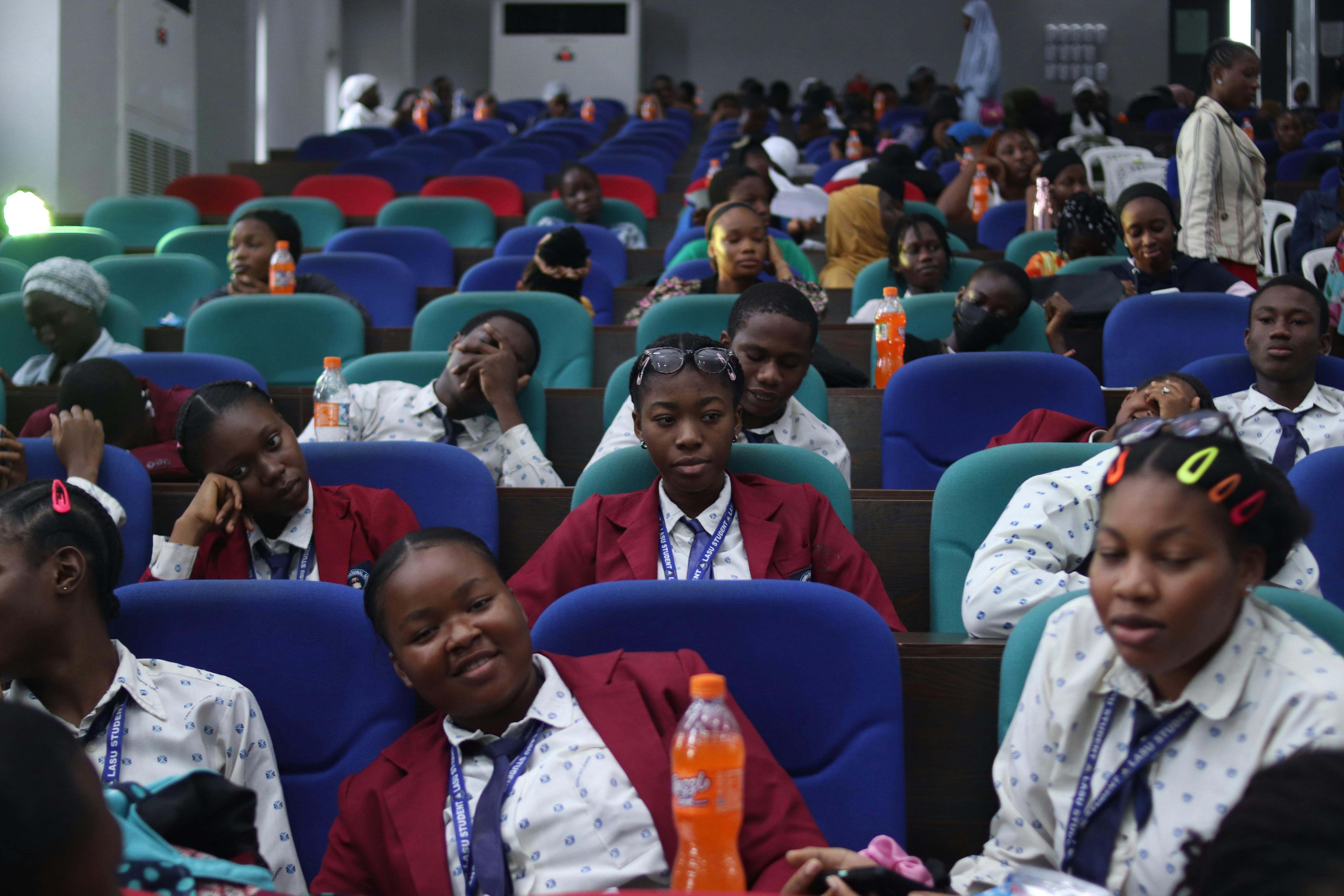
The Lagos State Government has formally released the academic calendar for primary and secondary schools within its jurisdiction for the 2026/2027 academic session. A key detail from this release is the fixed resumption date of September 14, 2026, for all students in the state's public and private primary and secondary educational institutions.
WHO ARE THE KEY PLAYERS
**Lagos State Government:** This is the executive body responsible for governing Lagos State, one of Nigeria's 36 states. Its Ministry of Education is specifically tasked with formulating and implementing educational policies, supervising schools, and developing academic calendars for primary and secondary education within the state.
**Primary and Secondary Schools:** These are the educational institutions catering to children from early childhood through adolescence, providing foundational and preparatory education. In Lagos, these include both public (government-funded) and private (privately-owned) schools, all operating under the state's educational guidelines.
**Parents, Guardians, and Students:** These are the direct beneficiaries and participants in the educational system whose lives are significantly impacted by academic schedules. The calendar provides them with crucial information for planning family activities, finances, and academic preparations.
**Teachers and School Administrators:** The professionals responsible for curriculum delivery and school management. The calendar guides their planning for lesson schemes, extracurricular activities, and operational logistics.
UNDERSTANDING THE LOCATION
Lagos State is Nigeria's smallest state by land area but the most populous, and arguably the economic and cultural hub of the nation. Located in the South-West geopolitical zone, it is a bustling metropolitan area with a diverse population, attracting people from all over Nigeria and beyond seeking economic opportunities. Its educational sector is vast, encompassing a huge number of public and private schools, serving millions of students. The state's decisions often set precedents or influence other states due to its prominent position.
BACKGROUND AND CONTEXT
The practice of releasing academic calendars in advance is a standard procedure globally, designed to ensure order and predictability in the education sector. In Nigeria, while federal policies guide higher education, primary and secondary education largely falls under the purview of state governments. Historically, academic calendars in Nigeria have sometimes faced disruptions due to unforeseen events like industrial actions by teachers, public health emergencies, or security concerns. Proactive release, such as this one by Lagos State, helps mitigate such uncertainties by providing a stable framework, allowing parents and schools to plan well ahead. This approach reflects a commitment to minimizing learning loss and maximizing instructional time, a critical factor in a nation striving for educational excellence and human capital development.
EXPLAINING IMPORTANT REFERENCES
**Academic Calendar:** This is a detailed schedule outlining all significant dates and events for an academic year. It typically includes resumption and closing dates for terms, holidays, examination periods, and other school activities. It serves as a crucial planning tool for students, parents, teachers, and school administrators.
**Resumption Date:** This refers to the specific day when schools officially reopen after a holiday period, marking the beginning of a new academic term or session. In this context, September 14, 2026, is the designated date for students to return to primary and secondary schools in Lagos State.
IMPACT ANALYSIS
The early release of the 2026/2027 academic calendar by the Lagos State Government offers several positive implications. For **parents and guardians**, it allows for long-term financial planning, particularly regarding school fees, transport, and other educational expenses, which, for an average Lagos family, can be a significant portion of their income, comparable to several months' rent or substantial market purchases. It also enables them to coordinate family travel and other commitments without conflicting with school schedules. For **schools**, both public and private, it provides a clear framework for curriculum planning, teacher training, and administrative logistics. This certainty can reduce operational friction and improve the quality of education delivery. Furthermore, a stable academic calendar positively impacts the **local economy**, as businesses that cater to schools – from booksellers and uniform suppliers to transporters and food vendors – can also plan their inventory and services effectively, contributing to smoother economic cycles around school communities.
WHAT HAPPENS NEXT
Following this announcement, the onus will be on various stakeholders to integrate the new calendar into their respective plans. The Lagos State Ministry of Education will likely issue further circulars detailing specific term dates, holidays, and examination periods within the 2026/2027 session. School administrators will be expected to disseminate this information widely to their staff and parent communities. While the date is set, continuous monitoring and evaluation by the state government will be crucial to ensure adherence and address any unforeseen challenges that may arise closer to the time. The focus will remain on ensuring a seamless and productive academic year for all students.
HERO PERSPECTIVE
Leverage On Heroes Media views this proactive release of the 2026/2027 academic calendar by the Lagos State Government as a commendable demonstration of forward-thinking governance. In a society often grappling with unpredictability, providing clarity and stability in the education sector is an essential act of leadership. This initiative empowers families, educators, and businesses to plan effectively, fostering an environment conducive to learning and long-term development. It exemplifies a commitment to building a resilient educational foundation for the future generation of heroes.
CLOSING
The Lagos State Government's early announcement of its 2026/2027 academic calendar, with a firm September 14, 2026, resumption date, is a significant step towards ensuring stability and efficiency in its education system. This proactive measure not only facilitates better planning for all involved but also reinforces the state's dedication to providing a structured and conducive learning environment for its teeming student population, ultimately contributing to the broader development goals of Nigeria.