
HEADLINE
Malaysia Implements Total E-Waste Import Ban After Port Fire Exposes Toxic Trade
OPENING HOOK
The acrid smoke from a burning shipping container at Malaysia's bustling Port Klang on July 7, 2026, did more than just signal a fire; it ignited a national reckoning, exposing the clandestine world of illegal electronic waste smuggling and leading to a definitive policy shift.
WHAT HAPPENED
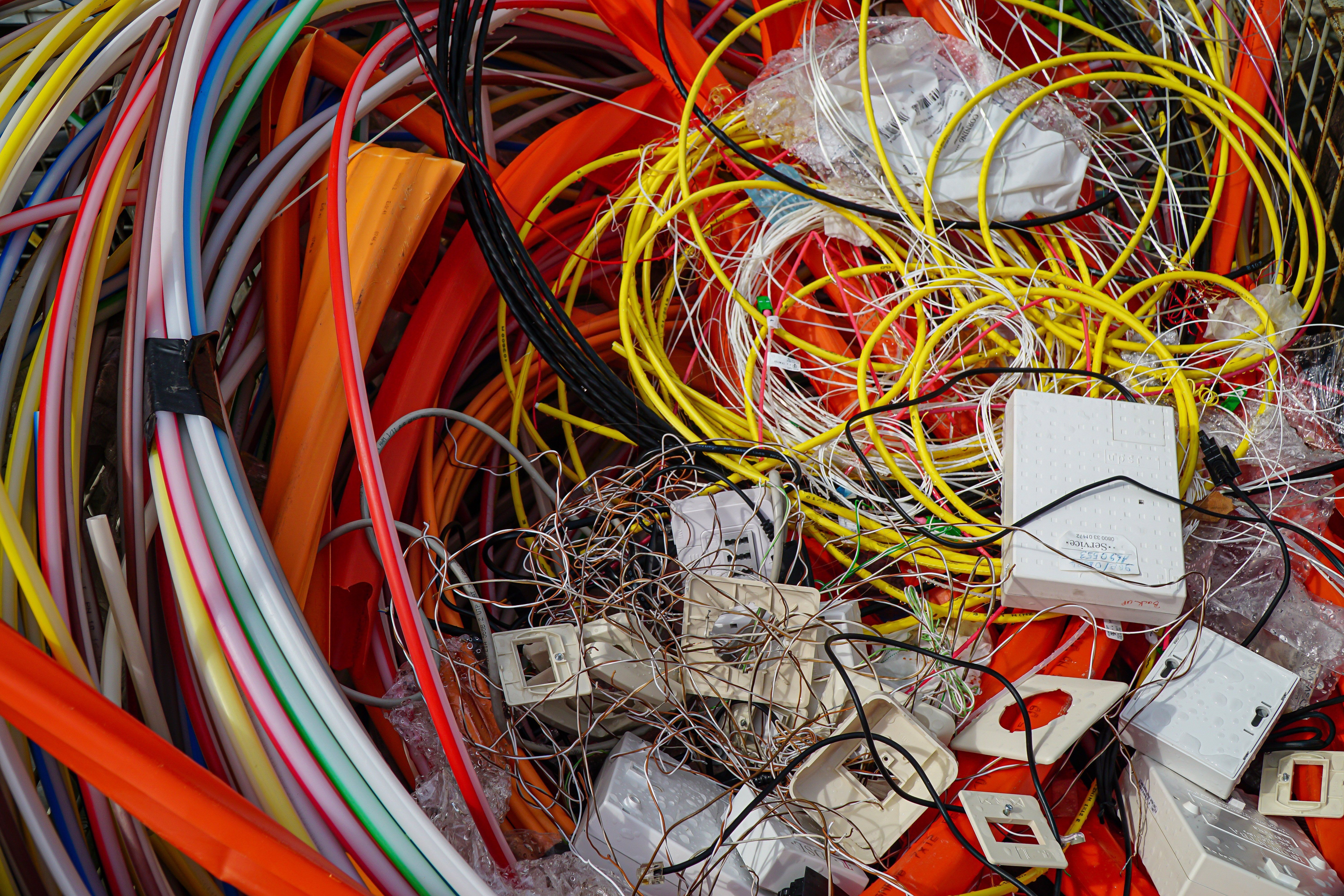
On the morning of July 7, 2026, a shipping container, initially declared to contain tin ore, caught fire shortly after being offloaded at Port Klang, Malaysia. After firefighters successfully extinguished the blaze, a shocking discovery was made: the container, instead of industrial metals, was packed with scorched electrical and electronic waste, commonly known as e-waste. This incident, which brought to light long-standing concerns from investigators and Non-Governmental Organizations (NGOs) about falsely declared shipments entering Malaysia's illegal recycling yards, directly led to the Malaysian government's decision to implement a total ban on all e-waste imports.
WHO ARE THE KEY PLAYERS
**Malaysia:** The Southeast Asian nation at the forefront of this environmental crackdown, whose government enacted the total e-waste import ban. **Port Klang:** Malaysia's largest and busiest port, located in the state of Selangor, which served as the entry point for the illicit e-waste shipment and the site of the fire incident. **Firefighters and Investigators:** The emergency responders who tackled the blaze and subsequently uncovered the true nature of the container's contents, initiating official inquiries. **Non-Governmental Organizations (NGOs):** Environmental and human rights advocacy groups who have consistently raised alarms about the influx of illegal e-waste into Malaysia and other developing nations. **Smugglers and Illegal Recycling Yards:** The perpetrators of this illicit trade, who falsify documents to import hazardous waste and operate unregulated facilities that pose severe environmental and health risks.
UNDERSTANDING THE LOCATION
**Klang**, a royal town and district in the state of Selangor, Malaysia, is home to **Port Klang**, which stands as the country's primary port and one of the busiest in the world. Situated on the Straits of Malacca, a vital shipping lane, Port Klang serves as a crucial gateway for international trade, handling a vast volume of cargo, from manufactured goods to raw materials. Its extensive facilities and strategic location make it a prime target for both legitimate commerce and illicit activities, including the smuggling of contraband like e-waste.
BACKGROUND AND CONTEXT
The global trade in electronic waste represents a significant environmental and human health challenge. E-waste comprises discarded electrical or electronic devices, ranging from old phones and computers to refrigerators and televisions. These items often contain hazardous materials such as lead, mercury, cadmium, and brominated flame retardants, which can leach into soil and water, contaminating ecosystems and posing severe health risks to those involved in informal recycling. Historically, developed nations have exported vast quantities of e-waste, often illegally, to developing countries like Malaysia, where lax regulations and cheaper labor make it profitable for unscrupulous operators to process these materials, often in unsafe conditions. International agreements, such as the Basel Convention on the Control of Transboundary Movements of Hazardous Wastes and Their Disposal, aim to regulate this trade, but enforcement remains a persistent challenge, leading to incidents like the one at Port Klang.
EXPLAINING IMPORTANT REFERENCES
**E-waste (Electronic Waste):** This term refers to any discarded appliance with an electric plug or battery, encompassing everything from mobile phones and laptops to washing machines and solar panels. Its danger lies in the toxic chemicals and heavy metals contained within these devices, which, if not properly processed, can cause severe pollution and health issues. **Falsified Paperwork:** This is a common tactic employed by smugglers to circumvent customs regulations. By declaring hazardous e-waste as innocuous materials like 'tin ore,' 'plastic scrap,' or 'metal alloys,' they deceive authorities, allowing illegal shipments to pass through ports undetected, as seen in the Port Klang incident. **Illegal Recycling Yards:** These are often informal, unregulated facilities where e-waste is dismantled and processed without proper safety equipment or environmental controls. Workers, often including children, are exposed to dangerous chemicals, and toxic residues are frequently dumped directly into the environment, leading to widespread contamination.
IMPACT ANALYSIS
The Port Klang incident and Malaysia's subsequent total e-waste import ban carry significant implications. Environmentally, the ban is a critical step towards reducing the pollution of land, water, and air by hazardous e-waste, which has long plagued local communities near illegal dumpsites. Economically, while it may disrupt existing illicit networks, it also signals Malaysia's commitment to fostering a legitimate, environmentally sound recycling industry. The ban also bolsters Malaysia's international reputation, aligning it more closely with global efforts to combat environmental crime. However, the move could also push illegal trade further underground or divert it to other nations with less stringent controls, highlighting the need for broader international cooperation.
WHAT HAPPENS NEXT
Following the ban, Malaysia faces the formidable task of rigorous enforcement. This will require enhanced customs surveillance, advanced detection technologies, and increased penalties for offenders. There is also a pressing need to invest in domestic, legitimate e-waste recycling infrastructure to manage the country's own growing volume of electronic waste and create green jobs. Internationally, the incident underscores the urgency for source countries to strengthen their own e-waste management and prevent illegal exports. The effectiveness of Malaysia's ban will serve as a crucial test case for other nations grappling with similar challenges, potentially inspiring a more coordinated global response to the illicit e-waste trade.
HERO PERSPECTIVE
Leverage On Heroes Media views Malaysia's bold move as a vital step towards environmental justice and global accountability. The incident at Port Klang serves as a stark reminder that the cost of convenience in the digital age cannot be offloaded onto vulnerable nations and their environments. Our editorial angle emphasizes the urgent need for robust international cooperation, stringent enforcement mechanisms, and corporate responsibility to ensure that the burden of e-waste is not disproportionately borne by those least equipped to handle its toxic consequences. It is a call to action for collective heroism in safeguarding our planet.
CLOSING
The fire at Port Klang was more than just an accident; it was a beacon, illuminating the dark underbelly of a global problem. Malaysia's resolute response with a total e-waste import ban marks a critical turning point, yet the enduring challenge lies in sustained enforcement and collaborative international efforts to truly dismantle the networks that profit from poisoning our planet.