
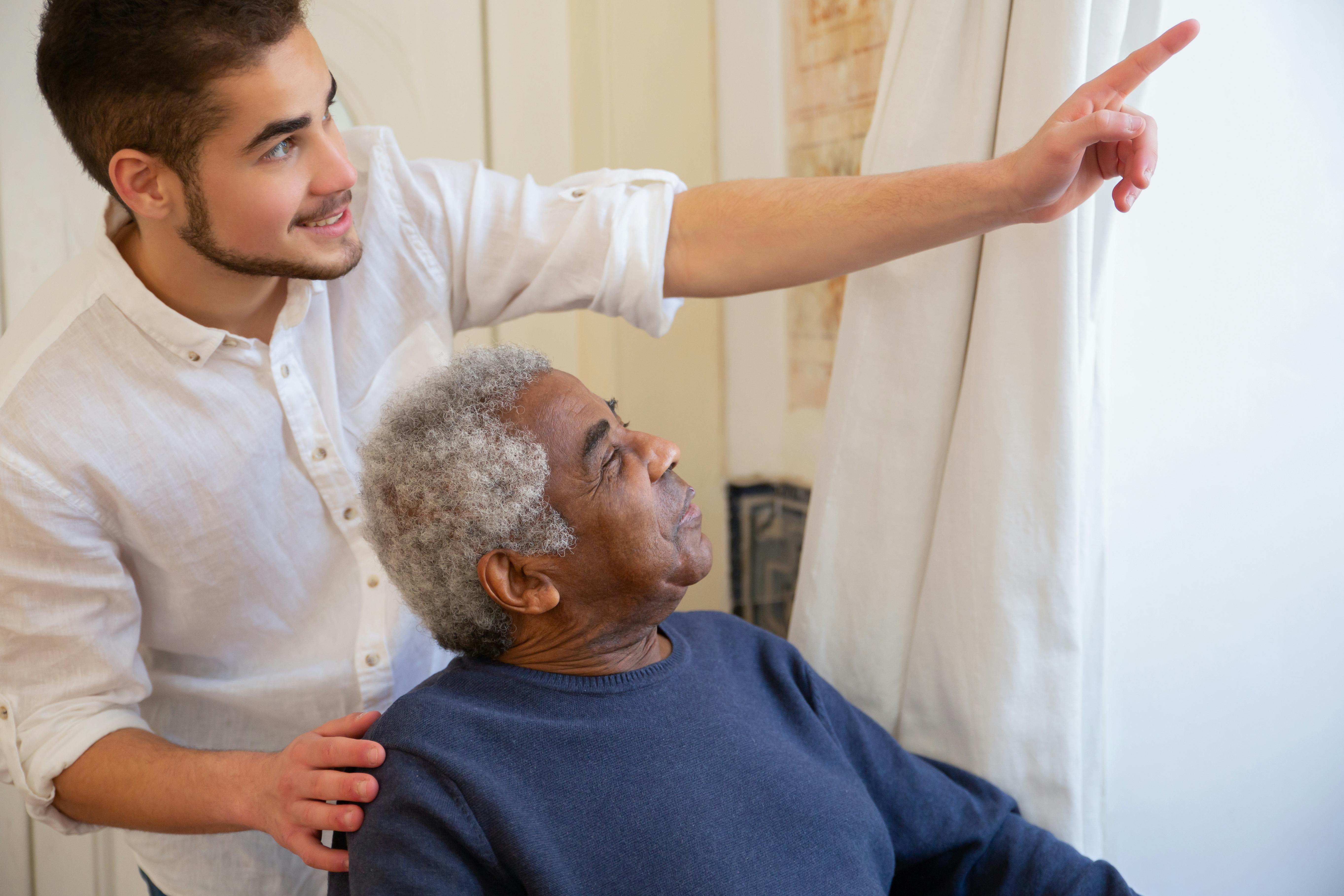
HEADLINE
Navigating the Caregiving Challenge: A Look at the 'Sandwich Generation' in Nigeria
OPENING HOOK
The quiet revolution of family caregiving is unfolding in homes across Nigeria, as countless adults find themselves increasingly responsible for the well-being of their aging parents. This profound shift, often triggered by a sudden medical crisis, casts many into the demanding role of a family caregiver overnight, forever altering family dynamics and personal lives.
WHAT HAPPENED
Recent global studies, including a 2025 Pew Research analysis, highlight a growing demographic trend where a substantial portion of the adult population, particularly those aged 40 and above, are now actively involved in caring for a parent aged 65 or older. This phenomenon is particularly acute for the 'sandwich generation' – individuals simultaneously raising their own children while also supporting their elderly parents. For many, the journey into caregiving is not a gradual process but an abrupt response to a health emergency, demanding immediate and often overwhelming commitment.
WHO ARE THE KEY PLAYERS
At the heart of this narrative are the **aging parents**, typically individuals 65 years and above, who increasingly require assistance with daily activities, medical appointments, and general welfare. Their growing needs often stem from age-related health issues, chronic illnesses, or declining mobility. The **caregivers** are their adult children, who step in to provide this support. A significant subset of these caregivers falls into the **'sandwich generation'**, a term used to describe adults, often in their middle years, who are simultaneously caring for their own dependent children and their aging parents. This dual responsibility places immense pressure on their time, finances, and emotional reserves.
UNDERSTANDING THE LOCATION
While not tied to a single geographical location, the 'location' of caregiving is primarily the **family home** and, by extension, the **community**. In Nigeria, traditional family structures often dictate that extended family members, especially adult children, bear the primary responsibility for elderly care. This takes place within the confines of residential homes, requiring adaptations to living spaces, coordination with healthcare facilities, and engagement with local support networks. The challenges, however, resonate across Nigeria's diverse geopolitical zones, from the bustling cities of the South-West to the rural communities of the North-East, each with its unique resource availability and cultural norms surrounding elder care.
BACKGROUND AND CONTEXT
Historically, communal living and robust extended family systems in Nigeria meant that the care of the elderly was a shared responsibility, with numerous relatives contributing. However, rapid urbanization, economic pressures, migration, and the increasing nuclearization of families have placed a disproportionate burden on fewer individuals, primarily the adult children. Improved healthcare, though still developing, has also contributed to increased life expectancy, meaning more Nigerians are living longer, often with age-related conditions that necessitate long-term care. This demographic shift, coupled with an underdeveloped formal elder care sector, makes family caregiving an increasingly critical, yet often unacknowledged, societal pillar.
EXPLAINING IMPORTANT REFERENCES
The term **'sandwich generation'** vividly describes the predicament of adults squeezed between the demands of raising their children and caring for their parents. Imagine being caught in the middle of a sandwich, with responsibilities pressing from both sides. The **'caregiving club'** is a metaphorical term referring to the growing number of individuals who find themselves in this demanding role, often sharing similar experiences of sacrifice, love, and sometimes, isolation. This 'club' signifies a shared journey, often initiated by a **medical crisis**, which means a sudden, severe health event (like a stroke, a fall, or a diagnosis of a serious illness) that immediately requires intensive care and support for an elderly parent.
IMPACT ANALYSIS
The impact of intensive caregiving is profound and multifaceted. For the caregivers, it can lead to significant **financial strain**, as they bear costs for medication, hospital visits, special diets, and often, lost income due to reduced work hours or career breaks. This strain is particularly felt in Nigeria where medical expenses can be substantial, equivalent to several months' rent or a small business loan. **Emotional and psychological toll** is also high, with caregivers often experiencing stress, burnout, anxiety, and depression due to the constant demands and emotional weight. Physically, the exhaustion can be debilitating. For the aging parents, while receiving care from loved ones can be comforting, the loss of independence and reliance on children can also be emotionally challenging. Societally, the pressure on the informal care system highlights gaps in formal healthcare and social support mechanisms, impacting productivity and overall community well-being.
WHAT HAPPENS NEXT
Addressing the challenges of the caregiving club requires a multi-pronged approach. There is a pressing need for increased public awareness and recognition of caregivers' roles, not just within families but at a policy level. Government initiatives could explore tax breaks or subsidies for family caregivers, expanded access to affordable home-based care services, and the establishment of community-based support groups. The private sector could also play a role by offering more flexible work arrangements for employees with caregiving responsibilities. Furthermore, investment in geriatric healthcare and professional training for caregivers is crucial to ensure quality care for the elderly. Without these interventions, the burden on individual families will continue to grow.
HERO PERSPECTIVE
Leverage On Heroes Media believes that the silent sacrifices of Nigeria's family caregivers are the bedrock of our societal resilience. We advocate for a robust national conversation and policy framework that acknowledges, supports, and empowers these unsung heroes. It is imperative that we move beyond expecting individuals to shoulder this immense burden alone and instead foster a collective responsibility, ensuring that those who care for our elders are themselves cared for, respected, and provided with the necessary resources to sustain their vital role.
CLOSING
The journey of caregiving for aging parents is a testament to the enduring strength of family bonds, yet it is also a stark reminder of the evolving challenges facing modern Nigerian society. As more individuals join the caregiving club, the imperative to build a more supportive and responsive ecosystem for both the elderly and their devoted caregivers grows stronger, demanding our collective attention and action.