
HEADLINE
New Study Links Ultra-Processed Foods to Harmful Blood Fatty Acids, Raising Nigerian Health Concerns
OPENING HOOK
From the quick-fix breakfast cereals to the convenient instant noodles and sugary beverages, ultra-processed foods have become a ubiquitous part of modern diets globally, including in Nigeria. While their convenience is undeniable, a new scientific study is shedding light on their hidden physiological impact, suggesting a direct link to specific metabolic changes in the blood that could be detrimental to health.
WHAT HAPPENED
A groundbreaking study by an international team of researchers suggests that the consumption of ultra-processed foods (UPFs) leaves a distinct 'metabolic signature' in the blood. This signature is specifically associated with higher levels of certain 'bad' fatty acids, indicating a potentially adverse impact on human health. The research, published in the prestigious journal *Critical Reviews in Food Science and Nutrition*, marks the first time targeted metabolomics has been used to examine the effects of UPF intake on a large European population group.
WHO ARE THE KEY PLAYERS
The primary key players are the **international team of researchers** who conducted this study. These scientists, hailing from various institutions across the globe, collaborated to bring this significant research to fruition. Their work was published in **Critical Reviews in Food Science and Nutrition**, a well-respected, peer-reviewed scientific journal that focuses on evaluating and synthesizing the latest research in food science, nutrition, and dietetics. Its role is crucial in disseminating validated scientific findings to the broader academic and public health communities.
UNDERSTANDING THE LOCATION
The study was conducted on a "large European cohort," which simply means a substantial group of people living across different European countries. This diverse sample size is important because it allows researchers to observe patterns across a broad demographic, making the findings more robust and generally applicable. While the study was conducted in Europe, the implications are global, including for Nigeria, where dietary patterns are increasingly mirroring those of Western nations due to urbanization and globalization.
BACKGROUND AND CONTEXT
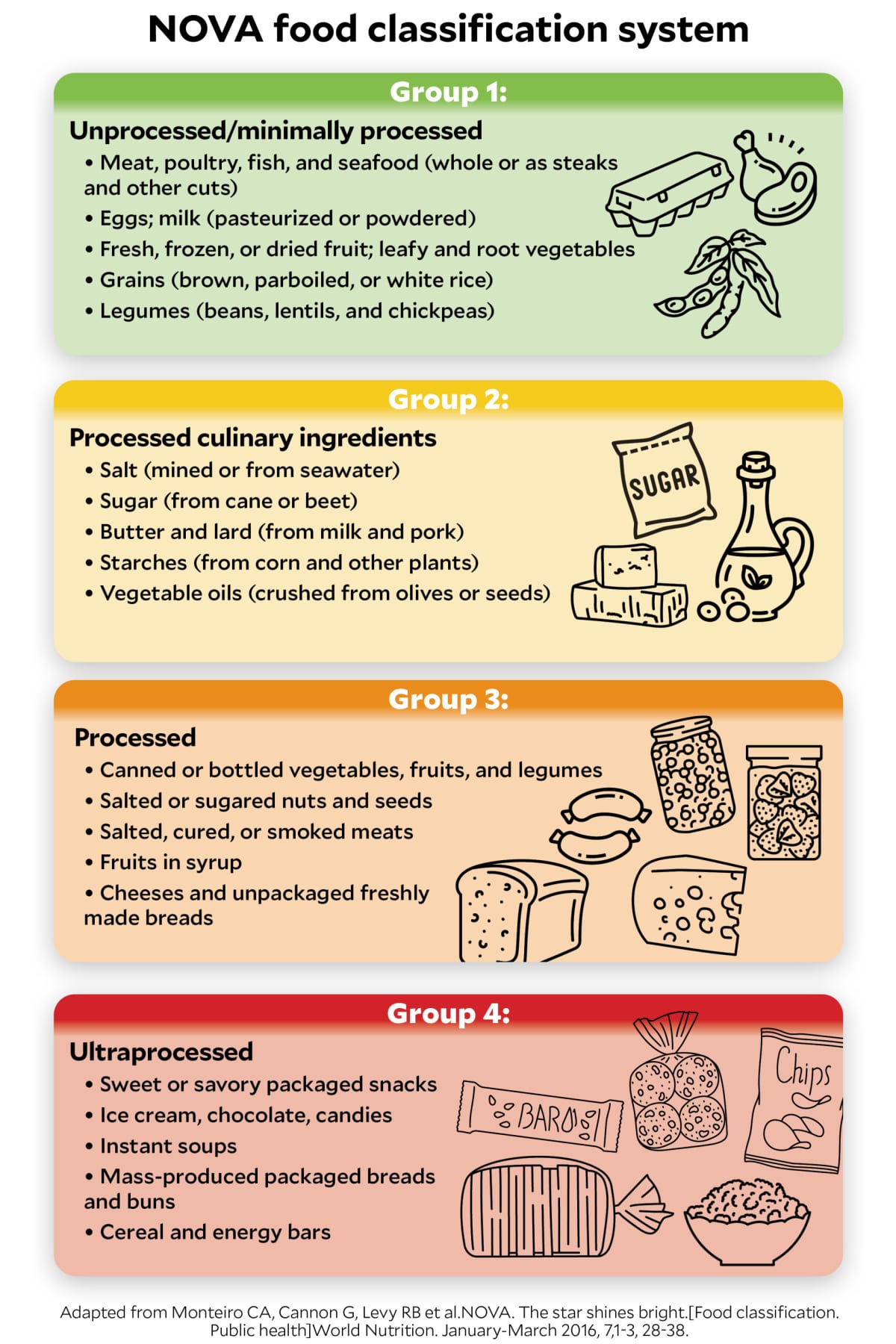
The concept of ultra-processed foods, or UPFs, has gained significant attention in recent years. These are industrial formulations made primarily from substances extracted from foods (oils, fats, sugar, starch, proteins) or synthesized in laboratories (flavourings, colourings, emulsifiers, preservatives). Examples common in Nigeria include packaged snacks, instant noodles, fizzy drinks, and some mass-produced bread and pastries. Historically, Nigerian diets were rich in whole, unprocessed foods like root crops, fresh fruits, vegetables, and lean proteins. However, rapid urbanization, changing lifestyles, and aggressive marketing have led to a surge in UPF consumption, particularly in cities like Lagos, Abuja, and Port Harcourt. Previous studies have linked UPFs to various health issues, including obesity, type 2 diabetes, and cardiovascular diseases, but this new research offers a more precise metabolic explanation.
EXPLAINING IMPORTANT REFERENCES
- **Ultra-processed foods (UPF)**: These are not just 'processed' but 'ultra-processed.' Think of them as industrial food products that typically contain little to no whole foods, are often high in sugar, unhealthy fats, and salt, and include additives like artificial colours, flavours, and emulsifiers. They are designed to be convenient, highly palatable, and have a long shelf life. For everyday Nigerians, examples include many packaged biscuits, instant noodles, carbonated soft drinks, and some breakfast cereals.
- **Metabolic 'signature'**: Imagine your body's metabolism as a complex orchestra of chemical reactions. A 'metabolic signature' is like a unique pattern or fingerprint of specific chemical compounds (metabolites) found in your blood that indicates how your body is functioning or reacting to something, in this case, UPF consumption. It's a snapshot of your body's internal chemistry.
- **Targeted metabolomics**: This is a sophisticated scientific technique used to precisely measure and identify specific small molecules (metabolites) within biological samples like blood. Unlike broad metabolomics that looks at everything, 'targeted' means researchers are specifically looking for particular chemical compounds they suspect are relevant, allowing for more focused and accurate analysis of the body's chemical processes.
- **'Bad' fatty acids**: In this context, these refer to certain types of fats, often saturated or trans fats, and specific unsaturated fatty acids that, when present in elevated levels in the blood, are associated with an increased risk of chronic diseases, particularly cardiovascular conditions like heart disease and stroke. They can contribute to the build-up of plaque in arteries, a process known as atherosclerosis.
- ***Critical Reviews in Food Science and Nutrition***: This is a prominent academic journal where scientific research on food, diet, and health is published. For a study to be published here, it undergoes a rigorous 'peer-review' process, meaning other experts in the field scrutinize the methods and findings to ensure scientific validity and credibility.
IMPACT ANALYSIS
This study's findings carry significant weight for public health, especially in Nigeria, where non-communicable diseases (NCDs) like hypertension, diabetes, and heart disease are on the rise. If UPFs directly contribute to higher levels of 'bad' fatty acids, it strengthens the evidence linking these convenient foods to the escalating NCD burden. For the average Nigerian, this means that the frequent consumption of popular packaged snacks, sugary drinks, and instant meals could be silently contributing to long-term health problems, potentially leading to increased healthcare costs and reduced quality of life. It also highlights a potential strain on Nigeria's healthcare system, which is already grappling with numerous challenges. Furthermore, it could impact local agriculture if consumers shift away from traditional, unprocessed foods in favour of industrially produced alternatives, affecting farmers and food security.
WHAT HAPPENS NEXT
Following this research, we can anticipate several developments. Firstly, there will likely be calls for further, more localized studies within African populations, including Nigeria, to confirm these findings and understand specific dietary patterns. Secondly, public health campaigns by organizations like the National Agency for Food and Drug Administration and Control (NAFDAC) and the Ministry of Health may intensify, urging Nigerians to reduce UPF intake and embrace healthier, traditional diets. Policy discussions could emerge regarding food labelling, marketing regulations for UPFs, and even fiscal measures to discourage their consumption. The food industry may also face pressure to reformulate products or offer healthier alternatives. Ultimately, the focus will be on empowering consumers with knowledge to make informed dietary choices.
HERO PERSPECTIVE
Leverage On Heroes Media believes that informed choice is the bedrock of a healthy society. This study serves as a critical wake-up call, underscoring the urgent need for Nigerians to re-evaluate their dietary habits. Our editorial angle emphasizes the empowerment of individuals through accurate information and advocacy for policies that support healthier food environments. We call upon policymakers to consider robust public health campaigns and regulatory frameworks, and for the food industry to prioritize public health over profit. Every Nigerian deserves access to nutritious, affordable food and the knowledge to make choices that protect their well-being.
CLOSING
The evidence against ultra-processed foods continues to mount, with this latest study providing a deeper insight into their metabolic consequences. As convenience foods become more prevalent across Nigeria, understanding their impact on our health is no longer a luxury but a necessity. The path forward requires a collective effort from individuals, government, and industry to foster a food environment that truly nourishes and protects the health of all Nigerians.