
HEADLINE
Nigeria's Vulture Crisis: Confronting Culture to Save Nature's Clean-Up Crew
OPENING HOOK
The silent disappearance of vultures from Nigeria's landscapes signals a looming environmental and public health crisis. These natural scavengers, often overlooked, play an indispensable role in our ecosystem, a role now threatened by human activities and long-held cultural practices.
WHAT HAPPENED
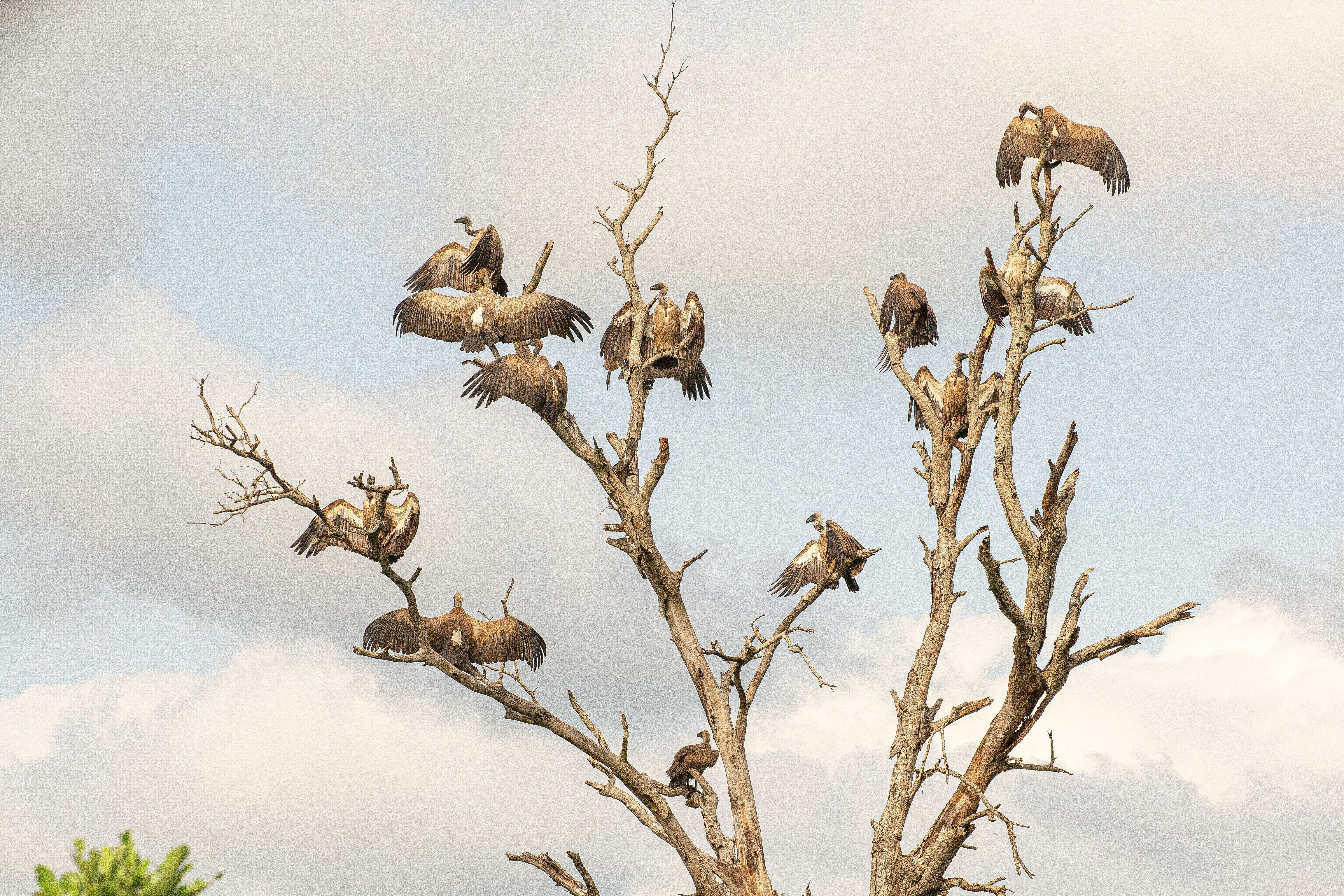
Michael Manja Williams, a dedicated Nigerian ornithologist and bird expert, is at the forefront of a desperate battle to save Nigeria's rapidly dwindling vulture populations. Across many parts of West Africa, especially within Nigeria, these vital birds have seen their numbers plummet dramatically. The primary culprits are identified as commercial poaching, where vultures are hunted illegally for profit, and traditional beliefs that value vulture parts as essential ingredients for certain traditional medicines. Many species that once called Nigeria home have been locally wiped out, or 'extirpated,' and the few remaining are declining sharply.
WHO ARE THE KEY PLAYERS
**Michael Manja Williams:** A Nigerian ornithologist and conservationist, Williams is a leading voice and active participant in the fight to protect vultures. His work focuses on understanding the threats and implementing conservation strategies, particularly in regions like Niger State.
**Vultures:** The central subject of this crisis, these birds are crucial scavengers, consuming dead animals and preventing the spread of diseases.
**Traditional Healers and Practitioners:** A significant group whose practices, driven by cultural beliefs, create a demand for vulture parts, inadvertently contributing to their decline.
**Commercial Poachers:** Individuals and networks engaged in the illegal hunting and trade of vultures for profit, often supplying the traditional medicine market.
**Conservation Organizations:** Various local and international environmental groups working to raise awareness, conduct research, and implement protective measures for endangered species like vultures.
UNDERSTANDING THE LOCATION
The crisis is particularly pronounced across **West Africa**, with **Nigeria** being a major hotspot. Nigeria, Africa's most populous nation, boasts diverse ecosystems, but also faces significant environmental pressures. The decline of vultures is observed across its geopolitical zones, though specific focus areas like **Niger State** are often highlighted due to the presence of conservationists like Michael Manja Williams working there. This vast country's varied cultural landscape also contributes to the complexity of the conservation challenge.
BACKGROUND AND CONTEXT
Vultures are nature's ultimate clean-up crew. By swiftly consuming animal carcasses, they prevent the build-up of decaying matter, which in turn significantly reduces the spread of diseases like anthrax, rabies, and botulism. Historically, Nigeria harbored robust populations of various vulture species. However, over recent decades, their numbers have crashed. Beyond habitat loss and accidental poisoning from pesticides, the most devastating threats come from direct persecution. Vultures are targeted for their body parts—heads, feet, feathers, bones—which are believed to possess mystical or medicinal properties in certain traditional practices. This belief fuels a lucrative, albeit illegal, commercial poaching industry that has pushed several species to the brink of local extinction.
EXPLAINING IMPORTANT REFERENCES
**Traditional Beliefs and Medicine:** In Nigeria, as in many African cultures, traditional medicine is a deeply ingrained practice, often passed down through generations. It encompasses a wide range of remedies derived from plants, animals, and minerals, often intertwined with spiritual beliefs. The belief that vulture parts can bring good luck, provide spiritual protection, enhance business prosperity, or cure specific ailments drives a significant demand. For instance, a vulture's head might be sought after for perceived foresight or wisdom, or its bones for strength. While traditional medicine has its legitimate place, the unsustainable harvesting of endangered species like vultures poses a severe threat to biodiversity.
**Extirpated:** This ecological term means that a species has ceased to exist in a particular geographic area, though it may still exist elsewhere in the wild. For example, if a specific vulture species once lived across Nigeria but is now completely gone from Nigerian territory, it is considered extirpated from Nigeria, even if it still thrives in Ghana or other countries.
IMPACT ANALYSIS
The disappearance of vultures carries severe consequences far beyond just the birds themselves. Environmentally, it leads to an increase in unconsumed animal carcasses, becoming breeding grounds for disease-carrying pests like rats and flies. This directly translates to increased public health risks, potentially leading to outbreaks of zoonotic diseases (diseases transferable from animals to humans). Economically, it can impact livestock farmers through higher disease prevalence among their animals. Culturally, the loss of these birds diminishes the natural heritage of Nigeria, impacting the balance of nature in ways we may not fully understand until it's too late. The cost of dealing with increased disease vectors and carcass disposal could far outweigh the current perceived benefits of using vulture parts.
WHAT HAPPENS NEXT
Addressing Nigeria's vulture crisis requires a multi-faceted approach. Continued efforts by conservationists like Michael Manja Williams will focus on community engagement and education, particularly targeting areas where traditional beliefs drive demand. This includes working with traditional healers to find sustainable alternatives or promote awareness of the ecological value of vultures. Stricter enforcement of anti-poaching laws by agencies like the National Drug Law Enforcement Agency (NDLEA) or environmental protection agencies is crucial. Furthermore, research into vulture habitats, breeding patterns, and migration routes will inform more effective conservation strategies. International collaboration with neighboring West African countries is also vital, as vultures often cross borders, making their protection a regional responsibility.
HERO PERSPECTIVE
Leverage On Heroes Media believes that true heroism in conservation lies in bridging the gap between ancient cultural practices and modern ecological understanding. The plight of Nigeria's vultures is a stark reminder that environmental protection is not just about laws and enforcement, but about fostering a profound respect for nature within communities. Michael Manja Williams' work exemplifies this by confronting deeply held beliefs with education and empathy, proving that sustainable solutions emerge when communities are empowered to be guardians of their own natural heritage. Our editorial angle emphasizes that saving these magnificent birds is not just an ecological imperative, but a societal one, demanding a harmonious coexistence between tradition and the urgent need for biodiversity preservation.
CLOSING
The fate of Nigeria's vultures hangs in the balance, a powerful symbol of the broader environmental challenges facing the nation. The ongoing efforts to protect them are a race against time, requiring sustained commitment, innovative solutions, and a collective understanding that the health of our environment is inextricably linked to the health of our people.