
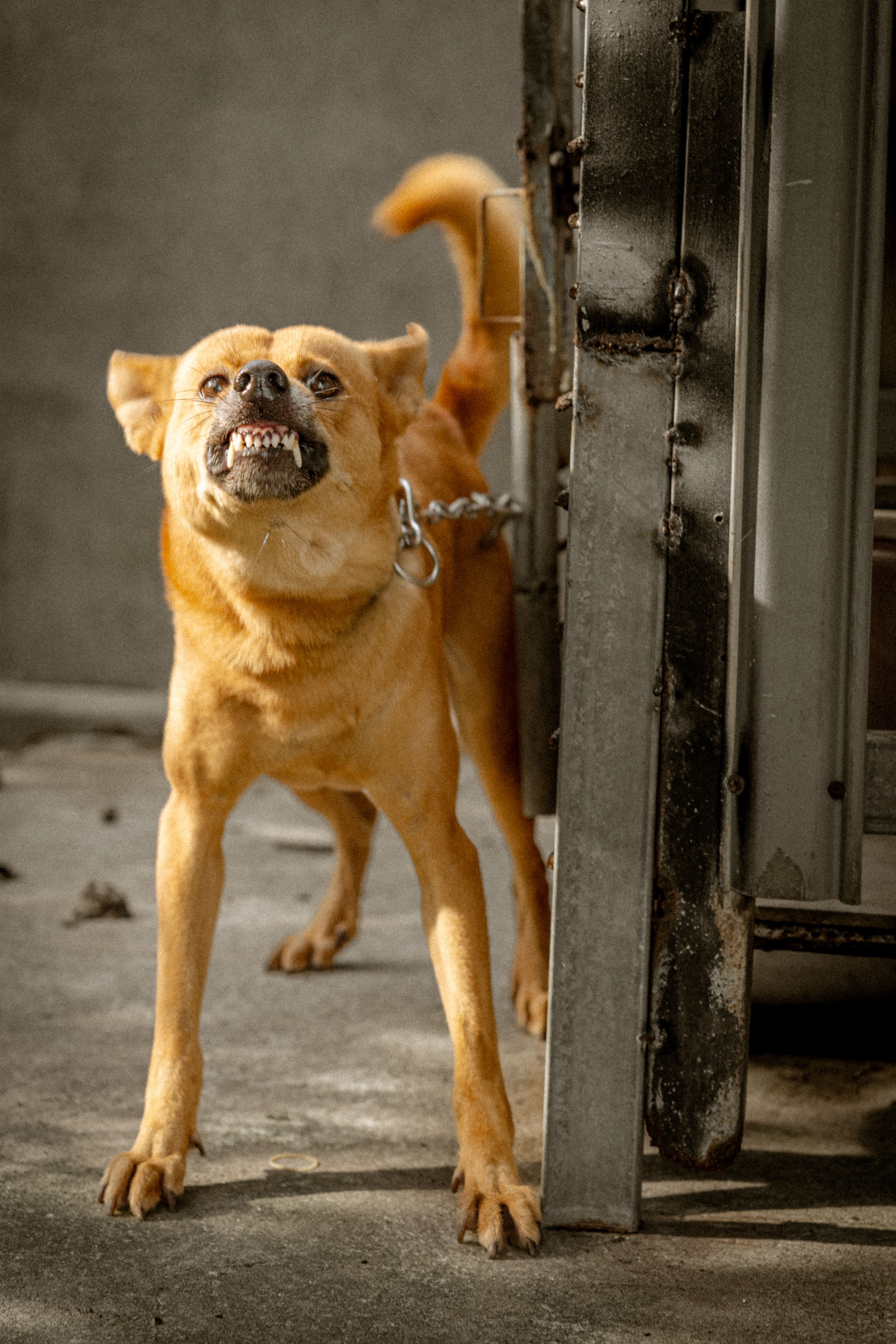
HEADLINE
Silent Threat: Unpacking the Dangers of Pet Dehydration Amidst Nigeria's Heatwaves
OPENING HOOK
Across Nigeria, as temperatures soar and the sun beats down relentlessly, a silent and often underestimated threat looms over our beloved animal companions: dehydration. While humans can easily articulate their thirst, pets rely entirely on their owners to recognize their needs, especially when the heat becomes extreme.
WHAT HAPPENED
Veterinary professionals nationwide are increasingly highlighting the critical importance of ensuring pets have constant access to fresh water, particularly during the hot season. Many pet owners, after their animals have enjoyed playtime outdoors, may notice their companions heading straight for their water bowls rather than their usual greetings. This instinctual drive for hydration underscores a vital point: if a pet lacks adequate water access or, for health reasons, loses the desire to drink, owners must intervene promptly to prevent severe health complications.
WHO ARE THE KEY PLAYERS
The primary 'key players' in this ongoing challenge are **pet owners**, who bear the ultimate responsibility for their animals' welfare. Supporting them are **veterinarians** and **animal health technicians**, who provide critical medical advice, diagnostic services, and emergency care. Organizations like the **Nigerian Veterinary Medical Association (NVMA)** play a crucial role in public health education and setting professional standards for animal care. Additionally, various **animal welfare advocacy groups** and **pet supply businesses** contribute to raising awareness and providing necessary resources for responsible pet ownership across the country.
UNDERSTANDING THE LOCATION
Nigeria, situated in West Africa, experiences a tropical climate characterized by distinct wet and dry seasons. The dry season, particularly between November and March, often brings intense heatwaves, with temperatures frequently exceeding 35 degrees Celsius (95 degrees Fahrenheit) across all six geopolitical zones. From the humid coastal regions of the South-South to the drier savannahs of the North-West, the pervasive heat creates a significant environmental stressor for both humans and animals, making adequate hydration a national concern for pet owners.
BACKGROUND AND CONTEXT
The concept of pet ownership in Nigeria has evolved significantly over the decades. Historically, animals like dogs were often kept primarily for security or hunting. However, there's been a growing trend towards companion animal ownership, especially in urban centers. This shift brings with it a greater responsibility for comprehensive pet care, moving beyond mere feeding to include health monitoring, proper nutrition, and preventive measures like ensuring hydration. The increasing awareness of climate change and its direct impact on daily life further underscores the need for proactive measures to protect vulnerable populations, including pets, from environmental extremes.
EXPLAINING IMPORTANT REFERENCES
**Dehydration** refers to a dangerous reduction in the body's fluid content, essential for vital functions. In simple terms, it means the body doesn't have enough water to work properly. Common signs in pets include sunken eyes, lethargy or unusual tiredness, dry and sticky gums, a loss of skin elasticity (if you gently pinch the skin on their neck, it stays tented instead of springing back quickly), and reduced urination. If left unchecked, severe dehydration can lead to organ failure and even death. It's a medical emergency that requires immediate veterinary attention. Ensuring constant access to fresh, clean water is the most straightforward preventive measure.
IMPACT ANALYSIS
The consequences of pet dehydration extend beyond the immediate health risks to the animals themselves. For pet owners, the emotional distress of seeing a beloved companion suffer or, worse, losing them, can be profound. Economically, emergency veterinary care for severe dehydration can incur significant costs, potentially running into tens of thousands of naira – an unexpected expense that could be equivalent to a month's worth of transport fare or a substantial portion of a small business loan repayment for many Nigerian families. Furthermore, widespread issues of pet health can indirectly impact public health, especially if compromised immune systems make animals more susceptible to zoonotic diseases, which are illnesses that can spread between animals and humans.
WHAT HAPPENS NEXT
Moving forward, sustained public awareness campaigns are crucial. Veterinary associations, local government councils, and community groups could collaborate to disseminate information on proper pet hydration through various channels, including local radio, community health centers, and social media. Initiatives promoting access to affordable veterinary care, perhaps through subsidized clinics or mobile vet services in underserved areas, could also play a vital role. Ultimately, the onus remains on individual pet owners to be vigilant, proactive, and responsive to their pets' needs, especially during periods of extreme weather. Regular check-ups with a veterinarian can also help detect underlying conditions that might predispose pets to dehydration.
HERO PERSPECTIVE
Leverage On Heroes Media believes that responsible pet ownership is a fundamental act of compassion and a reflection of a caring society. Our editorial angle emphasizes the heroism inherent in prioritizing the well-being of our animal companions, particularly in the face of environmental challenges like heatwaves. We champion proactive care, informed decision-making, and the recognition that pets, though voiceless, depend entirely on human vigilance for their survival and comfort. Ensuring their access to basic necessities, especially water, is not just a duty, but a heroic commitment to life.
CLOSING
As Nigeria continues to experience periods of intense heat, the call for heightened awareness regarding pet hydration is more urgent than ever. By understanding the risks, recognizing the signs, and taking simple, consistent actions, pet owners can significantly protect their cherished companions from the silent dangers of dehydration, ensuring they thrive even in the most challenging weather conditions.