
HEADLINE
Understanding the 'Luteal Uglies': How the Menstrual Cycle's Final Phase Affects Women
OPENING HOOK
Social media platforms are increasingly flooded with candid discussions about the 'luteal uglies,' a colloquial term capturing the physical and emotional turbulence women experience in the days leading up to their periods.
WHAT HAPPENED
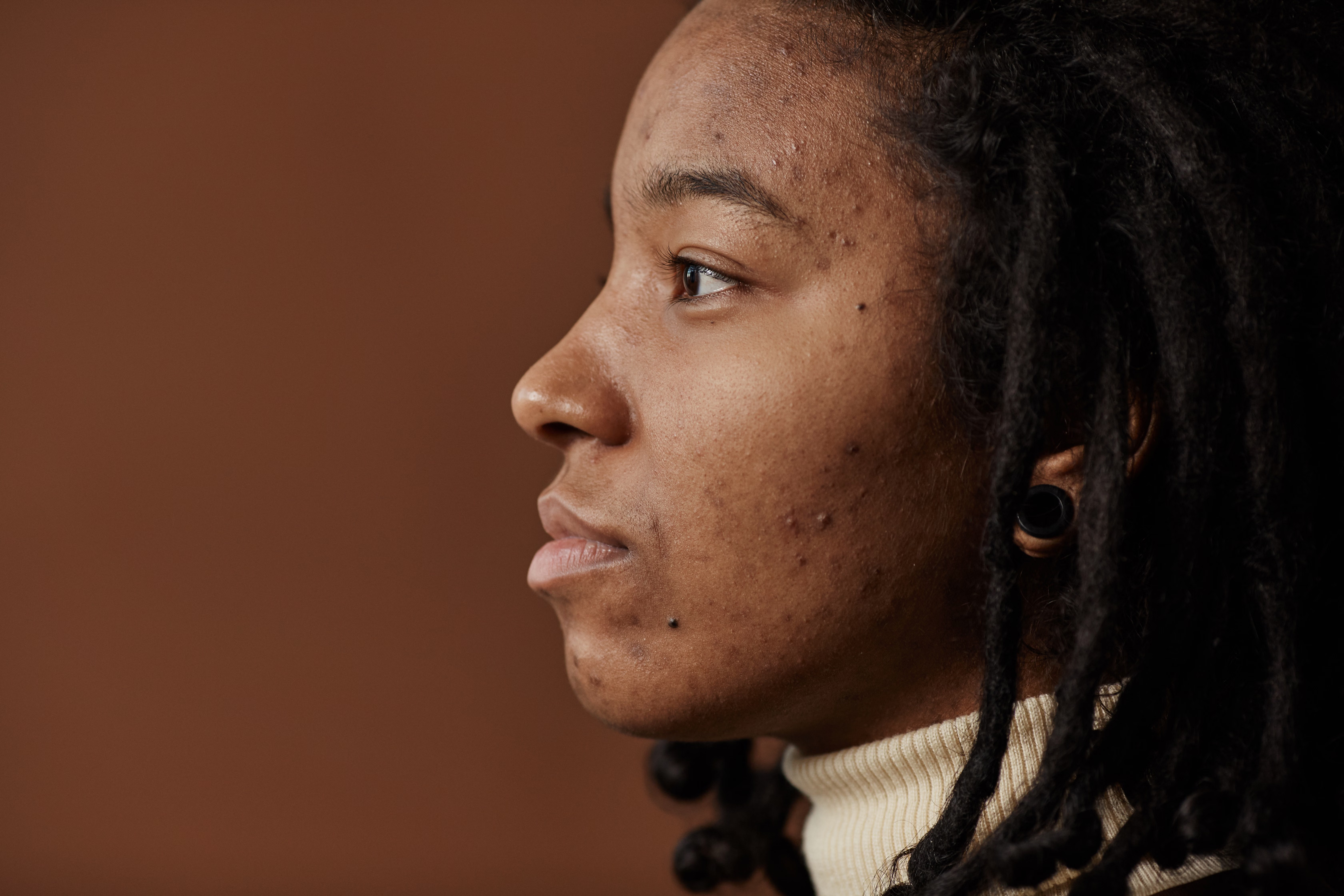
Women across digital platforms are openly sharing their struggles with sudden drops in mood, skin breakouts, and bloating, giving a trending name to a biological reality. Medical professionals note that this surge in online dialogue is helping to destigmatize normal hormonal fluctuations, while also prompting many to seek better ways to manage premenstrual symptoms.
WHO ARE THE KEY PLAYERS
Social media users, digital health content creators, and gynecologists are driving this conversation. Gynecologists and endocrinologists provide the clinical definitions for what patients experience, while digital creators share personal coping strategies and foster community support.
UNDERSTANDING THE LOCATION
This phenomenon is largely a digital landscape occurrence, unfolding globally across social media apps like TikTok and Instagram. Because internet access bridges geographical divides, women in urban and rural settings alike are participating in the discourse.
BACKGROUND AND CONTEXT
Historically, premenstrual symptoms were often dismissed or stigmatized as mere moodiness, leaving many individuals to suffer in silence. The modern wellness movement, combined with digital peer-to-peer sharing, has created a safer space for women to discuss menstrual health openly.
EXPLAINING IMPORTANT REFERENCES
The 'luteal phase' refers to the second half of the menstrual cycle, which occurs after ovulation and before menstruation begins. During this time, hormone levels—specifically progesterone and estrogen—rise and then sharply decline if pregnancy does not occur, triggering various physical and psychological changes.
IMPACT ANALYSIS
Increased awareness helps individuals recognize that their monthly energy dips and mood shifts have a physiological basis rather than being personal failings. However, the abundance of self-diagnosed wellness advice online also risks medical misinformation, underscoring the need for certified clinical guidance.
WHAT HAPPENS NEXT
As digital health literacy grows, more women are likely to request personalized hormonal tracking from their healthcare providers. Medical researchers may also increase studies into how premenstrual dysphoric variations affect daily productivity.
HERO PERSPECTIVE
Digital discussions surrounding the luteal phase highlight a growing shift toward open hormonal health education across modern media platforms. Navigating these biological transitions effectively requires balancing peer-shared coping mechanisms with verified clinical insights from certified medical professionals.
CLOSING
Ultimately, bringing medical experiences out in the open helps dismantle long-standing taboos surrounding women's health. By understanding the science behind the cycle, individuals can better advocate for their own bodily well-being.