
HEADLINE
Varroa Mite Threat Looms Over Tasmania's Vital Crop Pollination
OPENING HOOK
The delicate balance of nature, particularly the unseen work of pollinators, underpins much of our global food supply. In Tasmania, a new scientific assessment has sounded a clear alarm, revealing how a tiny, insidious pest could disrupt the very foundation of the island's agricultural prosperity, threatening crops and livelihoods.
WHAT HAPPENED
A recent study conducted by the Tasmanian Institute of Agriculture (TIA) has brought to light the significant and potentially devastating impact that Varroa mites could have on crop pollination across Tasmania, should these parasitic creatures establish a permanent presence in the state. The research was initiated due to the alarming spread of Varroa mites on mainland Australia, where they are already causing considerable damage to European honeybee colonies.
WHO ARE THE KEY PLAYERS
The primary entity in this report is the **Tasmanian Institute of Agriculture (TIA)**. This is a joint venture between the University of Tasmania and the Tasmanian Government, dedicated to agricultural research, development, and education within the state. Its role here is crucial, as it provides evidence-based insights into challenges facing Tasmania's farming sector. Other key players include **beekeepers**, who manage honeybee colonies and are on the front lines of pest management, and the **European honeybees** themselves, which are vital for pollination but highly susceptible to Varroa mites. The **Tasmanian government** and **agricultural industries** are also significant, as they would be responsible for policy responses and would bear the brunt of any economic fallout.
UNDERSTANDING THE LOCATION
**Tasmania** is an island state of Australia, located south of the mainland. Known for its rugged wilderness, diverse ecosystems, and significant agricultural sector, it relies heavily on natural resources. Its temperate climate supports a range of crops that depend on insect pollination, making the health of its bee populations critically important for food security and economic stability. It is geographically isolated, which has historically provided a natural barrier against certain pests and diseases, including Varroa mites, until now.
BACKGROUND AND CONTEXT
Varroa mites, scientifically known as *Varroa destructor*, are external parasites that attack and feed on honeybees, both adults and developing larvae and pupae. Originally native to Asia, where Asian honeybees have developed some resistance, these mites have spread globally, devastating European honeybee populations, which lack natural defences. Their spread across mainland Australia has been a major concern for beekeepers and agricultural authorities. The mites weaken bees, transmit viruses, and can lead to the collapse of entire colonies. Historically, Australia was one of the last continents free of Varroa, a status that has now been compromised on the mainland, prompting Tasmania to prepare for a potential incursion. This situation mirrors past agricultural challenges, where the introduction of foreign pests or diseases has had profound effects on local ecosystems and economies.
EXPLAINING IMPORTANT REFERENCES
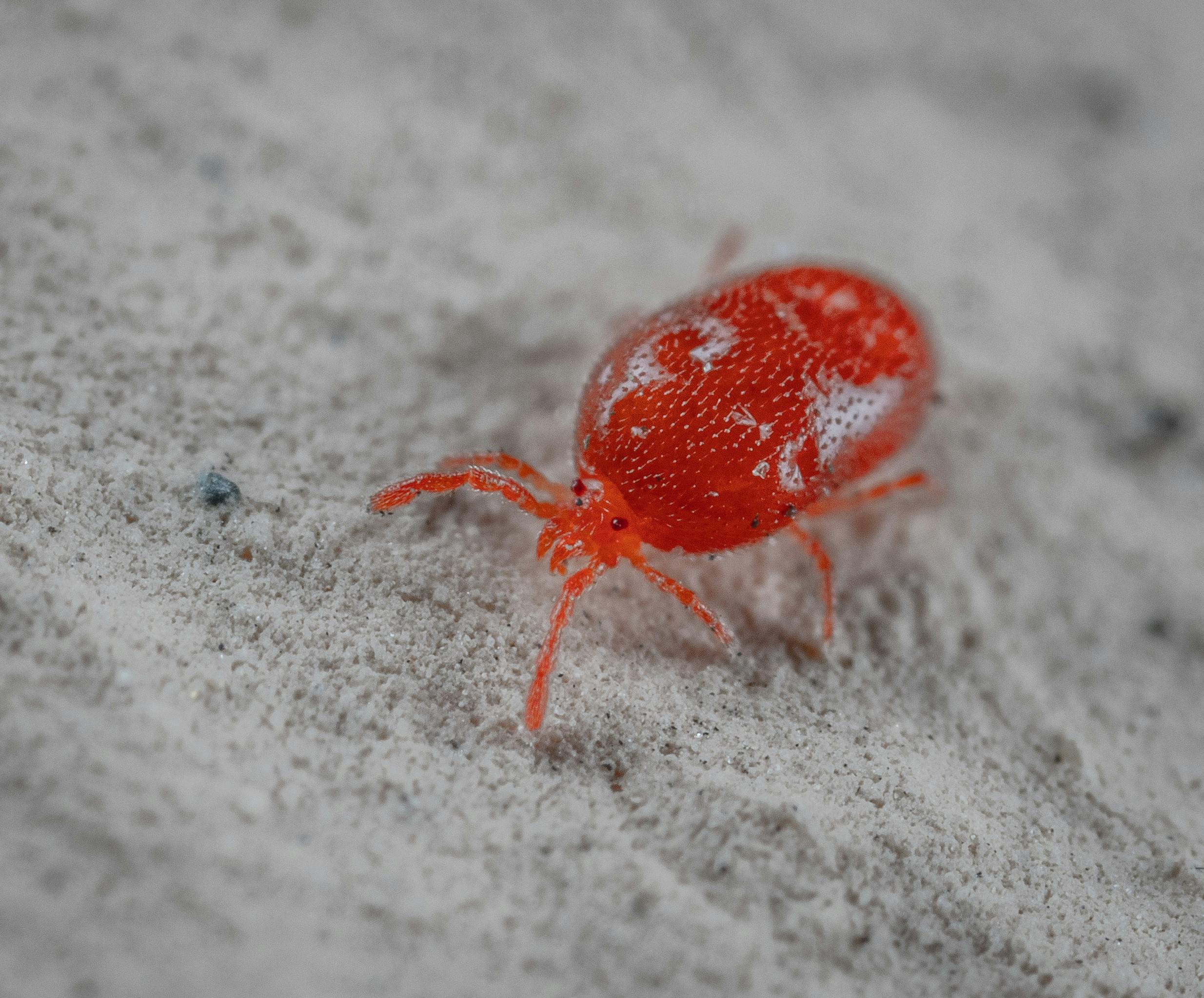
- **Varroa mites**: These are tiny, reddish-brown external parasites, about the size of a pinhead, that specifically target honeybees. They attach to bees and feed on their haemolymph (the bee equivalent of blood), weakening them and making them susceptible to other diseases. Think of them as tiny, blood-sucking ticks for bees.
- **Crop pollination**: This is the process where pollen is transferred from the male part of a flower to the female part, enabling fertilization and the production of fruits, seeds, and vegetables. Many crops, like apples, berries, and canola, rely heavily on insects, especially honeybees, to carry out this essential task. Without effective pollination, yields can drastically drop, impacting food availability and farmer income.
- **European honeybees**: These are the most commonly managed species of honeybee worldwide, prized for their honey production and excellent pollination services. They are, however, highly vulnerable to Varroa mites.
- **Managed honeybee colonies**: These are bee colonies kept by beekeepers in artificial hives. Beekeepers can monitor these colonies for pests and diseases and apply treatments when necessary, similar to how a farmer manages livestock.
- **Feral honeybee colonies**: These are wild bee colonies that live in natural cavities like tree hollows and are not managed by humans. Because they are unmonitored and untreated, they are at a much higher risk of succumbing to Varroa mites, which could then act as reservoirs for the mites to spread further.
IMPACT ANALYSIS
The potential establishment of Varroa mites in Tasmania carries significant implications. Economically, the state's agricultural sector, which includes fruit, vegetable, and seed production, could face substantial losses due to reduced crop yields. Farmers might see their profits dwindle, affecting their ability to sustain their operations. For the average person, this could translate to higher prices for local produce or increased reliance on imported goods. Environmentally, the decline of feral honeybee populations could have ripple effects on native flora that also rely on bee pollination, potentially disrupting local ecosystems. The cost of managing Varroa, including monitoring, treatment, and potential colony replacement, would also add a considerable burden to beekeepers and the state's budget.
WHAT HAPPENS NEXT
Following this study, it is anticipated that the Tasmanian government and agricultural bodies will intensify their preparedness and biosecurity measures. This could involve enhanced surveillance programs at ports and borders to detect any early incursions of Varroa mites. Beekeepers may be encouraged to adopt stricter biosecurity protocols and receive training on mite detection and treatment options. Research into mite-resistant bee strains or sustainable management practices could also gain momentum. The collaboration between TIA, beekeepers, and government agencies will be crucial in developing a robust response strategy to protect Tasmania's agricultural future.
HERO PERSPECTIVE
Leverage On Heroes Media believes this report underscores the critical importance of proactive scientific research and robust biosecurity measures in safeguarding agricultural industries. It is a testament to the foresight required to protect our food systems from emerging threats, highlighting that investing in science and preparedness today is an investment in our collective tomorrow.
CLOSING
The findings from the Tasmanian Institute of Agriculture serve as a stark reminder that even the smallest threats can have monumental consequences. For Tasmania, the battle against Varroa mites is not just about bees; it's about the resilience of an entire agricultural economy and the sustained health of its unique natural environment.