
HEADLINE
American Airlines Slashes 2026 Earnings Outlook As Fuel Costs Spike
OPENING HOOK
When the cost of powering heavy machinery rises steeply in global markets, the ripples are felt everywhere—from international boardrooms down to the cost of a plane ticket for an ordinary trader or family traveler.
WHAT HAPPENED
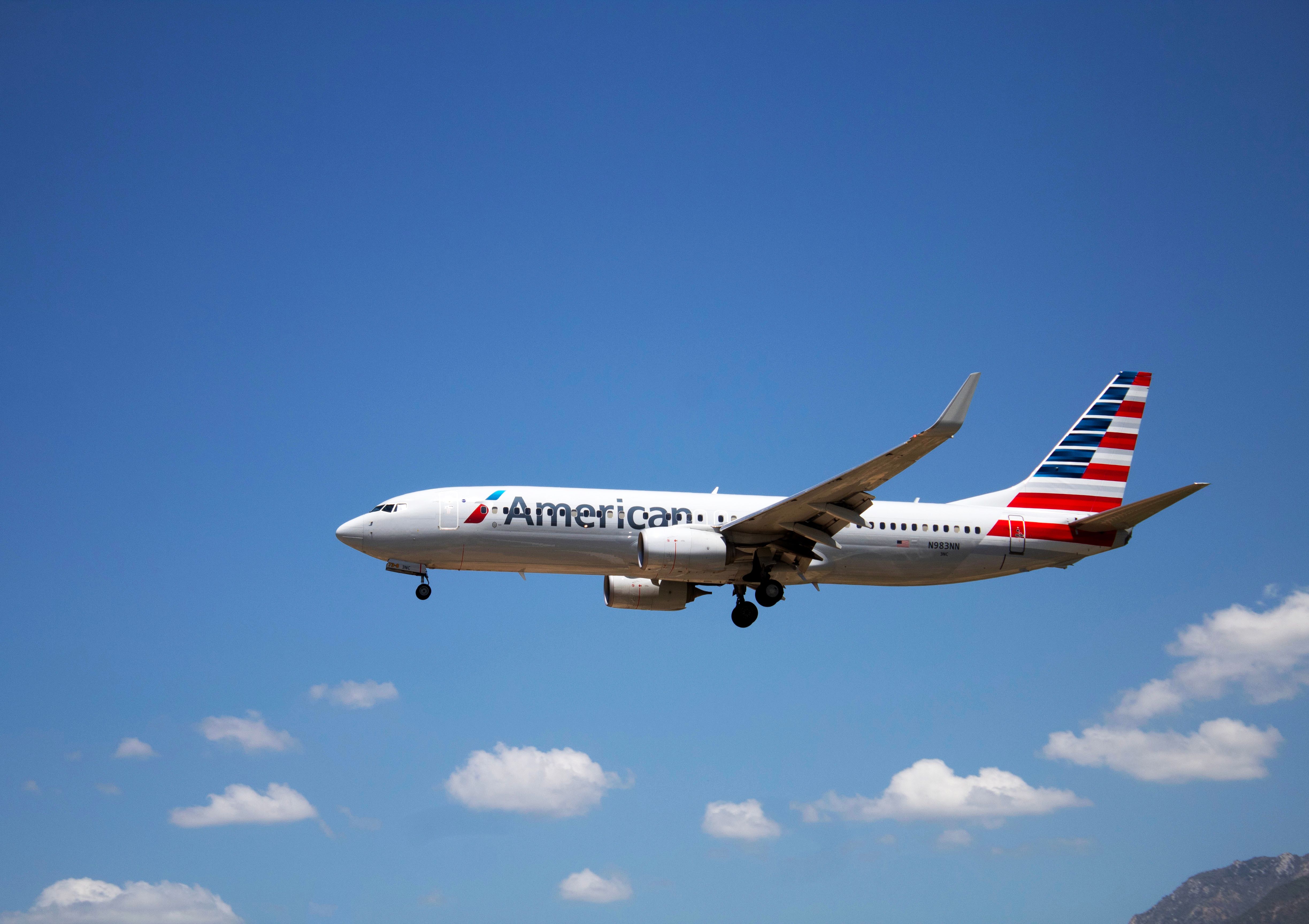
American Airlines has officially reduced its earnings projections for the year 2026, pointing directly to a sharp and sustained increase in the cost of aviation fuel. The carrier, like many in the global transport sector, is finding that keeping heavy aircraft in the air is becoming much more expensive than earlier financial models predicted.
WHO ARE THE KEY PLAYERS
American Airlines is one of the largest commercial air carriers in the world, moving millions of passengers across domestic and international routes. Its financial decisions heavily influence global aviation trends, affecting how investors view the health of the entire travel and transport economy.
UNDERSTANDING THE LOCATION
Based primarily in the United States, American Airlines operates out of major global transport hubs. While headquartered abroad, shifts in its financial stability serve as a bellwether for international trade, tourism, and the cost of moving goods and people across continents.
BACKGROUND AND CONTEXT
In the airline business, fuel is typically the second-biggest operational expense after labor. When crude oil prices swing upward due to geopolitical tensions or shifting production quotas, airline profit margins shrink rapidly. For everyday passengers, these corporate adjustments often translate to higher ticket prices, reminding us that global energy markets directly impact personal travel budgets.
EXPLAINING IMPORTANT REFERENCES
An "earnings outlook" is simply a company's public projection of how much profit it expects to make in a future period. When a firm "slashes" this outlook, it means business conditions have worsened, forcing management to lower their expectations and warn investors that returns will be smaller than previously hoped.
IMPACT ANALYSIS
For travelers, a spike in airline operating costs usually means higher airfares, making business trips and family visits more expensive. For investors, it signals that transport stocks may face rough weather ahead. In Nigeria and other developing markets, higher global jet fuel costs can also trickle down to local airline operations, which heavily depend on imported fuel products.
WHAT HAPPENS NEXT
Financial markets will monitor how American Airlines and other major carriers adjust their flight schedules, route profitability, and ticket pricing strategies in response to persistent fuel volatility. Analysts will watch upcoming quarterly reports to see if other global airlines follow suit with similar profit warnings.
HERO PERSPECTIVE
At Leverage On Heroes Media, our editorial angle focuses on resilience and global economic literacy. We highlight how macro-level shifts in energy markets cascade down to everyday financial decisions, proving that understanding global commerce is vital for smart planning at home.
CLOSING
As the global aviation industry navigates these financial headwinds, staying informed remains the best tool for investors and travelers alike as they manage the changing cost of movement.