
HEADLINE
Aston Martin Puts the Brakes on EVs, Extends V12 Engine Legacy Amidst Electrification Push
OPENING HOOK
In an era increasingly defined by electric mobility and environmental consciousness, a titan of luxury performance cars is making a surprising stand, choosing the visceral roar of a traditional engine over the silent hum of the future.
WHAT HAPPENED
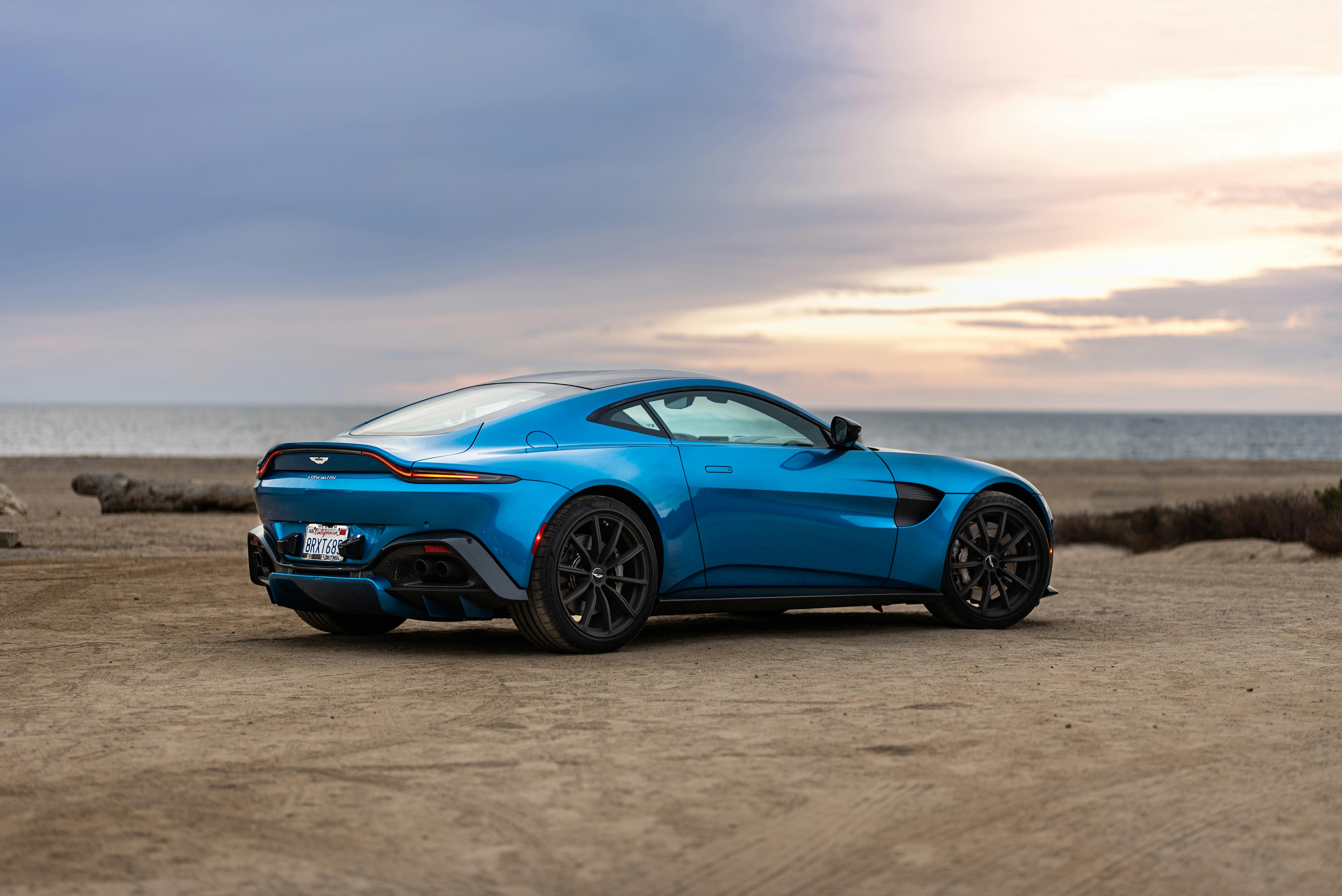
Aston Martin, the iconic British luxury sports car manufacturer, has announced a significant strategic shift, delaying the launch of its fully electric vehicles until 2026. This decision is primarily driven by a commitment to prolong the lifespan of its powerful V12 internal combustion engines, responding to sustained demand from its affluent clientele who continue to value the unique driving experience these engines offer.
WHO ARE THE KEY PLAYERS
**Aston Martin Lagonda Global Holdings PLC** is a renowned British independent manufacturer of luxury sports cars and grand tourers. Founded in 1913 by Lionel Martin and Robert Bamford, the company is globally recognized for its blend of sophisticated design, high performance, and its iconic association with the James Bond film franchise. Aston Martin's core business revolves around crafting exclusive, high-performance vehicles for a discerning global market, distinguishing itself through bespoke craftsmanship and a rich racing heritage.
UNDERSTANDING THE LOCATION
While Aston Martin operates on a global scale, its roots and primary manufacturing facilities are firmly established in the United Kingdom, specifically in Gaydon, Warwickshire. The UK automotive industry boasts a rich history of engineering excellence and niche luxury car production, a legacy Aston Martin proudly upholds. This geographical context highlights the brand's connection to traditional British automotive craftsmanship and engineering prowess.
BACKGROUND AND CONTEXT
The global automotive industry is in the midst of a monumental transition towards electrification, driven by pressing environmental concerns, tightening emissions regulations worldwide, and rapid advancements in battery technology. Many major manufacturers have set ambitious deadlines for phasing out traditional internal combustion engines (ICE). However, the ultra-luxury segment, where customers often prioritize exclusivity, emotional connection, and a unique driving experience, presents a distinct challenge. Aston Martin's decision reflects a calculated risk, acknowledging that a significant segment of its high-net-worth customers still highly values the traditional power, sound, and prestige of a large engine, particularly the V12.
EXPLAINING IMPORTANT REFERENCES
- **V12 Engine (Twelve-Cylinder Engine)**: In simple terms, this is a type of engine found in high-performance or very luxurious cars. The 'V' refers to the arrangement of the cylinders in a V-shape, and '12' means it has twelve cylinders. More cylinders generally translate to more power, smoother operation, and that distinct, powerful roar cherished by enthusiasts. Think of it as a very sophisticated and powerful engine, known for its performance and prestige.
- **Electric Vehicles (EVs)**: These are cars that run entirely on electricity, powered by rechargeable batteries and electric motors, rather than burning petrol (Premium Motor Spirit) or diesel. They produce zero tailpipe emissions, making them a cleaner alternative to traditional cars and a key component of global efforts to reduce air pollution.
IMPACT ANALYSIS
This strategic shift carries multiple implications. Environmentally, delaying the widespread introduction of EVs means Aston Martin continues to contribute to carbon emissions for a longer period, contrasting with global efforts to decarbonize the transport sector. Financially, it could be a shrewd short-term strategy, allowing the company to capitalize on the sustained demand for high-margin V12 models and potentially delaying costly EV research, development, and infrastructure investments. However, it risks putting Aston Martin behind competitors in the long-term race for electric vehicle market share and technological leadership. For the broader market, it reinforces the idea that ultra-luxury carmakers might follow a different electrification timeline, prioritizing emotional appeal and heritage over an immediate full transition.
WHAT HAPPENS NEXT
Aston Martin now plans to introduce its first fully electric model in 2026, a year later than initially projected. This extended period will likely see the brand continue to refine its current V12 offerings, potentially launching new, highly exclusive limited-edition models to cater to this specific, dedicated demand. The automotive industry will be watching closely to see if this strategy pays off or if increasing regulatory pressures and shifting consumer preferences eventually force a quicker pivot. Other luxury brands may observe Aston Martin's experience to inform their own electrification timelines and market approaches.
HERO PERSPECTIVE
Leverage On Heroes Media views Aston Martin's decision as a critical examination of market realities versus aspirational goals within the automotive sector. While the global push towards electrification is undeniable and necessary for a sustainable future, this move highlights the complexities of transitioning an entire industry, especially in niche luxury segments where heritage, the distinctive sound, and a visceral driving experience remain paramount. It underscores the challenge of balancing environmental responsibility with catering to a dedicated customer base that values tradition, prompting a broader discussion on the pace and practicality of the green revolution across diverse sectors of the economy.
CLOSING
As the automotive world navigates its electric future, Aston Martin's commitment to the V12 serves as a powerful reminder that for some, the symphony of a traditional engine still holds an irreplaceable allure, even in the face of monumental change and an evolving global landscape.