
HEADLINE
Fact Check: No Evidence Links Norway Fire to Alleged Israeli Settlement Import Ban
OPENING HOOK
When disaster strikes thousands of miles away, the digital space often fills up with dangerous rumours before the smoke even clears.
WHAT HAPPENED
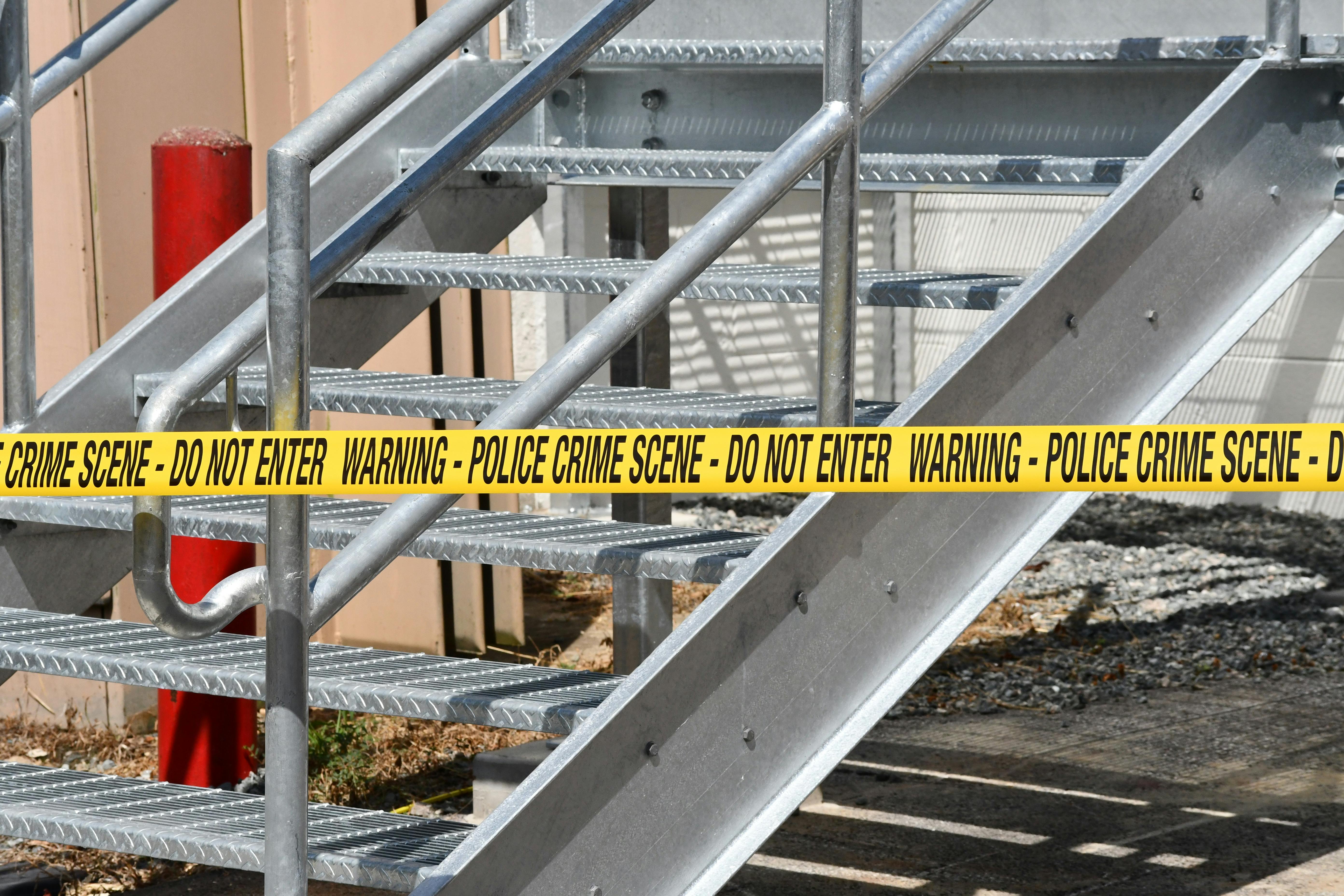
A massive fire in Norway has destroyed more than 100 homes and forced hundreds of residents to evacuate their communities. As emergency services battled the raging flames, unverified posts began circulating rapidly across social media platforms. These online claims falsely attempted to connect the natural disaster to political decisions made by the Norwegian government regarding trade policies with Israel.
WHO ARE THE KEY PLAYERS
The primary actors involved in managing the real-world crisis are Norwegian emergency responders, local municipal authorities, and affected residents who lost their properties. On the digital front, various anonymous social media accounts and commentators are responsible for spreading the unfounded conspiracy theories linking the fire to international geopolitics.
UNDERSTANDING THE LOCATION
Norway is a Scandinavian country in Northern Europe known for its high standard of living, strict environmental regulations, and robust social welfare systems. When disasters like severe fires occur in its tightly knit communities, the economic and emotional impact on everyday citizens is immense, similar to how sudden market shocks or unexpected fuel price hikes affect local traders in Nigerian commercial hubs.
BACKGROUND AND CONTEXT
In recent times, Norway's foreign policy stances regarding Middle Eastern conflicts have frequently attracted global attention. Social media users often exploit these geopolitical tensions, weaving them into unrelated domestic emergencies to score political points or drive online engagement. Fact-checking organizations continuously monitor these digital ecosystems to separate verified news from deliberate misinformation.
EXPLAINING IMPORTANT REFERENCES
The term 'fact-checking' refers to the investigative process of verifying claims made in public discourse to determine their truthfulness. In the context of global journalism, digital verification units use open-source intelligence, official police reports, and eyewitness accounts to debunk false narratives that spread faster than verified news.
IMPACT ANALYSIS
Spreading false information during a humanitarian crisis deepens the trauma of affected families and misleads the global public. For Nigeria and other nations grappling with their own security and economic challenges, the situation highlights the universal danger of unverified social media reports that can manipulate public sentiment and inflame ethnic or religious sensitivities.
WHAT HAPPENS NEXT
As Norwegian authorities continue their formal investigations into the actual cause of the blaze, local reconstruction efforts will focus on housing displaced families. Meanwhile, digital platforms face ongoing pressure from regulators and civil society to curb the rapid spread of dangerous disinformation.
HERO PERSPECTIVE
Leverage On Heroes Media takes an analytical stance focused on digital literacy and truth in reporting. We believe that safeguarding the public from the viral spread of fake news is just as crucial as reporting on physical disasters, ensuring communities remain resilient against manipulation.
CLOSING
Truth remains the first casualty of unverified digital noise. As global citizens, verifying facts before sharing information protects our communities from manufactured panic and preserves our collective reality.