
HEADLINE
Federal Government Assures Citizens: No Plan to Hike Electricity Tariff
OPENING HOOK
As household budgets remain tight across the federation, the Federal Government has stepped in to douse public anxiety over the cost of keeping the lights on.
WHAT HAPPENED
The Federal Government has formally dismissed widespread reports suggesting an imminent upward review of electricity tariffs for consumers connected to the national grid. Authorities emphasized that no such directive or policy adjustment has been approved, urging citizens to disregard speculations that could artificially trigger panic in local markets.
WHO ARE THE KEY PLAYERS
The primary institutional actors in this development include the Federal Ministry of Power, which oversees national energy policies, and the Nigerian Electricity Regulatory Commission, the independent agency responsible for setting sector guidelines and consumer protection standards.
UNDERSTANDING THE LOCATION
Nigeria operates a vast interconnected power grid managed from the National Control Centre located in Osogbo, Osun State, transmitting electricity across all six geopolitical zones to millions of residential and commercial consumers.
BACKGROUND AND CONTEXT
Electricity pricing in Nigeria has historically been a sensitive and contentious issue, often tied to macroeconomic indicators like inflation and foreign exchange rates. Past tariff reviews frequently sparked intense debates between labour unions such as the Nigeria Labour Congress and sector regulators over affordability and service delivery.
EXPLAINING IMPORTANT REFERENCES
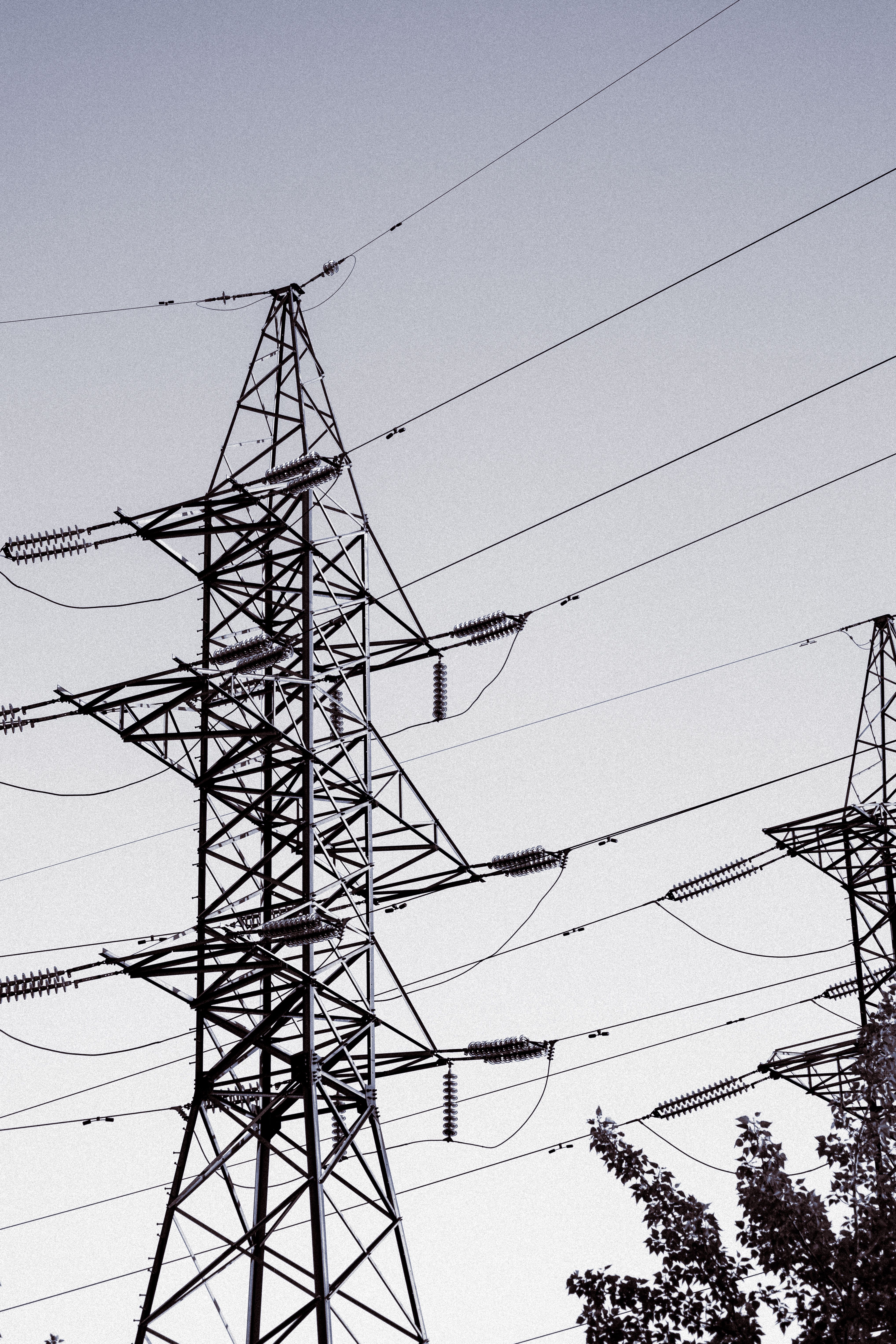
The national grid refers to the high-voltage network of transmission lines and substations that pools power generated from various thermal and hydro plants to distribute electricity nationwide. Tariff hikes directly impact the disposable income of citizens, affecting everything from small business operating costs to everyday household expenses.
IMPACT ANALYSIS
This official clarification provides immediate relief to consumers and small business owners who are already grappling with high transportation and food costs. Maintaining current tariff structures prevents an immediate compounding of inflationary pressures on the average Nigerian household.
WHAT HAPPENS NEXT
Regulators and power distribution companies will continue operating under the current multi-year tariff framework, while consumer advocacy groups monitor the situation closely to ensure compliance with existing pricing orders.
HERO PERSPECTIVE
The official assurance regarding the national grid tariff freeze provides a temporary anchor for consumers navigating volatile utility expenses under the current administration led by President Bola Ahmed Tinubu. Clear communication from regulatory authorities remains vital to preventing speculative price distortions in commercial and domestic sectors.
CLOSING
Stakeholders across the power value chain are advised to rely strictly on official channels for policy updates regarding utility pricing and sector reforms.