
HEADLINE
Federal Government Initiates Animal Identification, Traceability System to Boost Global Meat Exports
OPENING HOOK
In a strategic move aimed at diversifying its economy and unlocking new streams of foreign exchange, the Nigerian Federal Government has commenced work on an ambitious project: a national animal identification and traceability system. This initiative is poised to transform Nigeria's livestock sector, paving the way for its red meat and other animal protein products to compete on the global stage, a development long sought by agricultural stakeholders.
WHAT HAPPENED
The Federal Government of Nigeria has officially begun the implementation phase of a comprehensive animal identification and traceability system. This program, championed by the federal minister responsible for the agricultural sector, is designed to create a verifiable record for all livestock within the country. The minister stated that once fully operational, this system will provide the necessary credibility and assurance for Nigerian animal products to gain access to lucrative international markets, particularly for red meat and other animal proteins.
WHO ARE THE KEY PLAYERS
The primary actor in this development is the **Federal Government of Nigeria**, specifically the **Ministry of Agriculture and Food Security**, which is tasked with overseeing the nation's agricultural policies and development. The unnamed federal minister currently overseeing this ministry is the key proponent of this initiative. Other crucial players will include **livestock farmers and pastoralists** across the country, whose cooperation and adherence to the new system will be vital. Additionally, **veterinary services**, **meat processors**, and **export regulatory bodies** will play significant roles in ensuring compliance and facilitating export processes. International standard-setting organizations and potential importing countries will also indirectly influence the design and implementation of the system.
UNDERSTANDING THE LOCATION
This initiative impacts the entirety of **Nigeria**, a West African nation with a vast and diverse agricultural landscape. Livestock farming, particularly cattle, goats, and sheep, is a significant economic activity, especially prevalent in the North-West, North-East, and North-Central geopolitical zones. These regions are home to large pastoral communities and contribute substantially to the nation's meat supply. The success of this system hinges on effective implementation across these diverse geographical and cultural contexts, from bustling urban markets to remote rural grazing lands.
BACKGROUND AND CONTEXT
Historically, Nigeria's economy has been heavily reliant on crude oil exports, making it vulnerable to global oil price fluctuations. Successive governments have articulated the need for economic diversification, with agriculture consistently identified as a sector with immense untapped potential. Despite being a major producer of livestock, Nigeria has struggled to meet international sanitary and phytosanitary (SPS) standards required for exporting animal products. Previous efforts to formalize the livestock sector have faced challenges, including nomadic pastoralism, lack of adequate infrastructure, and insufficient data collection. This new initiative aligns with the current administration's focus on boosting non-oil exports and enhancing food security, reflecting a broader strategy to strengthen the Naira and improve the nation's balance of trade.
EXPLAINING IMPORTANT REFERENCES
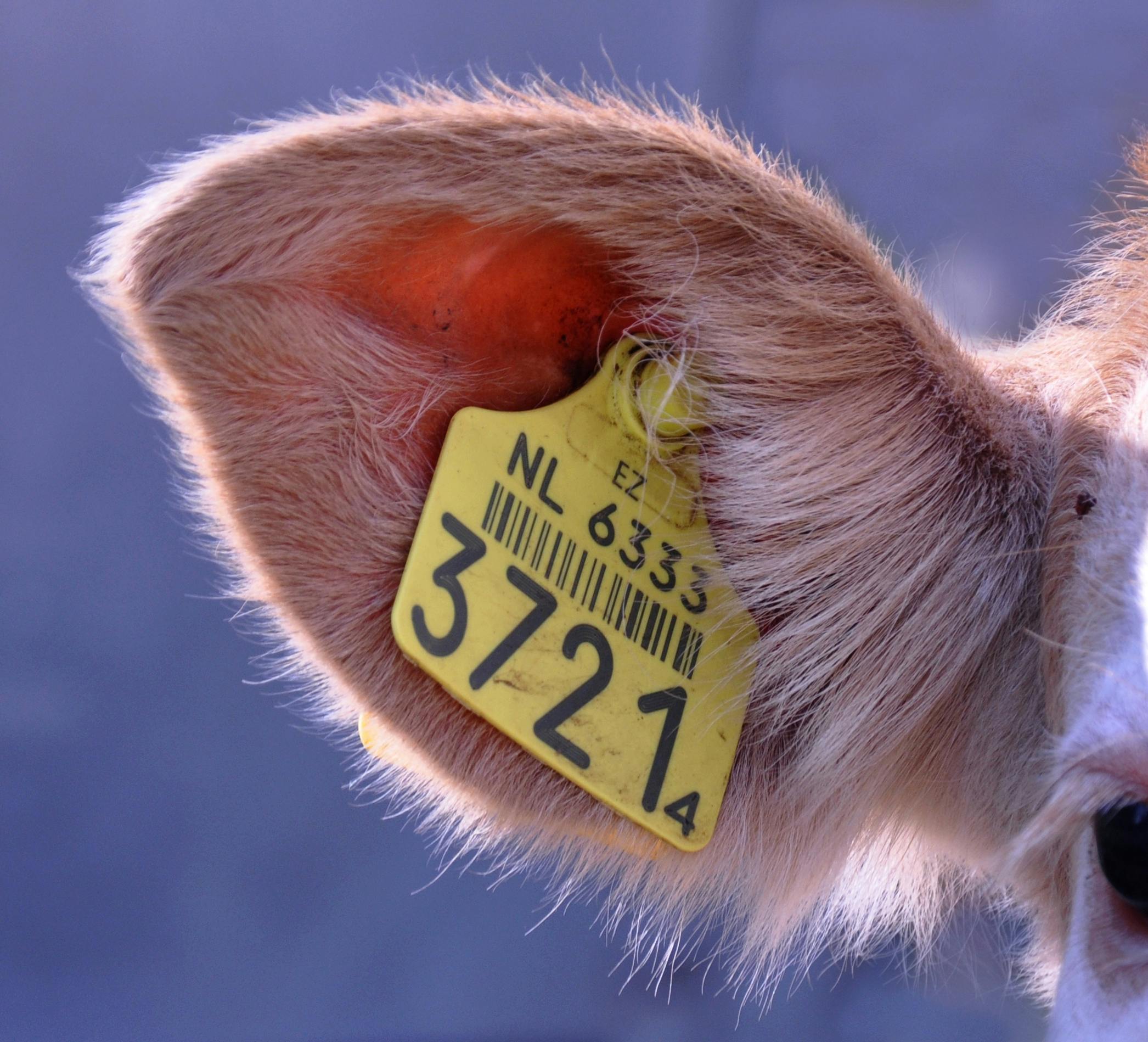
**Animal identification** refers to the process of assigning a unique, permanent identifier to each animal, much like a National Identification Number (NIN) for humans. This could involve ear tags, microchips, or branding, allowing individual animals to be distinguished. A **traceability system** then builds upon this by recording the animal's entire life history: its birth farm, vaccinations, movements, feed sources, health records, and slaughterhouse details. In simple Nigerian English, it means giving each cow, goat, or sheep its own 'passport' that tells you everywhere it has been and everything that has happened to it, from when it was born until it becomes 'ponmo' or 'suya'. This meticulous record-keeping ensures transparency and accountability, crucial for meeting the stringent import requirements of countries in Europe, America, and Asia, which prioritize food safety and animal welfare. **Red meat** typically refers to beef, lamb, and goat meat, while **animal protein products** encompass a wider range including poultry, dairy, and processed meat items.
IMPACT ANALYSIS
The successful implementation of an animal identification and traceability system holds significant implications for Nigeria. Economically, it promises to unlock substantial foreign exchange earnings from agricultural exports, reducing reliance on oil. Farmers stand to gain improved market access and potentially higher prices for their livestock, stimulating growth in the rural economy. For consumers, both domestically and internationally, it assures greater food safety and quality, as the origin and health status of meat products can be verified. This could also help in disease control, making it easier to track and contain outbreaks. However, challenges loom, including the substantial cost of infrastructure development, the need for extensive farmer education and buy-in, and the logistical complexities of tracking millions of animals across diverse terrains. Ensuring equitable benefits for all stakeholders, especially small-scale pastoralists, will be critical.
WHAT HAPPENS NEXT
Following this announcement, the next steps will likely involve the development of a detailed national framework, pilot programs in key livestock-producing regions, and extensive stakeholder consultations. This will include engaging with farmer associations, veterinary councils, and state governments. Legislative backing may also be required to enforce compliance. The Federal Government will need to invest in technology, training, and infrastructure, including registration centers and data management systems. International partnerships, technical assistance, and certification bodies will be crucial to ensure the system meets global standards. The timeline for full implementation is expected to span several years, given the scale and complexity of the undertaking.
HERO PERSPECTIVE
Leverage On Heroes Media views this initiative as a critical step towards Nigeria's long-term economic resilience and global competitiveness. While the ambition is commendable, the true 'heroic' effort will lie in the diligent, transparent, and inclusive execution of this system. It is not enough to simply announce; the federal government must ensure robust funding, sustained political will, and genuine collaboration with local communities and experts. This system has the potential to transform the lives of millions of Nigerians involved in the livestock value chain, but only if it is implemented with integrity, accountability, and a clear vision for sustainable growth, rather than becoming another policy that fails to translate into tangible benefits for the common man.
CLOSING
The journey towards becoming a significant global exporter of animal products is long and demanding, but the commencement of a national identification and traceability system marks a definitive step forward for Nigeria. The eyes of the nation, and indeed the international community, will now be on the Federal Government to see if this promise of economic diversification and enhanced food security can be fully realized.