
HEADLINE
Global Oil Prices Surge as Tanker Incident and US-Iran Tensions Threaten Supply Lines
OPENING HOOK
When the cost of crude oil jumps internationally, the ripple effect is felt right down to the pump prices and transport fares on Nigerian streets. Recent developments in the Middle East have sent energy markets into a frenzy, reminding everyone how fragile global fuel supplies truly are.
WHAT HAPPENED
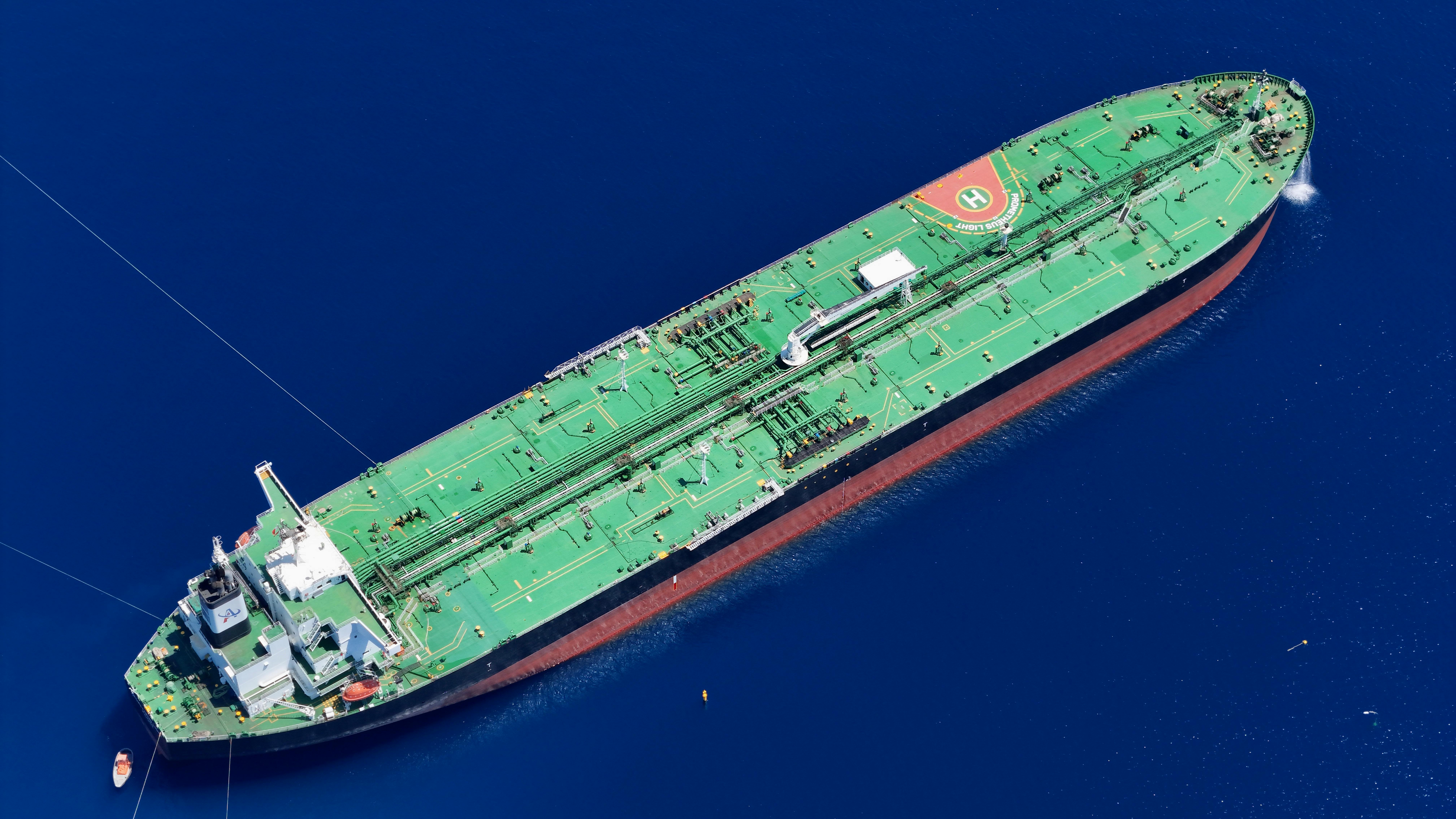
Global crude oil prices climbed following a maritime strike involving a commercial tanker situated off the coast of Saudi Arabia. This incident coincided with sharp escalations from Washington, where United States President Donald Trump issued stern warnings regarding the security of international shipping lanes. The combination of physical disruption at sea and heightened geopolitical posturing immediately triggered nervous reactions across international commodities exchanges, driving benchmark energy prices upward.
WHO ARE THE KEY PLAYERS
Donald J. Trump serves as the President of the United States, leading American foreign policy and directing national security responses in critical regions like the Middle East. Meanwhile, the Islamic Republic of Iran remains a central figure due to its strategic geographical position along major maritime choke points and its ongoing diplomatic friction with Western powers. Saudi Arabia, as a leading global oil exporter, provides the physical waters and infrastructure where critical energy transit takes place.
UNDERSTANDING THE LOCATION
The events unfold primarily in the waters off Saudi Arabia and near the Strait of Hormuz. The Strait of Hormuz is a narrow and vital waterway separating the Persian Gulf and the Gulf of Oman, serving as the world's most critical oil transit chokepoint through which a significant portion of globally traded petroleum passes daily.
BACKGROUND AND CONTEXT
Tensions between Washington and Tehran have a deep historical background, often revolving around nuclear agreements, economic sanctions, and regional influence. Whenever geopolitical friction spikes in this region, international oil markets react instantly because any blockade or disruption in the Middle East threatens the steady flow of crude oil needed to power global economies, directly influencing how much ordinary citizens pay for energy products.
EXPLAINING IMPORTANT REFERENCES
Crude oil serves as the raw material processed into everyday products like Petrol (known officially as Premium Motor Spirit or PMS) and diesel, which power generators, commercial transport, and small businesses across Nigeria. Geopolitical risk premium refers to the extra cost added to commodity prices by traders anticipating potential supply shortages or conflicts.
IMPACT ANALYSIS
For Nigeria, an OPEC (Organization of the Petroleum Exporting Countries) member nation whose economy relies heavily on petroleum export revenues, rising global oil prices can theoretically boost foreign exchange earnings. However, because Nigeria imports a vast majority of its refined fuel products, higher international crude costs frequently translate into higher landing costs for petrol, potentially squeezing household budgets and increasing the price of goods and public transport.
WHAT HAPPENS NEXT
Energy analysts will closely monitor maritime security deployments in the Middle East and any subsequent diplomatic communications between Washington and Tehran. Markets will remain volatile, reacting swiftly to any further incidents involving commercial vessels or changes in regional military posture.
HERO PERSPECTIVE
At Leverage On Heroes Media, our editorial angle focuses on the human and economic vulnerability of everyday citizens to distant international conflicts. We cut through the diplomatic jargon to show how foreign policy disputes in the Middle East directly impact the daily cost of living for families and business owners across Nigeria.
CLOSING
As global markets navigate this period of heightened uncertainty, staying informed about international energy trends remains essential for understanding local economic realities.