HEADLINE
Iran Intensifies Control Over Vital Strait of Hormuz Amidst Khamenei's Funeral Rites
OPENING HOOK
The solemn period of national mourning following the death of Iran's Supreme Leader, Ayatollah Ali Khamenei, has unexpectedly coincided with a significant escalation of military and diplomatic maneuvers aimed at asserting greater Iranian control over the Strait of Hormuz. This critical waterway, a choke point for global energy supplies, is once again at the heart of international attention, raising questions about regional stability and economic implications.
WHAT HAPPENED
In a move that has drawn swift international concern, the Islamic Revolutionary Guard Corps (IRGC), Iran's elite military and security force, has reportedly intensified its presence and operational control within the Strait of Hormuz. Over the past 48 hours, as millions gathered in Tehran to mourn the late Supreme Leader, reports indicate that IRGC warnings have compelled international merchant vessels to alter course or turn back. Concurrently, Tehran has reportedly dispatched diplomatic messages to Gulf delegations, subtly referencing passages from the Qur’an, underscoring its historical and religious claims to influence over the waterway. This dual approach—military assertion and diplomatic messaging—suggests a concerted effort to reinforce Iran's dominance during a period of national transition.
WHO ARE THE KEY PLAYERS
- **Iran:** The Islamic Republic, a major Middle Eastern power, whose foreign policy often involves asserting regional influence and safeguarding its national interests, particularly concerning its maritime borders.
- **Islamic Revolutionary Guard Corps (IRGC):** A powerful branch of Iran's armed forces, distinct from the regular army, responsible for protecting the country's Islamic revolutionary ideals. The IRGC has significant naval capabilities and often patrols the Strait of Hormuz.
- **Ayatollah Ali Khamenei:** The recently deceased Supreme Leader of Iran, who held ultimate authority in the country for over three decades. His legacy is now being evaluated, with some analysts suggesting his grip on the Strait of Hormuz could define a key aspect of his leadership.
- **Gulf Delegations:** Refers to representatives from Arab states bordering the Persian Gulf, such as Saudi Arabia, Qatar, UAE, and Kuwait, who are often at odds with Iran over regional influence and security.
- **International Shipping Community:** Comprises the global network of maritime companies, vessel operators, and port authorities whose operations depend on safe passage through vital waterways like the Strait of Hormuz.
UNDERSTANDING THE LOCATION
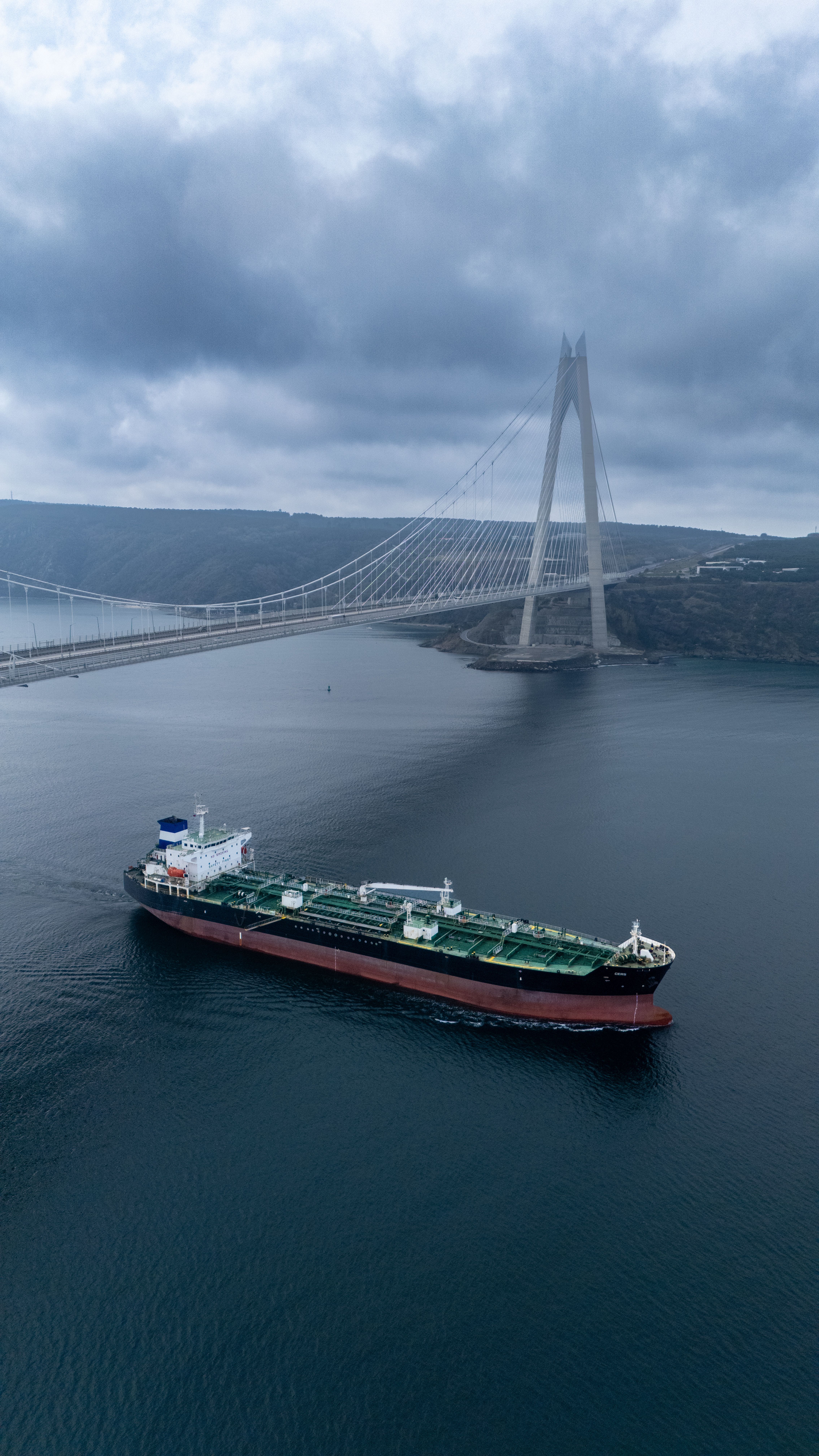
The **Strait of Hormuz** is a narrow, strategically vital waterway connecting the Persian Gulf to the Arabian Sea and the open ocean. It is approximately 39 kilometers (24 miles) wide at its narrowest point. This strait is one of the world's most important oil transit choke points, with roughly one-fifth of the world's total oil consumption and a significant portion of its liquefied natural gas passing through it daily. Any disruption to shipping in this strait can have immediate and severe impacts on global energy prices and international trade, affecting economies far beyond the Middle East, including nations like Nigeria, which are sensitive to global oil market fluctuations.
BACKGROUND AND CONTEXT
Iran's assertion over the Strait of Hormuz is not new. Throughout its modern history, particularly since the 1979 Islamic Revolution, Iran has viewed the Strait as a crucial element of its national security and a potential leverage point against international pressures. There have been numerous instances of tension, including tanker attacks, naval confrontations, and threats to close the Strait, especially during periods of sanctions or heightened geopolitical rivalry. The current moves by the IRGC, coming during the solemn period of Khamenei's funeral, could be interpreted as a deliberate demonstration of strength and continuity, designed to project an image of unwavering resolve to both domestic and international audiences, even amidst a leadership transition.
EXPLAINING IMPORTANT REFERENCES
- **Qur'an passages to send messages:** This refers to Iran's use of religious texts and symbolism in its diplomatic communications. By referencing the Qur'an, Tehran aims to convey messages that resonate with Islamic values and traditions, potentially appealing to shared heritage with other Gulf nations while subtly asserting its own interpretation of regional order and divine right.
- **Monopoly control:** In this context, it refers to Iran's aspiration to exercise unchallenged authority over all maritime activities within the Strait of Hormuz, effectively dictating terms of passage and security, rather than adhering to international conventions on free navigation.
- **Khamenei’s legacy depends on Tehran’s grip on the waterway, and so the global economy:** This highlights the perception that control over the Strait of Hormuz is not merely a strategic asset but a symbol of Iran's power and influence. For some, maintaining this control is crucial for the legacy of the late Supreme Leader, as it underscores Iran's ability to impact global economic stability and assert its sovereignty on the world stage.
IMPACT ANALYSIS
The heightened Iranian activity in the Strait of Hormuz carries significant implications. Economically, any perceived threat to the free flow of oil could trigger volatility in global crude oil prices, impacting everything from transport costs for Nigerian commuters to the profitability of businesses reliant on energy. Regionally, it escalates tensions with Gulf neighbours and international powers, increasing the risk of miscalculation or confrontation. For Iran itself, this assertion during a period of transition could strengthen the hand of hardliners domestically, but it also risks further international isolation and potential sanctions. The diplomatic messages, while symbolic, underscore the complex interplay of religion, history, and geopolitics in the region.
WHAT HAPPENS NEXT
The international community, particularly major maritime nations and oil importers, will be closely monitoring the situation. Expect a mix of diplomatic condemnations, calls for de-escalation, and possibly increased naval presence from international forces to ensure freedom of navigation. Iran will likely continue its calibrated approach, balancing assertive displays of power with diplomatic overtures. The immediate future will reveal whether this is a temporary show of force during a sensitive period or a sustained shift in Iran's strategy to cement its control over the Strait of Hormuz, with profound implications for global trade and security.
HERO PERSPECTIVE
Leverage On Heroes Media views the escalating tensions in the Strait of Hormuz as a critical test of international diplomacy and a stark reminder of the interconnectedness of global energy security. While mourning a national leader, Iran's actions underscore the enduring geopolitical sensitivities surrounding vital maritime choke points. Our editorial angle emphasizes the necessity for peaceful resolution and adherence to international maritime laws to prevent disruptions that could destabilize global markets and disproportionately affect developing economies, including Nigeria, which relies heavily on stable international trade and energy prices. We advocate for transparency and dialogue to safeguard global economic stability against regional power plays.
CLOSING
The delicate balance of power in the Persian Gulf remains a focal point of global concern. As Iran navigates a period of leadership transition, its actions in the Strait of Hormuz will undoubtedly shape its future relations with the international community and dictate the stability of a waterway crucial to the world's energy supply. All eyes remain on the Strait, awaiting the next chapter in this enduring geopolitical saga.