
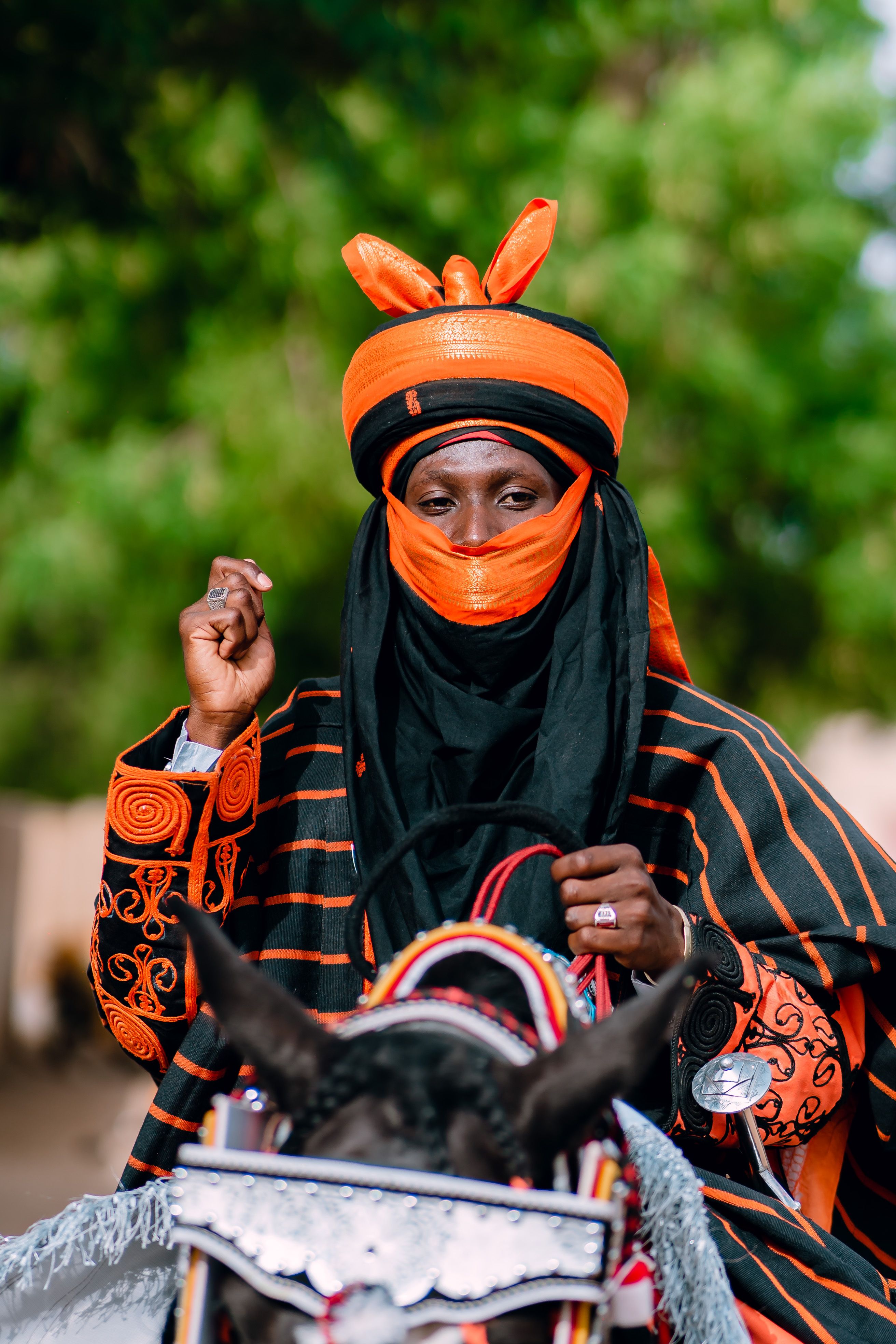
HEADLINE
Mali, Niger, and Burkina Faso Launch Joint Bid to Host AFCON 2032
OPENING HOOK
Football unites nations, but can a partnership of three land-locked West African states pull off continent-sized dreams without breaking the bank?
WHAT HAPPENED
Mali, Niger, and Burkina Faso have officially submitted a joint bid to host the 2032 Africa Cup of Nations, known as AFCON. The three countries, which form a political and security alliance known as the Alliance of Sahel States, are seeking to pool their resources, infrastructure, and security arrangements to bring African football's biggest showpiece to the Sahel region.
WHO ARE THE KEY PLAYERS
The bid is driven by the sports ministries and football federations of Mali, Niger, and Burkina Faso. These nations are currently governed by military-led authorities who came to power through a series of recent political transitions. Their joint bid is part of a broader diplomatic and economic strategy to strengthen regional integration and present a unified front on the international stage.
UNDERSTANDING THE LOCATION
The bid encompasses three sovereign nations located in the heart of West Africa: Mali, Niger, and Burkina Faso. These countries share deep historical, cultural, and economic ties, heavily reliant on agriculture, livestock, and cross-border trade. Economically, major infrastructure projects require heavy capital investment, making large-scale sports tourism a massive financial undertaking for their respective treasuries.
BACKGROUND AND CONTEXT
Hosting a continental tournament like AFCON requires massive financial commitments, comparable to funding multiple large public works projects or boosting national budgets significantly. Historically, hosting duties have fallen to single nations with robust economies or shared bids between stable neighboring states. The Confederation of African Football oversees the bidding process, evaluating stadium standards, transport networks, and hotel accommodations before awarding hosting rights.
EXPLAINING IMPORTANT REFERENCES
AFCON refers to the Africa Cup of Nations, the premier men's football championship in Africa, organized by the Confederation of African Football. Winning the bid means upgrading stadia, modernizing airports, and improving hospitality sectors to international standards, which directly impacts national development spending.
IMPACT ANALYSIS
If successful, hosting AFCON 2032 could trigger massive infrastructure development across the three Sahel countries, creating jobs in construction, transport, and hospitality. However, critics note the enormous financial burden on taxpayers, especially in nations facing pressing developmental and security challenges. For everyday citizens, the economic ripple effects could mirror the cost of major national projects, influencing inflation and government spending priorities.
WHAT HAPPENS NEXT
The Confederation of African Football will review the technical dossiers submitted by Mali, Niger, and Burkina Faso, inspecting proposed venues and assessing government guarantees. The final decision on the 2032 host nation or nations will be made by the governing body in the coming years, setting off a race to meet strict infrastructure timelines.
HERO PERSPECTIVE
At Leverage On Heroes Media, our editorial angle focuses on regional solidarity and economic pragmatism. We view this joint bid not just as a sporting ambition, but as a bold test of economic cooperation and infrastructural resource-sharing among developing nations.
CLOSING
As the bidding process moves forward, all eyes will be on how Mali, Niger, and Burkina Faso mobilize funds and rally international support for their historic 2032 dream.