
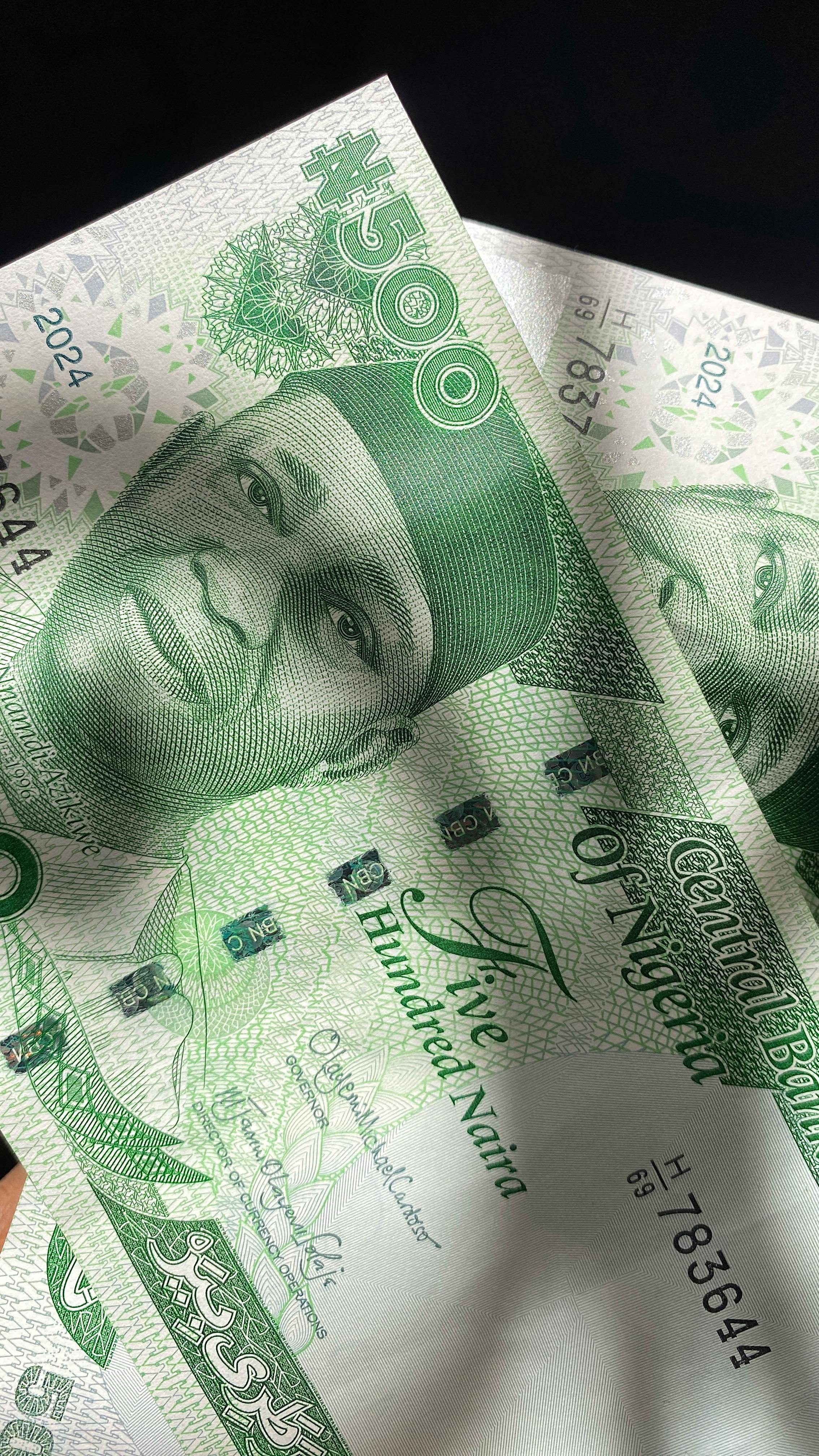
HEADLINE
Naira Continues Slide: Official and Parallel Markets See Depreciation Against Dollar
OPENING HOOK
In a development that has once again put Nigeria's economic stability under the spotlight, the national currency, the Naira, has recorded a significant dip against the United States Dollar, causing ripples of concern across households and businesses nationwide.
WHAT HAPPENED
On Tuesday, July 7, 2026, the Nigerian Naira depreciated against the US Dollar in both the official and parallel foreign exchange markets. Data released by the Central Bank of Nigeria (CBN) indicated that the Naira weakened to N1,375.75 per dollar in the official market, a decline of N7.48 from the N1,368.27 recorded the previous day. Concurrently, the parallel market, often referred to as the black market, saw the Naira fall further to N1,415 per dollar, down from N1,410 traded on Monday. This depreciation occurred even as the country's foreign reserves surged to $51.58 billion on July 6, 2026.
WHO ARE THE KEY PLAYERS
**Central Bank of Nigeria (CBN):** This is the apex monetary authority of Nigeria, responsible for maintaining the country's financial stability, managing foreign exchange, and regulating banks. Its policies directly influence the Naira's value. The CBN provides the official exchange rate data and intervenes in the market to manage liquidity. Its actions, or inactions, have profound effects on the economy.
**Nigerian Naira:** The official currency of the Federal Republic of Nigeria. Its performance against international currencies like the US Dollar is a critical indicator of the nation's economic health, impacting everything from import costs to foreign investment.
**US Dollar:** The primary international reserve currency and a benchmark for global trade and finance. Its strength or weakness against other currencies, including the Naira, dictates the cost of imports, foreign education, and international transactions for Nigerians.
**Parallel Market (Black Market):** This informal segment of the foreign exchange market operates outside the official regulatory framework. It often caters to demand that cannot be met by the official window, typically involving individuals and businesses seeking foreign currency for various purposes, including travel, medical tourism, and informal trade. The rates here are often higher than official rates and are a sensitive barometer of public confidence and supply-demand dynamics.
UNDERSTANDING THE LOCATION
Nigeria, Africa's most populous nation and largest economy, is heavily reliant on crude oil exports for its foreign exchange earnings. Its economic landscape is characterized by a significant import bill, a large informal sector, and a population highly sensitive to the cost of living. The performance of the Naira directly impacts the purchasing power of citizens, the cost of raw materials for industries, and the attractiveness of the country for foreign direct investment. The implications of currency depreciation are felt across all geopolitical zones, from traders in Lagos to farmers in Kano, as import costs for essential goods like medicines, machinery, and even food items rise.
BACKGROUND AND CONTEXT
The Nigerian foreign exchange market has experienced significant volatility in recent years, largely stemming from fluctuating oil prices, global economic shifts, and domestic policy adjustments. The CBN has implemented various reforms, including efforts to unify exchange rates and manage liquidity, aiming to stabilize the Naira. Historically, Nigeria has grappled with a persistent demand for foreign currency that often outstrips supply, leading to a perennial gap between official and parallel market rates. The recent appreciation of the Naira, followed by this current depreciation, highlights the delicate balance the CBN attempts to maintain in a complex economic environment. The increase in foreign reserves, while positive, indicates that the underlying demand pressures for foreign exchange remain potent.
EXPLAINING IMPORTANT REFERENCES
**Official Market:** This refers to the regulated foreign exchange window managed by the Central Bank of Nigeria, where authorized dealers (banks) trade foreign currency at rates determined by the CBN's policies and market forces within a controlled framework. It primarily serves critical sectors and government needs.
**Parallel Market:** As explained above, this is the unregulated, informal market for foreign currency. Its rates are driven purely by demand and supply outside official channels, often reflecting real-time market sentiment and perceived scarcity.
**Foreign Reserves:** These are assets held by the Central Bank in foreign currencies, typically US Dollars, Euros, and British Pounds. They serve as a buffer against economic shocks, support the value of the national currency, and facilitate international trade and payments. A healthy foreign reserve position provides confidence to investors and helps the CBN intervene in the foreign exchange market when necessary. The recent surge to $51.58 billion signifies a stronger capacity to defend the Naira, even if current market dynamics show depreciation.
IMPACT ANALYSIS
The depreciation of the Naira directly translates to an increased cost of living for average Nigerians. Imported goods, from essential medicines to electronics and even food items, become more expensive. Businesses relying on imported raw materials face higher production costs, which are often passed on to consumers. For instance, the cost of a bag of rice or a vehicle spare part, largely imported, will likely see an upward adjustment. This fuels inflation, eroding the purchasing power of salaries and savings. For students studying abroad, school fees and living expenses become significantly higher in Naira terms. While exporters might initially benefit from earning more Naira for their foreign currency, the overall economic instability can deter long-term investment. The widening gap between the official and parallel market rates also creates arbitrage opportunities and can foster illicit activities, further complicating the CBN's efforts to stabilize the market.
WHAT HAPPENS NEXT
The Central Bank of Nigeria is expected to continue monitoring the market closely. Potential actions could include further interventions to supply foreign exchange to the official market, adjusting interest rates to attract foreign portfolio investment, or implementing new policy directives aimed at boosting non-oil exports and reducing import dependence. Businesses and individuals will likely continue to navigate the volatility, seeking alternative sources of foreign exchange or adjusting their consumption and investment patterns. The government's fiscal policies, particularly those related to revenue diversification and expenditure management, will also play a crucial role in supporting the Naira's stability. The interplay between global oil prices and domestic economic reforms will largely dictate the currency's trajectory in the coming months.
HERO PERSPECTIVE
Leverage On Heroes Media believes that the current depreciation of the Naira, despite rising foreign reserves, underscores the urgent need for comprehensive and consistent economic policies that foster long-term stability rather than short-term fixes. While the increase in reserves is a positive indicator of Nigeria's financial strength, it must be leveraged effectively to address the fundamental demand-supply imbalances in the foreign exchange market. We call for greater transparency in currency management, decisive action against speculative practices, and a renewed focus on diversifying the nation's export base beyond crude oil. Empowering local production and reducing import reliance are critical to building a resilient economy where the Naira's value truly reflects Nigeria's potential, ensuring that the burden of currency fluctuations does not disproportionately fall on the shoulders of hardworking Nigerians.
CLOSING
The continued depreciation of the Naira presents a formidable challenge to Nigeria's economic aspirations. As the nation navigates these turbulent waters, the path forward demands strategic foresight, disciplined execution, and a unwavering commitment to policies that prioritize sustainable growth and the welfare of every Nigerian citizen.