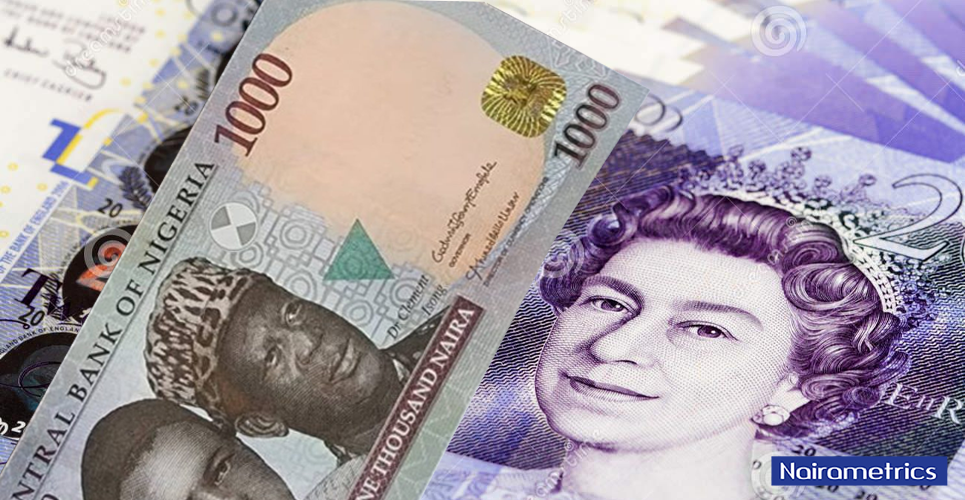
Naira Gains Against British Pound Amidst Forex Interventions, Faces Ongoing US Dollar Pressure
The Nigerian Naira has shown resilience, gaining ground against the British Pound on both official and parallel markets, even as it continues to grapple with pressure from the US Dollar, driven by sustained Central Bank interventions.
HEADLINE
Naira Gains Against British Pound Amidst Forex Interventions, Faces Ongoing US Dollar Pressure
OPENING HOOK
In a significant development for Nigeria's often-volatile foreign exchange landscape, the Nigerian Naira has recently demonstrated an improved performance against the British Pound, even as it continues to navigate persistent challenges in its valuation against the dominant US Dollar. This shift is largely attributed to a series of strategic interventions by the nation’s apex bank.
WHAT HAPPENED
The Nigerian Naira experienced a notable appreciation against the British Pound Sterling across both the official Nigerian Foreign Exchange Market (NFEM) and the parallel market. This positive movement for the Naira coincided with a period where it maintained a relatively stable, albeit still pressured, position against the United States Dollar. Market analysts largely credit this performance to the sustained efforts by the Central Bank of Nigeria (CBN) to inject liquidity and manage demand within the foreign exchange ecosystem.
WHO ARE THE KEY PLAYERS
**The Nigerian Naira:** The official currency of the Federal Republic of Nigeria, whose value is central to the nation's economic stability and the purchasing power of its citizens.
**The British Pound Sterling (GBP):** The official currency of the United Kingdom, a major global currency often used for international trade and investment.
**The United States Dollar (USD):** The world's primary reserve currency, crucial for global trade, oil transactions, and a benchmark for many national economies, including Nigeria's.
**The Central Bank of Nigeria (CBN):** Nigeria's primary financial regulator, responsible for monetary policy, maintaining price stability, issuing currency, and managing the country's foreign exchange reserves. Its interventions are key to stabilizing the Naira.
UNDERSTANDING THE LOCATION
This financial activity primarily unfolds within **Nigeria**, Africa's largest economy and most populous nation, which heavily relies on foreign exchange for imports and international trade. The value of the Naira directly impacts the cost of living and doing business across its six geopolitical zones. The **United Kingdom** and the **United States** are key trading partners and sources of foreign investment for Nigeria, making the exchange rates against their respective currencies particularly impactful.
BACKGROUND AND CONTEXT
Nigeria has historically grappled with foreign exchange volatility, driven by factors such as fluctuating crude oil prices (its primary export), high demand for imports, and speculative activities. The country operates a dual exchange rate system, comprising the official Nigerian Foreign Exchange Market (NFEM) and a more informal parallel market. The Central Bank of Nigeria (CBN) frequently intervenes in these markets to bridge the gap between demand and supply, aiming to stabilize the Naira and curb inflationary pressures. Recent years have seen the Naira under considerable strain, making any gain, particularly against a major currency like the Pound, a significant development.
EXPLAINING IMPORTANT REFERENCES
**Nigerian Foreign Exchange Market (NFEM):** This is the official platform managed by the Central Bank of Nigeria where commercial banks, licensed Bureau De Change operators, and other authorized dealers trade foreign currencies. It's where the official exchange rate is determined.
**Parallel Market:** Also known as the black market, this is an unofficial channel for currency exchange, operating outside the formal banking system. Rates here are typically higher than official rates due to demand-supply imbalances, speculative activities, and perceived scarcity in the official market.
**Sustained Intervention:** Refers to the continuous efforts by the Central Bank of Nigeria to influence the exchange rate. This usually involves selling foreign currency (like US Dollars) directly into the market to increase supply, thereby strengthening the Naira or preventing further depreciation. These interventions consume a portion of the nation's foreign reserves.
IMPACT ANALYSIS
The Naira's gain against the British Pound offers a glimmer of relief, potentially easing the cost of imports from the UK and making travel or education in Britain slightly less expensive for Nigerians, relative to recent times. This could translate to marginal reductions in the market price of goods imported from the UK, benefiting consumers. However, the ongoing pressure from the US Dollar remains a critical concern. Since many international transactions, including crude oil sales and a large portion of Nigeria's imports, are denominated in Dollars, a strong Dollar against the Naira means continued high costs for businesses and consumers. This situation highlights the CBN's delicate balancing act: managing multiple currency pressures while trying to maintain overall economic stability and control inflation, which currently stands at over 33%.
WHAT HAPPENS NEXT
Market watchers will be observing the Central Bank of Nigeria's future actions closely. Continued sustained intervention by the CBN is expected to be crucial in maintaining the Naira's stability, particularly against the US Dollar. The effectiveness of these interventions will depend on Nigeria's foreign reserve levels and the government's broader economic policies aimed at boosting local production and reducing import dependency. Any significant shifts in global oil prices or international trade dynamics could also swiftly alter the Naira's trajectory. Furthermore, the interplay between the official and parallel market rates will remain a key indicator of market confidence and the success of CBN's strategies.
HERO PERSPECTIVE
**Leverage On Heroes Media** views this development as a testament to the Central Bank's active role in market stabilization, but also a stark reminder of the persistent structural issues within Nigeria's economy. While the Naira's strength against the Pound is a positive signal for specific trade corridors, the continued battle against the US Dollar underscores the urgent need for a diversified export base, increased local production, and policies that attract sustainable foreign direct investment. True economic heroism lies in fostering long-term, self-sustaining forex stability, rather than relying solely on interventions.
CLOSING
The recent movements in Nigeria's foreign exchange market offer a mixed bag of progress and persistent challenges. While the Naira's appreciation against the British Pound is a welcome development, the overriding influence of the US Dollar on the Nigerian economy ensures that the Central Bank's efforts to achieve enduring currency stability will remain a central focus for the foreseeable future.