
HEADLINE
Nigerian Stock Market Gains N9.34 Trillion in Seven-Day Buying Spree Amidst Economic Reforms
OPENING HOOK
In a period marked by significant economic adjustments, Nigeria's stock market has demonstrated remarkable resilience, with investors pouring capital into equities, leading to an unprecedented N9.34 trillion increase in market value within a single week. This surge signals a renewed, albeit cautious, optimism in the nation's economic landscape.
WHAT HAPPENED
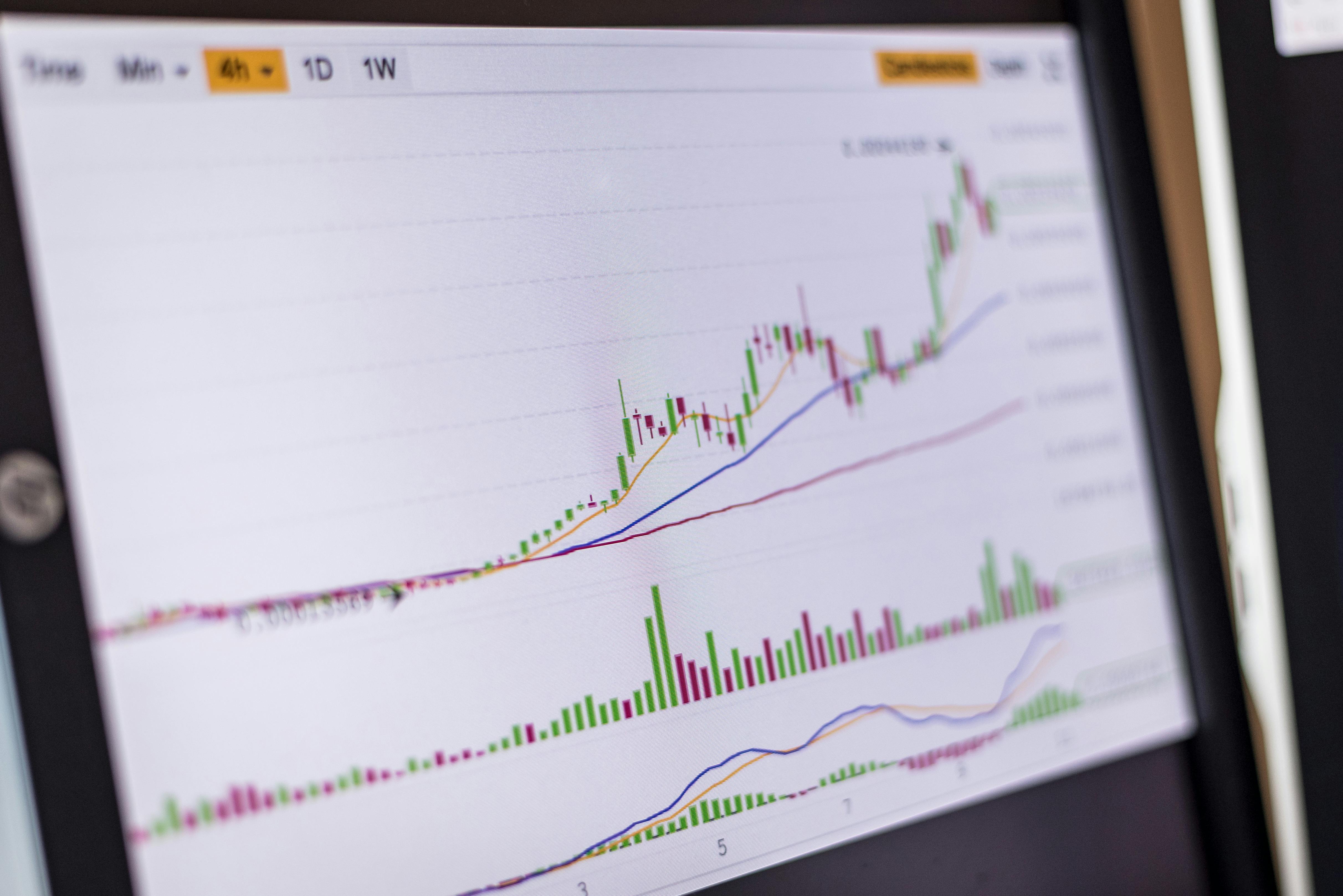
The Nigerian equities market, which is where shares of publicly listed companies are bought and sold, witnessed a spectacular seven-day buying spree that concluded last Friday, adding a staggering N9.34 trillion to its total market capitalization. This translates to an average daily gain of over N1.3 trillion, effectively minting new value for shareholders. This aggressive rebound follows a period of mixed performance and indicates a strong 'bullish' sentiment, meaning investors expect share prices to continue rising.
WHO ARE THE KEY PLAYERS
The primary institution overseeing this activity is the **Nigerian Exchange Group (NGX)**, formerly known as the Nigerian Stock Exchange, which provides the platform for trading. The **Securities and Exchange Commission (SEC)** acts as the apex regulatory body, ensuring market integrity and investor protection. Key participants include **institutional investors** (like pension funds and asset managers), **retail investors** (individual Nigerians buying shares), and increasingly, **foreign investors** looking for opportunities. The **Central Bank of Nigeria (CBN)**, under Governor Olayemi Cardoso, plays a crucial role through its monetary policy decisions, such as setting the Monetary Policy Rate (MPR), which influences interest rates and, by extension, investment flows into the stock market versus fixed-income instruments. The **Federal Government**, led by President Bola Ahmed Tinubu, also impacts market sentiment through its fiscal policies and economic reforms.
UNDERSTANDING THE LOCATION
While the Nigerian stock market operates nationally, its hub is predominantly in Lagos, the country's commercial nerve center. Nigeria, a diverse West African nation, is Africa's largest economy by Gross Domestic Product (GDP). Its economic performance is heavily influenced by global oil prices, agricultural output, and the stability of its financial sector. The recent market surge reflects how national economic policies can ripple through the financial ecosystem, impacting wealth creation across various geopolitical zones, from the bustling South-West to the agricultural North-West.
BACKGROUND AND CONTEXT
The recent market rally occurs against a backdrop of significant economic reforms initiated by President Bola Ahmed Tinubu's administration since May 2023. These include the removal of the petrol (Premium Motor Spirit - PMS) subsidy and the unification of foreign exchange rates. While these policies initially led to increased hardship for many Nigerians due to higher costs of living and a depreciating naira, they were generally welcomed by financial markets as steps towards fiscal sustainability and attracting foreign investment. High inflation and rising interest rates in the fixed-income market (like government bonds) have also, paradoxically, pushed some investors towards equities in search of higher returns, seeing them as a hedge against inflation.
EXPLAINING IMPORTANT REFERENCES
- **Equities Market**: Simply put, this is the stock market where ownership shares (equities) in companies are bought and sold. When you buy shares, you own a tiny piece of that company.
- **N9.34 Trillion Market Capitalization Gain**: This means the total value of all shares listed on the Nigerian Exchange increased by this enormous sum. To put it in perspective, N9.34 trillion is equivalent to roughly a significant portion of Nigeria's annual federal budget or enough to fund several major national infrastructure projects. It represents a substantial increase in the paper wealth of investors and listed companies.
- **Buying Spree/Bullish Dominance**: This describes a period when investors are aggressively purchasing shares, driving up prices. 'Bullish' refers to an optimistic outlook where market participants expect prices to rise.
- **Rebounded Aggressively**: This means the market recovered very strongly and quickly after a period of decline or stagnation.
- **Fixed Income Market**: This segment of the financial market deals with investments that pay fixed returns, such as government bonds or treasury bills. When interest rates are high, these can compete with equities for investor funds.
IMPACT ANALYSIS
The N9.34 trillion surge has several implications. Firstly, it signifies a boost in investor confidence, both local and potentially foreign, in the Nigerian economy's prospects. This can lead to increased capital formation, meaning companies can raise more funds for expansion, creating jobs and stimulating economic growth. Secondly, it represents a significant increase in wealth for shareholders, including pension funds, which manage the savings of millions of Nigerians. However, the market's volatility means these gains can also be temporary. While positive, the rally needs to be sustainable and translate into real economic growth for the benefit of ordinary citizens, not just market participants.
WHAT HAPPENS NEXT
Market watchers will closely monitor several factors. The sustainability of this rally will depend on continued positive corporate earnings, the stability of the naira, and the government's commitment to consistent economic policies. The Central Bank of Nigeria's decisions on the Monetary Policy Rate (MPR) will also be critical; further rate hikes could make fixed-income investments more attractive, potentially diverting funds from equities. Global economic trends and commodity prices, especially crude oil, will also play a role. Investors will be looking for clear signals that the underlying economy is strengthening, not just the stock market.
HERO PERSPECTIVE
Leverage On Heroes Media views this significant market rally as a testament to the resilience of the Nigerian spirit and the potential for growth even amidst challenging economic reforms. It underscores the critical importance of transparent governance and consistent policy implementation in building investor confidence. While the gains are substantial, our editorial angle emphasizes the need for these financial successes to translate into tangible improvements in the lives of everyday Nigerians, ensuring that economic growth is inclusive and sustainable, not merely a fleeting market phenomenon.
CLOSING
The recent N9.34 trillion gain in Nigeria's stock market is a powerful indicator of shifting economic sentiment and the potential for wealth creation. As the nation navigates its economic reforms, the challenge remains to sustain this momentum and ensure that the benefits of a thriving equities market contribute to broader national development and improved living standards for all citizens.