
HEADLINE
Nigeria: How Renaissance revived dormant oil field one year after Shell deal
OPENING HOOK
A significant oil discovery by Renaissance Africa Energy at the JK-004 well in the Niger Delta is breathing new life into a field that had been unproductive for nearly sixty years, marking a notable achievement for indigenous operators.
WHAT HAPPENED
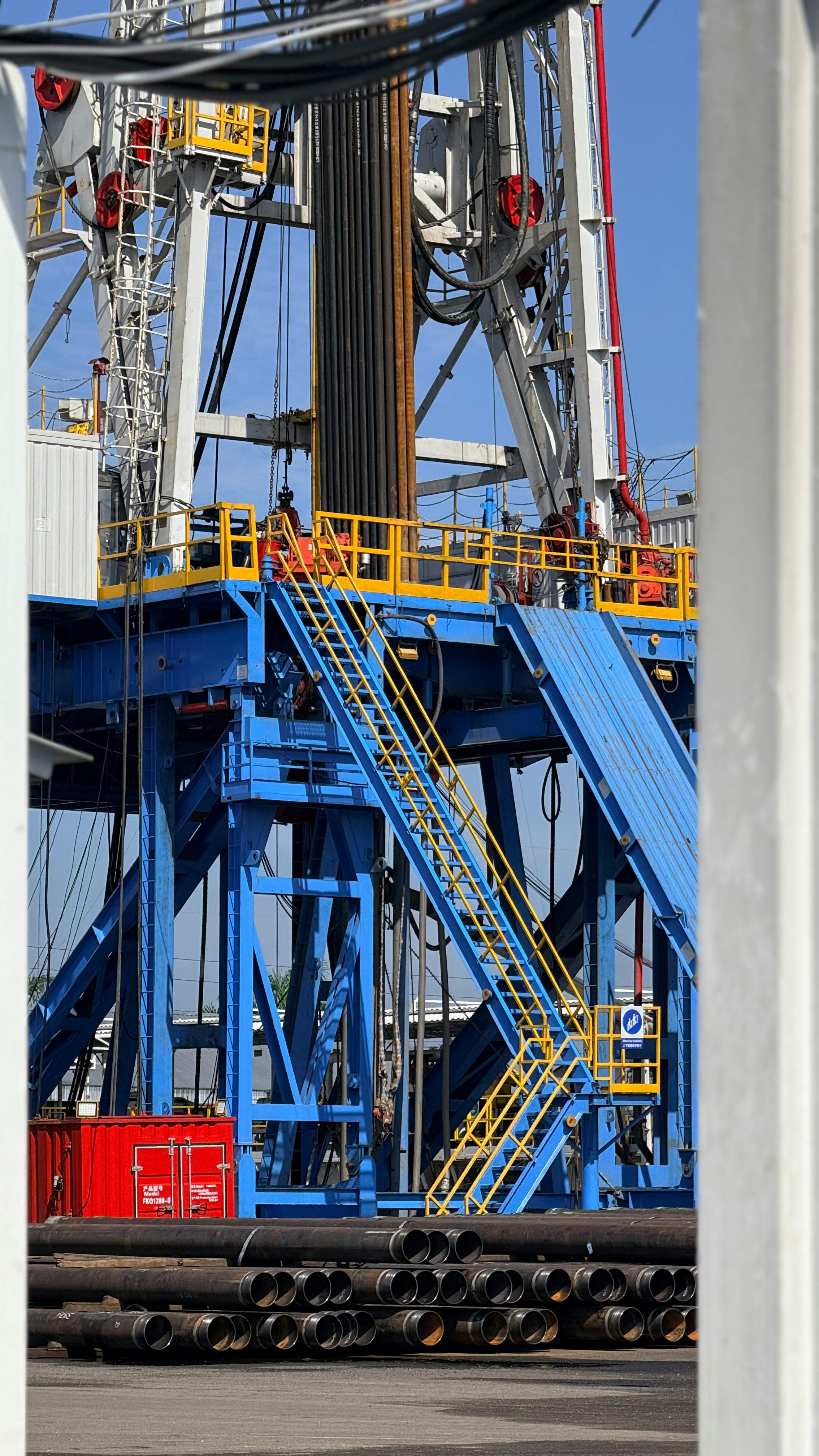
Renaissance Africa Energy, a consortium of indigenous companies, has announced a major oil discovery at its JK-004 exploration well in the Niger Delta region. This find revitalizes a field that has been dormant for approximately six decades. The announcement comes roughly one year after Renaissance Africa Energy successfully completed the acquisition of Shell’s onshore oil assets in Nigeria, a move that has sparked discussions about the capabilities and untapped potential of Nigerian-led energy firms.
WHO ARE THE KEY PLAYERS
- **Renaissance Africa Energy:** A consortium of Nigerian companies focused on oil and gas exploration and production. This group is now at the forefront of reviving previously neglected oil fields.
- **Shell (Royal Dutch Shell plc):** A major multinational oil and gas company that historically held significant onshore assets in Nigeria. The company has been divesting some of its older onshore operations in the country.
- **Nigerian National Petroleum Company (NNPC) Limited:** The national oil company of Nigeria, which often partners with international and indigenous firms in joint ventures for oil exploration and production.
UNDERSTANDING THE LOCATION
The Niger Delta is a vast, oil-rich region in Nigeria, primarily located in the South-South geopolitical zone. It is the heartland of Nigeria's oil and gas industry, accounting for the majority of the country's crude oil production. The region is characterized by a complex network of creeks, rivers, and swamps, which presents unique logistical challenges for exploration and production activities.
BACKGROUND AND CONTEXT
For decades, the Nigerian oil and gas sector has been dominated by international oil companies (IOCs) like Shell. However, in recent years, there has been a concerted push by the Nigerian government to increase the participation and capacity of indigenous companies. This strategy is aimed at fostering local content, creating jobs, and ensuring that more of the sector's benefits remain within Nigeria. The acquisition of Shell's onshore assets by Renaissance Africa Energy is a significant milestone in this direction. The JK-004 well, lying dormant for so long, highlights the possibility that older fields, perhaps deemed less profitable by international standards, might still hold substantial reserves that can be exploited with new technologies and focused local management.
EXPLAINING IMPORTANT REFERENCES
- **Dormant oil field:** This refers to an oil field that was once productive but has been shut down, either due to depletion, economic unviability, technical issues, or strategic decisions by the operating company. The JK-004 well, dormant for nearly 60 years, suggests it was abandoned or put on hold previously.
- **Shell's onshore assets:** These are oil and gas fields, pipelines, and related infrastructure located on land in Nigeria that were owned and operated by Shell. Divestment of these assets often occurs as companies shift focus to deeper offshore operations or other global priorities.
- **Indigenous operators:** In the Nigerian context, this refers to companies that are owned and managed by Nigerians. The government actively promotes indigenous participation to build local capacity and economic empowerment within the critical oil and gas sector.
IMPACT ANALYSIS
This discovery by Renaissance Africa Energy is a significant development for Nigeria's energy sector. It validates the strategy of promoting indigenous operators and suggests that there could be substantial untapped potential in fields previously relinquished by international oil companies. For Renaissance Africa Energy, this success could pave the way for further investment and expansion. It also sends a positive signal to other indigenous firms, potentially attracting more capital and expertise into the sector. Furthermore, a revived oil field could contribute to Nigeria's oil production output, boosting government revenue and supporting economic growth.
WHAT HAPPENS NEXT
Renaissance Africa Energy will likely focus on assessing the full extent of the discovery at the JK-004 well and developing a plan for commercial production. This could involve further drilling, infrastructure development, and securing necessary regulatory approvals. The success might also encourage other indigenous companies to explore similar opportunities in previously overlooked fields. The Nigerian government, through the NNPC Limited, will be watching closely, as this could influence future policies regarding asset divestments and indigenous participation.
HERO PERSPECTIVE
Leverage On Heroes Media views this development as a triumph of Nigerian ingenuity and perseverance. The revival of a sixty-year-old dormant oil field by an indigenous consortium, less than a year after acquiring assets from a global giant, is a powerful testament to the growing capabilities within Nigeria's energy sector. This event underscores our editorial stance that with the right strategic vision, local expertise, and supportive policy environment, Nigerian companies are more than capable of not just participating in, but leading critical sectors of the nation's economy, thereby charting a course for true economic sovereignty.
CLOSING
As Renaissance Africa Energy moves forward with this promising discovery, the nation watches with anticipation, hopeful that this marks the beginning of a new era of indigenous-led growth and prosperity in Nigeria's vital oil industry.