
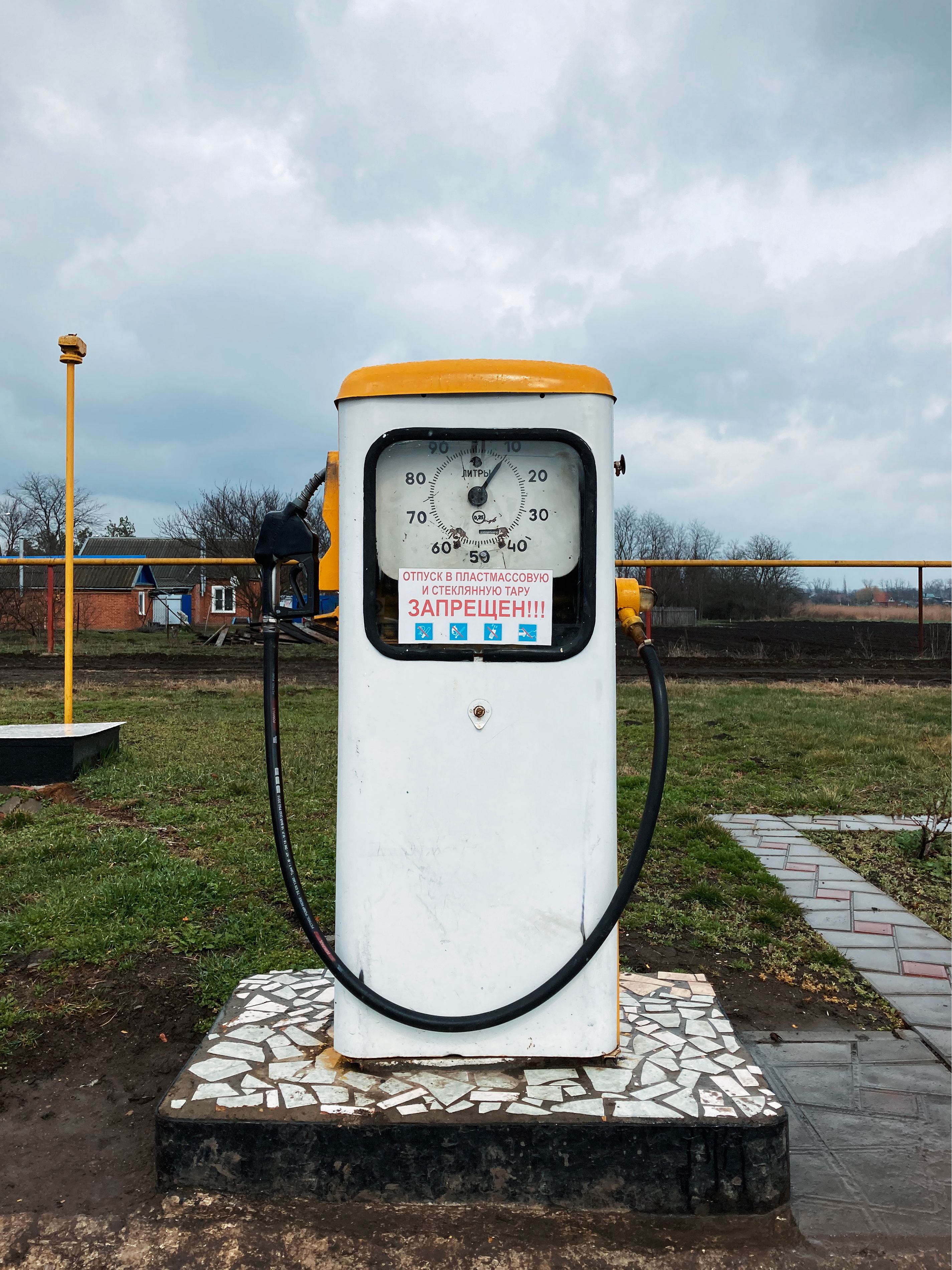
HEADLINE
Russia's Fuel Crisis Deepens: Novosibirsk Urges Remote Work Amid Ukrainian Refinery Strikes
OPENING HOOK
The ripple effects of geopolitical conflict are increasingly felt in the daily lives of ordinary citizens, as Russia grapples with a significant fuel crisis. This situation has escalated to a point where one of its major administrative regions, Novosibirsk, is now officially recommending remote work and reduced vehicular movement, highlighting the severe economic and logistical pressures facing the nation.
WHAT HAPPENED
Authorities in Russia's Novosibirsk region have issued a directive urging residents to adopt remote work arrangements and minimize their use of private vehicles. This unprecedented call comes in response to a deepening fuel crisis that has begun to affect numerous areas across the vast Russian Federation. The crisis is largely attributed to a series of targeted Ukrainian drone strikes on key Russian oil refining facilities, which have significantly disrupted the country's capacity to produce and distribute petrol (Premium Motor Spirit, or PMS) and other petroleum products. A particularly impactful incident involved an attack that rendered a major oil facility in Omsk inoperable, exacerbating existing shortages and leading to widespread fuel rationing across the nation.
WHO ARE THE KEY PLAYERS
**The Russian Federation:** The country whose energy infrastructure is under attack and whose citizens are directly experiencing the fuel shortages and rationing. Its government is responsible for managing the crisis and ensuring national security.
**Novosibirsk Region:** A significant administrative division in Russia, located in southwestern Siberia. It is a key industrial and scientific hub, and its recommendation for remote work underscores the severity of the fuel shortage's impact on local economies and daily life.
**Omsk Region:** Another important Russian administrative region, also in Siberia, home to a major oil refinery that was recently targeted and disabled by Ukrainian forces, directly contributing to the fuel crisis.
**Ukraine:** The nation engaged in an ongoing conflict with Russia. Its military forces are responsible for the drone strikes on Russian oil refineries, which are aimed at disrupting Russia's war economy and logistics.
UNDERSTANDING THE LOCATION
**Novosibirsk** is Russia's third-largest city and the administrative centre of the Siberian Federal District. It is a vital transportation hub, a major industrial centre, and a scientific stronghold. Its geographical location in Siberia means that disruptions to fuel supply can have far-reaching consequences across vast distances, impacting supply chains and general mobility.
**Omsk** is another large city in Siberia, located southwest of Novosibirsk. It hosts one of Russia's largest oil refineries, making it a critical component of the nation's energy infrastructure. The disabling of its refinery directly affects fuel availability not just in Omsk but across a significant portion of European Russia and Siberia, given the interconnected nature of the country's energy grid.
BACKGROUND AND CONTEXT
The current fuel crisis is a direct consequence of the prolonged and escalating conflict between Russia and Ukraine, which began in February 2022. In recent months, Ukraine has intensified its strategy of targeting Russian energy infrastructure, particularly oil refineries, deep within Russian territory. These attacks are widely seen as an attempt to undermine Russia's military capabilities by disrupting its fuel supply for military vehicles and logistics, as well as to inflict economic pain that could pressure the Russian government. Historically, energy resources have been a cornerstone of Russia's economy and geopolitical influence, making these facilities strategic targets in a protracted conflict.
EXPLAINING IMPORTANT REFERENCES
**Fuel Crisis:** This refers to a severe shortage of petrol (Premium Motor Spirit, or PMS), diesel, and other refined petroleum products, leading to difficulties in procurement, increased prices, and disruptions to transportation and economic activities. For an average Nigerian, this would be akin to when petrol queues stretch for kilometres, and transport fares double or triple overnight, making it difficult to even get to work or market.
**Oil Refineries:** These are industrial plants where crude oil, extracted from the ground, is processed and transformed into various usable petroleum products like petrol, diesel, kerosene, aviation fuel, and lubricants. They are complex facilities with intricate machinery, and damage to even a part of them can halt operations for extended periods, impacting an entire supply chain.
**Rationing:** This is a controlled distribution of scarce resources, in this case, fuel. It means that individuals or businesses are allowed to purchase only a limited amount of fuel at a time, often at designated stations or on specific days, to ensure that the available supply lasts longer and is distributed somewhat equitably. This measure is typically implemented during severe shortages to prevent panic buying and ensure essential services can still function.
IMPACT ANALYSIS
The immediate impact of the fuel crisis is a significant disruption to daily life and economic activity in affected Russian regions. For citizens, the call for remote work and reduced car use means altered routines, potential loss of income for those dependent on transportation, and increased costs for essential goods if supply chains are affected. Economically, the reduced availability of fuel can hamper industrial output, agricultural activities, and the movement of goods, potentially leading to inflation and slower economic growth. Politically, the crisis could test public patience and support for the ongoing conflict, as the direct consequences are felt more acutely by the populace. Furthermore, it highlights the vulnerability of critical infrastructure in modern warfare, demonstrating how non-conventional tactics can inflict substantial logistical and economic damage.
WHAT HAPPENS NEXT
Looking ahead, the situation presents several critical junctures. The Russian government will likely intensify efforts to repair damaged refineries and bolster air defences around key energy infrastructure to prevent further attacks. However, the scale and frequency of Ukrainian drone strikes suggest that immediate solutions might be challenging. We could see continued fuel rationing and potentially more regions adopting measures similar to Novosibirsk. The long-term implications include potential shifts in Russia's energy export capabilities and a re-evaluation of its domestic energy security strategies. For Ukraine, continued successful strikes could be a significant leverage point, though they also risk escalation of the conflict. The global energy market will also be watching closely, as disruptions to a major oil producer like Russia can have wider price implications, affecting countries like Nigeria that are both producers and consumers of refined products.
HERO PERSPECTIVE
At Leverage On Heroes Media, our editorial lens focuses on the human cost of geopolitical manoeuvring. The crisis unfolding in Russia, with citizens being asked to work from home due to fuel shortages, is a stark reminder that conflicts, no matter how distant, invariably touch the lives of ordinary people. It underscores the fragility of modern infrastructure when caught in the crosshairs of war and the resilience required from communities navigating such disruptions. We highlight the need for global leaders to prioritize diplomatic solutions that prevent such widespread suffering, ensuring that the pursuit of strategic objectives does not disproportionately burden the everyday citizen struggling to live a normal life.
CLOSING
The fuel crisis in Russia, exacerbated by targeted strikes on its oil infrastructure, presents a complex challenge with far-reaching implications. As the Novosibirsk region adapts to these new realities, the world watches to see how Russia will navigate these significant domestic pressures while its conflict with Ukraine continues to unfold, underscoring the profound impact of warfare on civilian life and national economies.