
HEADLINE
Truck Crash at Kara Bridge Triggers Massive Lagos-Ibadan Expressway Gridlock
OPENING HOOK
For thousands of commuters rushing to beat the morning rush hour, a routine trip across the boundary between Lagos and Ogun states quickly turned into an endurance test following a sudden road obstruction.
WHAT HAPPENED
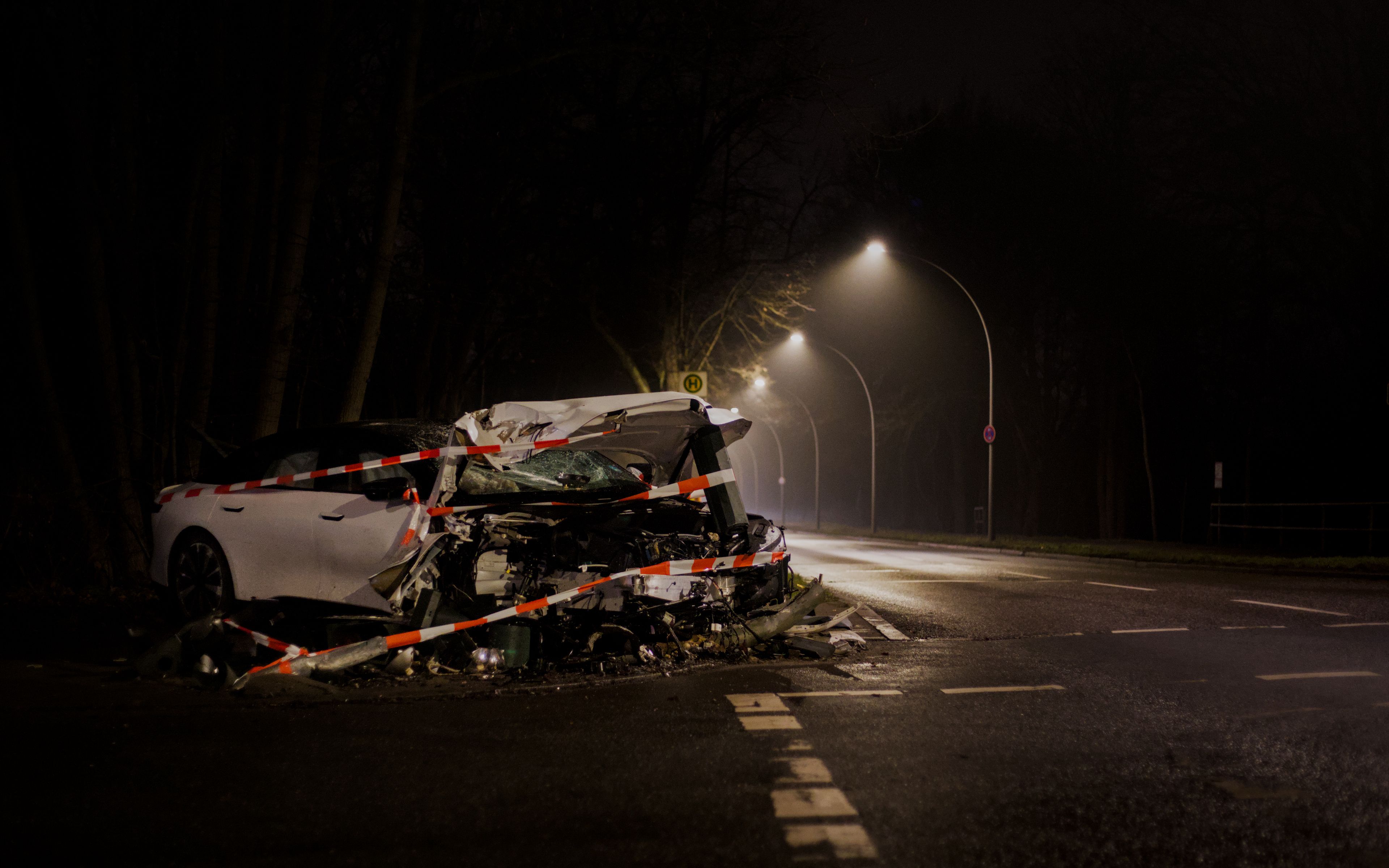
A heavy-duty cargo truck crashed near the heavily populated Kara Bridge section along the Lagos-Ibadan Expressway, blocking major lanes and bringing vehicular movement to a complete halt. Motorists, commercial bus drivers, and office workers found themselves stranded for hours under the scorching sun as traffic backed up for kilometers, crippling economic activities tied to this vital national transit artery.
WHO ARE THE KEY PLAYERS
The incident directly involved the driver and owners of the crashed commercial truck, whose identities remain unconfirmed. Emergency responders, including personnel from the Federal Road Safety Corps (FRSC), which is the federal agency responsible for highway safety and traffic management in Nigeria, alongside traffic management authorities from Lagos and Ogun states, deployed teams to clear the wreckage and restore order.
UNDERSTANDING THE LOCATION
The Kara Bridge is a critical infrastructure bottleneck located on the Lagos-Ibadan Expressway, serving as the primary gateway connecting Lagos State, Nigeria's commercial capital, to Ogun State and the rest of the country's geopolitical zones. It handles hundreds of thousands of heavy trucks and private vehicles daily, making any obstruction here an immediate regional crisis.
BACKGROUND AND CONTEXT
The Lagos-Ibadan Expressway is Nigeria's busiest interstate highway, facilitating the movement of goods, fuel, and people from the seaports in Lagos to the northern parts of the country. Over the years, the route has experienced heavy vehicular congestion due to a combination of rising freight volumes, aging transport fleets, and frequent breakdowns of articulated vehicles carrying heavy loads.
EXPLAINING IMPORTANT REFERENCES
In traffic management terms, a gridlock refers to a severe traffic jam where a network of intersecting streets becomes completely blocked, preventing any movement. In Nigeria, such gridlocks frequently translate to wasted man-hours, missed business appointments, and a sharp spike in transport fares for ordinary citizens trying to navigate between suburbs like Arepo, Magboro, and the Lagos metropolis.
IMPACT ANALYSIS
Beyond the immediate frustration faced by stranded commuters, transport disruptions of this scale inflict significant financial losses on traders and businesses relying on prompt delivery of perishable goods. The backlog also places immense pressure on alternative local routes, causing secondary traffic lockups within neighboring communities.
WHAT HAPPENS NEXT
Recovery teams are expected to complete the towing of the damaged truck and clear spilled debris from the asphalt to fully open the affected lanes. Transport authorities will likely face renewed calls to enforce stricter safety standards and maintenance checks on heavy-duty trucks operating on major federal highways.
HERO PERSPECTIVE
At Leverage On Heroes Media, our editorial angle focuses on the resilience of ordinary Nigerian commuters and the urgent need for proactive infrastructure management. We spotlight how routine accidents expose deeper systemic vulnerabilities in our transport network, advocating for swift emergency response systems and accountable fleet management to protect citizens on the road.
CLOSING
As traffic gradually clears and normalcy returns to the expressway, the incident serves as a stark reminder of the delicate balance governing Nigeria's major transport corridors and the daily sacrifices made by the working class.